Are hidden mold fees and unrealistic minimum order quantities killing your custom spirit bottle project before it even starts? When launching a premium liquor brand, packaging is your most critical physical touchpoint — yet the cost structure of custom glass manufacturing is rarely explained clearly. This guide breaks down every pricing component you will encounter, demystifies MOQ requirements, and provides practical strategies to protect your sourcing budget without compromising on quality.
- Custom molds for liquor bottles typically cost between $1,500 and $3,000 depending on shape complexity and embossing detail.
- Per-bottle unit price is primarily driven by glass weight, material grade (high flint vs. super flint), and total order volume.
- Most reputable Chinese glass manufacturers require a minimum order of 10,000 to 20,000 pieces for fully custom designs.
- Consolidating surface decoration (frosting, silk screening, hot stamping) with your glass producer can reduce total project costs by up to 15%.
The True Cost Breakdown of Custom Liquor Bottles
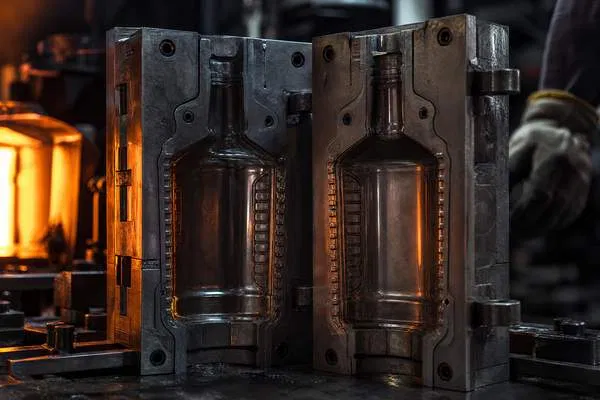
Mold Development Fees. A standard custom mold for a liquor bottle costs between $1,500 and $3,000, and this is the first financial commitment in any custom project. The mold is a precision-machined steel tool that defines the exact shape of your bottle. A straightforward cylindrical or square design with minimal surface detail sits at the lower end of this range. However, if your design features deep 3D embossing, an asymmetric silhouette, or a heavy punt (the indentation at the base of premium bottles), the engineering complexity increases substantially — and so does the mold price. It is worth noting that this fee is typically a one-time investment: once the mold is paid for and approved, it belongs to you and can be used for multiple production runs.
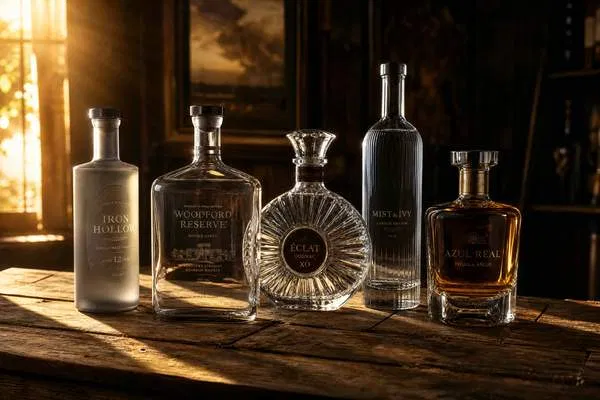
Unit Pricing Factors. The per-bottle unit cost is determined by four variables: glass weight, material grade, decoration complexity, and order volume. Heavyweight bottles — often favored by premium whiskey, tequila, and cognac brands to convey luxury and substance — require more raw material and longer annealing (cooling) time in the lehr furnace, which raises the unit cost. Material grade is another key variable: “super flint” glass, which offers near-crystal clarity and is the standard for high-end spirits, commands a premium over standard “high flint” glass. As a general benchmark, a standard 750ml high-flint spirit bottle with no decoration might cost $0.45–$0.70 per unit at 20,000 pieces, while a heavyweight super-flint bottle with frosting and silk screening could reach $1.20–$1.80 per unit at the same volume.
MOQ Tiers: What to Expect from Glass Manufacturers
Why MOQs Exist. Most reputable glass manufacturers set a minimum order quantity of 10,000 to 20,000 pieces for custom designs, and this requirement is rooted in the economics of glass production. Heating a furnace to the required 1,400–1,600°C, calibrating the IS (Individual Section) machine, and running quality checks for a new mold takes significant time and energy. Running the machine for fewer than 10,000 units rarely justifies these fixed setup costs. For highly complex super-flint bottles, some manufacturers may negotiate down to 10,000 pieces; for standard designs, 20,000 is a common floor. Buyers who cannot meet these minimums are often directed toward stock bottle programs, which carry no mold fee and lower MOQs of 3,000 to 5,000 pieces.
A Glimpse into Glass History: Before the invention of the automated Individual Section (IS) machine by Michael Owens in the early 1900s, every glass bottle was hand-blown by skilled artisans — a process that made true standardization impossible and kept production volumes extremely low. Today, a single IS machine can produce 200 to 400 identical bottles per minute, which is precisely why modern factories require high MOQs to justify the setup time and energy cost of switching between mold configurations.[1]
How to Optimize Your Sourcing Budget
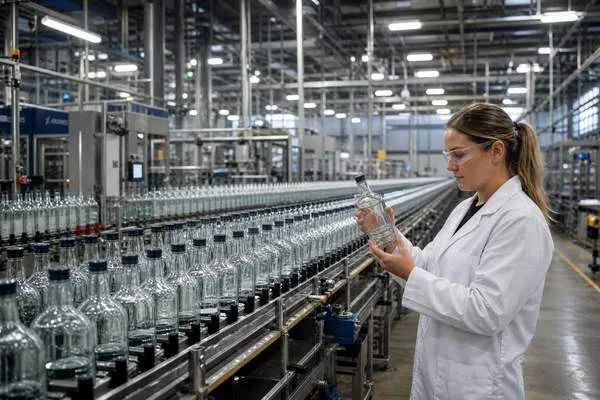
Consolidate Decoration and Production. Managing molding, frosting, and printing under one roof can reduce total project costs by up to 15% and eliminates the transit damage risk that comes with shipping bare glass to a secondary decoration facility. For a broader view of how supply chain consolidation is reshaping the glass packaging industry, see our analysis: Glass Packaging Supply Chain Consolidation: What Major M&A Means for Liquor Brands. Many brands make the mistake of sourcing blank bottles from one factory and shipping them to a separate supplier for silk screening or frosting. This approach adds freight costs, increases breakage risk, and complicates quality accountability. A comprehensive supplier who handles the full production chain — from mold to decorated bottle — simplifies logistics and gives you a single point of contact for any quality issues.
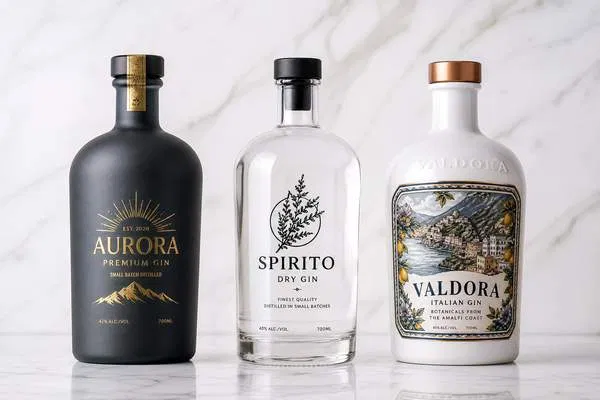
Stock Bottle + Custom Decoration as a Market-Entry Strategy. For brands entering the market for the first time or testing a new product line, starting with a stock wine or spirit bottle and investing in custom surface decoration is a cost-effective alternative to a full custom mold. This approach eliminates the $1,500–$3,000 mold fee, reduces the MOQ to as low as 3,000–5,000 pieces, and still allows for a distinctive brand appearance through frosting, silk-screened logos, or custom labels. Once the brand gains market traction and volumes increase, transitioning to a fully custom mold becomes a more financially justified decision.
| Dimension | Fully Custom Mold | Stock Bottle + Custom Decor |
|---|---|---|
| Mold Cost | $1,500 – $3,000 (one-time) | $0 |
| Typical MOQ | 10,000 – 20,000 pcs | 3,000 – 5,000 pcs |
| Unit Price (750ml, no decor) | $0.45 – $1.80 depending on weight & grade | $0.35 – $0.60 (standard flint) |
| Brand Differentiation | High — unique shape, embossing, punt design | Medium — differentiated by decoration only |
| Lead Time (first order) | 60 – 90 days (includes mold development) | 30 – 45 days |
| Best For | Established brands needing a signature shape | Startups or new SKUs testing the market |
Conclusion: Budgeting for Custom Packaging with Confidence
Understanding the full cost structure of custom liquor bottles — from mold development fees and material grade premiums to MOQ thresholds and decoration options — is the foundation of a sound sourcing strategy. The most common mistake buyers make is focusing only on the per-unit price without accounting for mold fees, decoration costs, and lead times. By mapping out the total cost of ownership before placing an order, and by choosing a supplier who can consolidate the full production chain, you can launch a premium packaging program that protects your margins and delivers the brand experience your customers expect.
If you are planning a custom spirit bottle project and would like a transparent cost breakdown based on your specific design requirements, we would be glad to walk you through the options. Contact us at sales@glassypack.com or visit our Contact Us page to share your brief and receive a detailed quote.
FAQ
How long does it take to develop a custom glass bottle mold?
Developing a custom mold typically takes 20 to 30 days. This includes creating the 3D technical drawings, producing a trial mold for sample approval, and manufacturing the full production mold set. The total lead time from order confirmation to first delivery is usually 60 to 90 days for fully custom designs.
Do I own the mold after paying the development fee?
Yes. When you pay the mold development fee, the mold belongs to you. Reputable manufacturers will sign a non-disclosure agreement (NDA) and guarantee that your custom mold will not be used for any other client’s orders.
Is it cheaper to use a stock bottle instead of a custom mold?
Yes, in the short term. Using a stock bottle eliminates the $1,500–$3,000 mold fee and allows for lower MOQs of 3,000–5,000 pieces. You can still achieve a distinctive brand look through custom surface decorations such as silk screening, acid frosting, or hot stamping.
What is the difference between high flint and super flint glass?
High flint glass is the standard clear glass used in most commercial spirit bottles. Super flint glass has a higher silica content and stricter raw material specifications, resulting in near-crystal clarity with minimal green or blue tint. Super flint is the preferred choice for premium vodka, gin, and tequila brands where visual clarity is part of the product story.
Do heavier glass bottles cost significantly more to ship?
Yes. Glass weight directly impacts international freight costs, particularly for ocean shipping where charges are calculated by weight or volume. A heavyweight 750ml bottle (600–700g) will cost noticeably more to ship per unit than a lightweight design (350–450g). Brands should factor this into their total landed cost calculations when choosing between bottle weights.[2]
Can I get a sample bottle before committing to the full MOQ?
Yes. Manufacturers typically produce a small number of sample bottles from a trial mold for your review and approval before proceeding with the mass production run. Sample fees vary by factory but are usually credited against the first production order.
What surface decorations can be applied to custom liquor bottles?
Common decoration techniques include acid frosting (matte finish), silk screen printing (up to 4 colors), hot stamping (gold or silver foil), ceramic labeling (full-color fired-on decoration), and embossing (raised patterns in the glass itself). Each technique has different cost implications and minimum quantity requirements.
References
[1] Glass Packaging Institute. Facts About Glass. https://www.gpi.org/facts-about-glass
[2] Owens-Illinois (O-I). Sustainability. https://www.o-i.com/sustainability/