
Are your liquor bottle suppliers getting swallowed up by industry giants? The global glass packaging supply chain is undergoing a significant wave of consolidation. Major players have been aggressively acquiring regional bottle manufacturers across the UK and the US, fundamentally shifting how packaging is distributed and priced [1]. For mid-sized and premium liquor brands, this trend presents a critical turning point. While working with a massive conglomerate might seem like a safe bet, the reality of a consolidated market often means less flexibility, higher minimum order quantities (MOQs), and a loss of personalized service. This article breaks down the recent mergers and acquisitions (M&A) reshaping the glass packaging sector and explains why direct sourcing from independent manufacturers is becoming the defining strategy for supply chain resilience.

The M&A Wave Reshaping Glass Packaging
The Drive for Global Scale. The recent acquisitions by industry titans like Berlin Packaging highlight a clear strategic logic: buying up regional distributors and manufacturers to create massive, centralized supply networks. These conglomerates aim to offer a “one-stop-shop” experience, combining rigid packaging, closures, and logistics under a single corporate umbrella. For the acquiring companies, this means enhanced global scale, broader product portfolios, and tighter control over regional markets in Europe and North America. The appeal to investors is obvious — consolidated market share, reduced competition, and predictable revenue streams.
The Double-Edged Sword for Buyers. On the surface, a consolidated supplier network promises streamlined operations. However, for independent liquor brands, this consolidation often acts as a double-edged sword. When a beloved local distributor is absorbed into a global giant, the operational dynamics shift immediately. Procurement managers frequently report that the highly responsive, consultative service they once enjoyed is replaced by rigid corporate protocols and standardized account management. More importantly, as competition decreases in the middle tier of the market, these newly formed mega-suppliers gain disproportionate pricing power, leaving smaller spirit brands with considerably less leverage during contract negotiations.

The Hidden Risks of a Consolidated Supply Chain
Loss of Customization and Flexibility. Premium liquor brands differentiate themselves through unique, bespoke packaging — think heavy flint glass, intricate embossing, and custom neck finishes. Mega-suppliers, driven by the need to maximize efficiency across massive production volumes, consistently prioritize standardized, off-the-shelf catalog bottles. If your brand requires a highly customized spirit bottle mold, you may find that consolidated suppliers impose exorbitant tooling costs or refuse the project entirely unless it meets massive volume thresholds. The agility to quickly pivot designs or launch limited-edition seasonal bottles is severely compromised when dealing with a bureaucratic corporate structure that must route every decision through multiple approval layers.
A Glimpse into Supply Chain History: The dangers of over-reliance on consolidated, single-region mega-suppliers are well-documented. During the global shipping disruptions of the early 2020s, brands locked into rigid corporate contracts found themselves paralyzed by months-long stockouts. Unlike smaller, agile suppliers who could reroute shipments or rapidly shift production, the massive logistics machinery of conglomerates proved slow to adapt — a lesson that many procurement teams are still applying to their sourcing strategies today.
The Middleman Premium. Many of the companies driving this M&A wave are fundamentally packaging distributors rather than direct manufacturers. They source glass from factories globally, add their margin, and sell it to the end brand. When these distributors consolidate, the “middleman premium” often increases. Brands end up paying for the distributor’s newly acquired overhead, marketing spend, and corporate infrastructure. In an era where raw material costs and freight rates are already volatile, absorbing an unnecessary markup on every empty bottle can significantly erode a liquor brand’s profit margins — costs that are ultimately passed on to the consumer or absorbed by the brand itself.
Direct Sourcing: The Antidote to Volatility
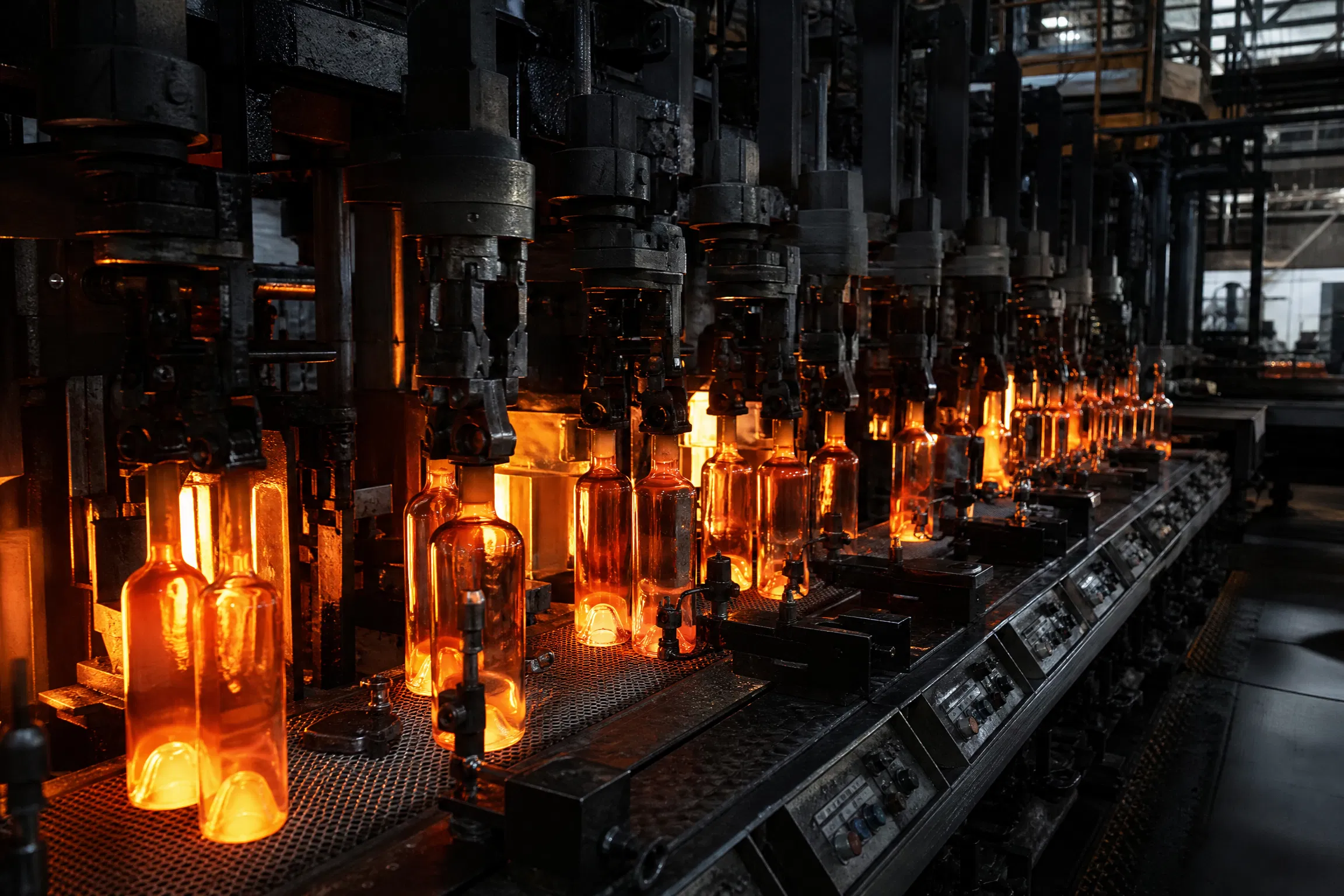
Bypassing the Corporate Bottleneck. As the middle market of distributors consolidates, savvy liquor brands are realizing that the most effective way to secure their supply chain is to go direct to the source. Partnering directly with high-quality, independent glass manufacturers — particularly those in established manufacturing hubs — eliminates the distributor markup entirely and restores direct, transparent communication. Direct sourcing allows brands to speak straight to the engineers and mold designers, ensuring that complex custom bottle designs are executed precisely without getting lost in translation through a third-party account manager who may have limited technical knowledge of glass production.
Balancing Cost and Quality. Direct manufacturers are inherently more flexible. Without the pressure to push a specific corporate catalog or meet quarterly revenue targets, independent factories are often more willing to work with brands on custom tooling at reasonable costs and offer more manageable Minimum Order Quantities (MOQs). This direct relationship fosters a true partnership dynamic rather than a mere transactional vendor arrangement — one where the manufacturer has a genuine stake in the brand’s success and packaging quality.
| Dimension | Consolidated Mega-Distributor | Direct Independent Manufacturer |
|---|---|---|
| Pricing Structure | Includes distributor markup + corporate overhead | Factory-direct, transparent cost breakdown |
| Customization Agility | Low; prefers standardized catalog items with high MOQs | High; built for bespoke molds and unique designs |
| Communication | Filtered through corporate account reps | Direct access to production engineers and QC team |
| Supply Chain Risk | Concentrated; single point of failure in disruptions | Diversified; easier to build multi-source strategy |
| Minimum Order Qty | Typically high; less flexibility for emerging brands | Negotiable; more accommodating for growth-stage brands |
Conclusion: Securing Your Brand’s Packaging Future
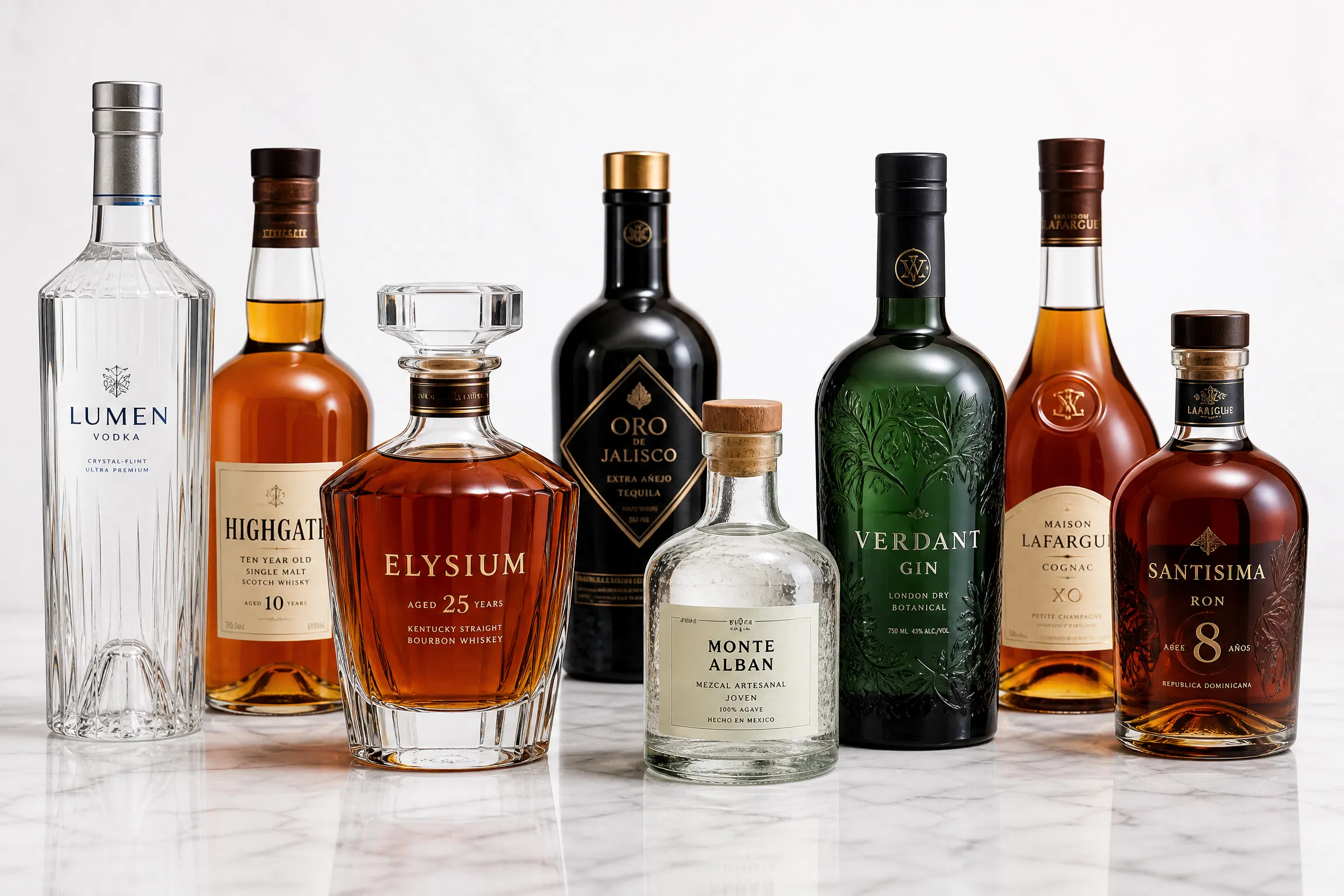
The ongoing M&A activity in the glass packaging industry is creating a landscape dominated by a few massive players. While this works well for generic, high-volume commodities, premium liquor brands that rely on distinct packaging to tell their story must be cautious. Relying solely on a consolidated distributor network often means sacrificing the agility, customization, and cost-efficiency required to stay competitive in a crowded market. By building a direct-sourcing model — or at minimum diversifying procurement channels to include direct manufacturers — brands can reclaim control over their packaging destiny, ensuring they get exactly the bottle they need, precisely when they need it, without paying a premium for corporate overhead.
If you are evaluating your glass bottle sourcing strategy and want to understand what factory-direct procurement looks like in practice, we would be glad to walk you through GlassyPack’s process — from custom mold design to quality control and export logistics. Feel free to reach out at sales@glassypack.com or visit our Contact Us page to start a conversation.
References
[1] Global Drinks Intel. (2026, June 12). Berlin Packaging makes M&A one-two. https://drinks-intel.com/news/berlin-packaging-makes-ma-one-two/