- Plastisol-lined metal closures are non-negotiable for pickle jars, as standard caps will corrode rapidly under high acidity.
- Wide-mouth jar designs (70mm+) are essential for industrial filling efficiency and optimal consumer experience.
- The impending 2026 EU BPA ban requires all food brands to verify their glass jar lid linings are 100% BPA-free.
- Standardized lug caps (twist-off) provide the best balance of high-speed automation and reliable vacuum sealing for bulk production.
Are your current pickle jars secretly compromising your product’s shelf life and brand reputation? When packaging highly acidic fermented foods, the glass jar is only half the equation; the closure system and dimensional specifications are where most brands fail. A poor choice in lid lining or neck finish can lead to rust, leakage, and catastrophic product spoilage. This comprehensive B2B guide breaks down the critical technical requirements for sourcing glass pickle jars, focusing on acid resistance, optimal sizing, and seal integrity to ensure your products reach consumers safely and efficiently.
The Acid Test: Why Closure Systems Make or Break Pickled Products
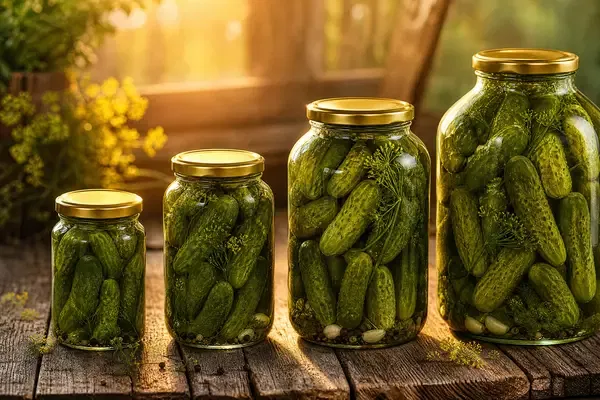
The Corrosive Nature of Brine. The defining characteristic of pickled and fermented foods is their high acidity, typically maintained at a pH below 4.6 to prevent the growth of harmful bacteria like Clostridium botulinum [1]. While glass itself is entirely inert and impervious to this acidic environment, the metal closures used to seal the jars are highly vulnerable. If the acidic brine comes into direct contact with a standard tinplate or steel lid, it will rapidly induce oxidation (rust). This corrosion not only ruins the visual appeal of the packaging but can also compromise the vacuum seal, leading to spoilage and potential health hazards.
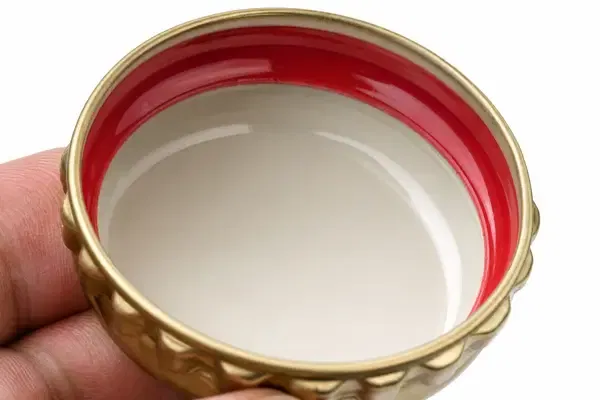
The Plastisol Solution. To combat this, the industry standard for pickle jar closures is the plastisol-lined lug cap. Plastisol is a PVC-based suspension that, when heated during the capping and processing stages, softens and molds perfectly to the glass rim, creating a hermetic vacuum seal. More importantly, the entire interior surface of the metal cap must be coated with an acid-resistant lacquer or enamel. This protective barrier prevents the brine from ever touching the raw metal. When sourcing closures, buyers must explicitly specify “acid-resistant” or “high-acid” linings, as standard linings used for low-acid foods (like honey or dry goods) will fail under the stress of vinegar or lactic acid.
Regulatory Compliance and the BPA Shift. Beyond functional resistance, the chemical composition of these linings is under intense regulatory scrutiny. With the comprehensive [2] EU ban on Bisphenol A (BPA) in food contact materials taking full effect in 2026, brands exporting to or operating within Europe must ensure their plastisol linings and internal lacquers are certified BPA-NI (Bisphenol A Non-Intent). Failing to verify this compliance can result in severe supply chain disruptions and product recalls. Glass packaging remains the safest primary material, as it requires no internal chemical coatings [3].
The Anatomy of a Perfect Pickle Jar: Wide Mouths and Optimal Capacities
The Necessity of the Wide Mouth. The physical dimensions of a pickle jar dictate both manufacturing efficiency and consumer satisfaction. For pickled cucumbers, spears, or large vegetable chunks, a wide-mouth finish (typically 70mm or larger, such as TO70 or TO82) is non-negotiable. From a production standpoint, a wide opening allows for high-speed automated filling without jamming or damaging the product. From the consumer’s perspective, it provides easy access to retrieve the contents without struggling or requiring specialized utensils.
Strategic Capacity Sizing. Selecting the right jar capacity is crucial for targeting specific market segments. A 250ml to 300ml jar is ideal for premium, artisanal, or single-person households, offering a lower price point and faster turnover. The 500ml (approx. 16oz) size is the industry standard for retail grocery shelves, providing a perfect balance of volume and footprint. For bulk retail, club stores, or food service applications, larger formats ranging from 1000ml (32oz) to 2000ml (64oz) are required. Consistency in the neck finish across different capacities (e.g., using a TO82 cap for both 500ml and 1000ml jars) can significantly streamline capping machinery setups and inventory management.
Shape and Display Considerations. While the classic straight-sided cylindrical jar maximizes label space and offers a clean, modern aesthetic, the traditional tapered or “barrel” shape remains popular for its nostalgic appeal and structural strength. Straight-sided jars are generally easier to pack efficiently into shipping cartons, reducing dead space and optimizing freight costs. When choosing a shape, consider how the product will visually stack on retail shelves and how the jar’s geometry will interact with automated labeling equipment.
A Glimpse into Glass History: The concept of sealing food in glass jars using heat was pioneered by Nicolas Appert in 1809, long before the invention of the [4] Mason jar. Appert’s method involved placing food in thick glass bottles, sealing them with cork and wax, and boiling them in water. His discovery laid the foundational science for modern thermal processing and the vacuum-sealed glass packaging we rely on today.
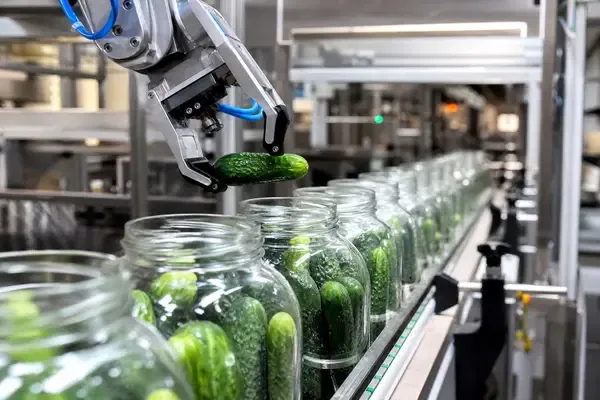
Lug Caps vs. Mason Lids: Choosing the Right Closure for Scale
The Twist-Off Advantage. For commercial bulk packaging, the standard twist-off lug cap is vastly superior to the traditional two-piece Mason jar lid. As detailed in our comparison of Mason Jars vs. Lug Cap Jars, the interrupted thread design of a lug cap requires only a quarter-turn to secure. This simplicity allows for incredibly high-speed automated capping on modern production lines, drastically reducing labor costs and increasing throughput compared to the complex application required for continuous thread bands.
Vacuum Seal Verification. Lug caps also provide built-in quality assurance through the “button” or “safety seal” feature. During the hot-fill or pasteurization process, the cooling product creates a vacuum that pulls the center of the cap downward. This depressed button provides visual and tactile confirmation to both the manufacturer and the consumer that the hermetic seal is intact and the product has not been tampered with. If the button clicks when pressed before opening, the seal has failed.
Cost Efficiency and Standardization. Standardized lug finishes (such as the ubiquitous TO series) benefit from massive economies of scale. Because these closures are used across various food categories, from honey and jam jars to pasta sauces, they are readily available from multiple suppliers at competitive prices. This standardization reduces supply chain risk and ensures that food brands can maintain continuous production even during localized material shortages [5].
| Feature | Standard Lug Cap (Twist-Off) | Two-Piece Mason Lid |
|---|---|---|
| Automation Speed | Very High (Industry standard) | Low (Requires complex machinery) |
| Acid Resistance | Excellent (With specific high-acid lacquers) | Good (Dependent on lid coating) |
| Consumer Resealability | Excellent (Simple quarter-turn) | Moderate (Requires handling two pieces) |
| Tamper Evidence | Built-in safety button | Visual inspection of flat lid curve |
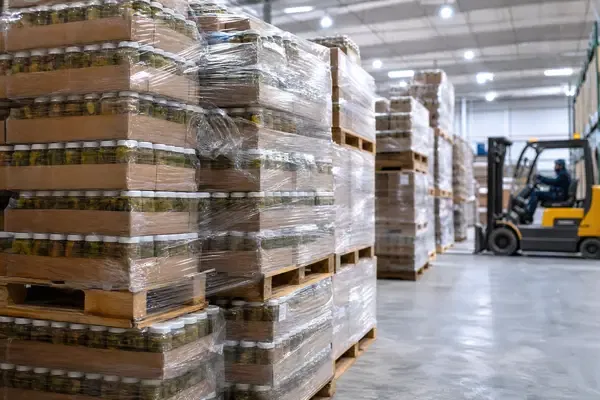
Conclusion: Securing Your Supply Chain with the Right Glass Partner
Choosing the correct glass pickle jar is a strategic decision that impacts product safety, production efficiency, and regulatory compliance. By prioritizing wide-mouth designs, standardizing on lug cap finishes, and rigorously verifying the acid resistance and BPA-free status of your closures, you can protect your brand and scale your operations with confidence.
If you are a food manufacturer seeking reliable, high-quality glass packaging that meets stringent international standards, we would be glad to share how GlassyPack can support your production goals. Contact us today at sales@glassypack.com or visit our Contact Us page to request samples and technical specifications for our premium glass pickle jars.
FAQ
Why do pickle jar lids rust?
Pickle jar lids rust when the highly acidic brine (vinegar or lactic acid) comes into contact with the raw metal of the cap. This usually happens if the protective lacquer coating on the inside of the lid is scratched, defective, or not specifically formulated for high-acid environments.
What is a plastisol liner?
Plastisol is a PVC-based compound used as a sealing ring inside metal lug caps. When heated during the filling or pasteurization process, it softens and conforms to the glass rim. As it cools, it hardens slightly, creating an airtight vacuum seal.
Are GlassyPack’s pickle jar lids BPA-free?
Yes, to comply with the upcoming 2026 EU regulations and global safety standards, high-quality commercial glass packaging suppliers ensure their closure linings and lacquers are certified BPA-NI (Bisphenol A Non-Intent).
What does TO70 or TO82 mean?
These designations refer to the neck finish of the jar and the corresponding cap size. “TO” stands for Twist-Off (lug cap), and the number (e.g., 70 or 82) represents the approximate outer diameter of the jar’s neck threads in millimeters.
Can I use standard honey jars for pickles?
While the glass jar itself may be identical, you cannot use the same lids. Honey is a low-acid food, so its lids use standard lacquers. Pickles require caps with specialized acid-resistant internal coatings to prevent corrosion.
References
[1] Wikipedia. (n.d.). Pickling. https://en.wikipedia.org/wiki/Pickling
[2] DW. (2026). EU ban on BPA chemical in food packaging takes effect. https://www.dw.com/en/eu-ban-on-bpa-chemical-in-food-packaging-takes-effect/a-77630680
[3] U.S. Food and Drug Administration. (n.d.). Packaging & Food Contact Substances. https://www.fda.gov/food/food-ingredients-packaging
[4] Wikipedia. (n.d.). Mason jar. https://en.wikipedia.org/wiki/Mason_jar
[5] Glass Packaging Institute. (n.d.). Facts About Glass. https://www.gpi.org/facts-about-glass