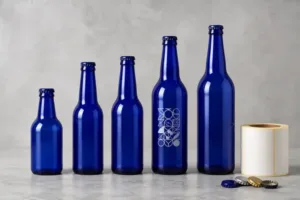
Are your current food containers compliant with the upcoming EU BPA ban? Starting July 2026, any food packaging containing BPA—including can linings, hard plastic jars, and lunchboxes—will be banned from EU shelves. For honey and jam brands selling into Europe, the window to act is closing fast. This article breaks down the new regulations and explains why transitioning to glass packaging is the most reliable strategy to secure your market access.
- The EU BPA ban takes effect July 2026, covering all food-contact packaging including can coatings and polycarbonate plastics.
- “BPA-free” plastic alternatives like BPS carry similar hormonal risks and may face future regulatory bans.
- Glass is inherently inert—it contains no chemical additives and will never leach into food, regardless of regulation changes.
- Switching to glass jars now protects both EU market access and long-term brand reputation.
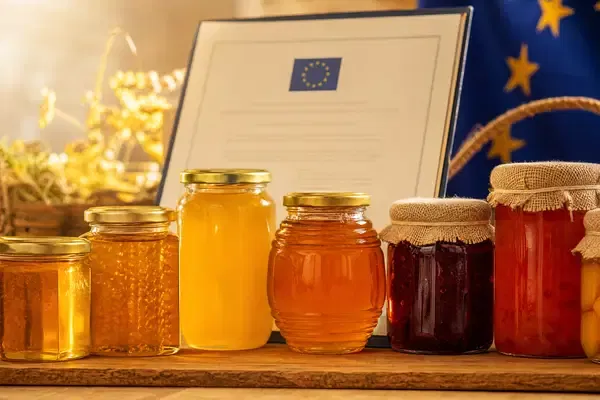
Understanding the 2026 EU BPA Ban — What It Covers and What It Doesn’t
The European Union’s comprehensive ban on Bisphenol A (BPA) in food contact materials marks a historic shift in packaging regulations. Driven by the European Food Safety Authority’s (EFSA) drastic reduction of the tolerable daily intake for BPA—lowered by a factor of 20,000—the European Commission has finalized rules that will phase out the chemical by the end of 2026 [1]. This legislation directly impacts epoxy resins used to line metal cans and polycarbonate plastics commonly used for rigid food containers.
While there are transition periods for certain specialized packaging, such as acidic food cans which have until 2028, the core mandate requires immediate action from food brands. Any new honey or jam product launched into the EU market must comply with these stringent zero-BPA standards. The ban is not merely a recommendation; it is a hard deadline that will dictate which products remain on European supermarket shelves.
For procurement managers, this means an urgent audit of existing packaging suppliers. If your current plastic jars or metal lids rely on BPA-based coatings to prevent corrosion or maintain structural integrity, your supply chain is currently at risk. The shift requires moving away from legacy materials and adopting packaging solutions that inherently meet these new safety thresholds.
The Hidden Risk of “BPA-Free” Plastics — Why Switching Plastics Isn’t Enough
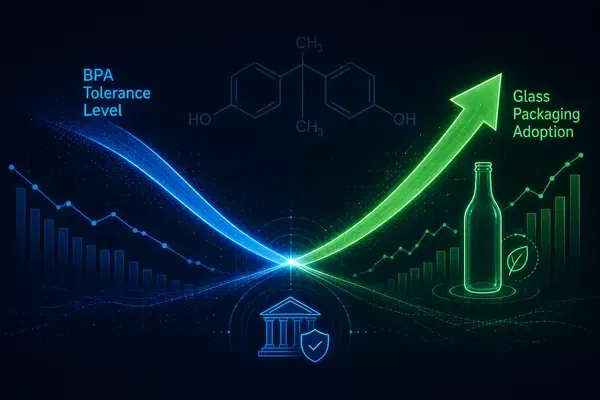
Replacing BPA with alternative bisphenols like BPS or BPF only delays the regulatory inevitable while risking consumer trust. Many food brands initially reacted to BPA concerns by adopting “BPA-Free” plastics. However, recent scientific studies have demonstrated that these substitute chemicals exhibit similar endocrine-disrupting properties. As regulatory bodies like the European Chemicals Agency (ECHA) continue to evaluate these alternatives, it is highly probable that BPS and BPF will face similar restrictions in the near future.
Beyond the legal compliance aspect, the public relations risk is immense. Consumers are increasingly educated about chemical leaching in food packaging. A brand caught substituting one harmful chemical for a lesser-known but equally problematic alternative risks severe reputational damage. When consumers purchase premium products like organic honey or artisan jam, they expect the packaging to reflect the purity of the ingredients inside.
This creates a critical dilemma for food manufacturers. Investing capital into retooling production lines for a new type of plastic that might be banned in three years is financially unsound. Brands need a packaging material that completely removes the bisphenol conversation from the equation, offering a permanent, future-proof solution. This is partly why we are seeing a broader trend where food brands are pivoting to glass as plastic costs and regulatory burdens surge.
The Reality of Chemical Exposure: Recent data indicates that a significant majority of European adults have detectable levels of BPA in their systems, driving the EU’s aggressive regulatory stance. The packaging industry is moving toward materials that require zero chemical additives to function.
Why Glass Is the Ultimate Future-Proof Solution for Food Brands
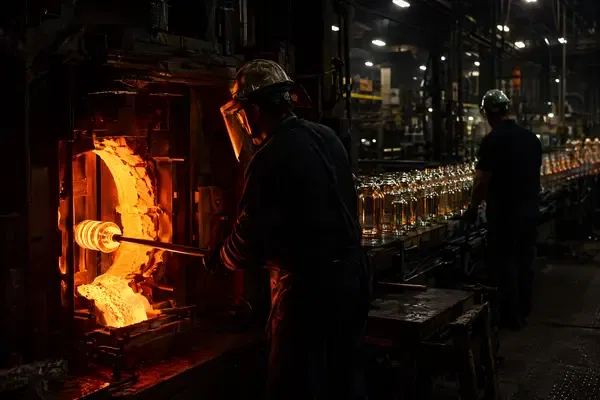
Glass is the only mainstream packaging material that is inherently inert, meaning it requires no chemical linings and will never leach into your food. Unlike plastics or metal cans, glass is made from natural ingredients—sand, soda ash, and limestone. It does not need plasticizers to be flexible or epoxy resins to prevent corrosion. This fundamental chemical stability makes glass completely immune to the evolving landscape of bisphenol regulations.
For products like honey and jam, which often have long shelf lives and varying acidity levels, glass provides unparalleled protection. It can withstand high-temperature sterilization processes, such as hot-filling at 121°C, without any risk of material degradation or chemical release. This ensures that the delicate flavors, aromas, and nutritional profiles of your products remain exactly as intended from the factory to the consumer’s table.
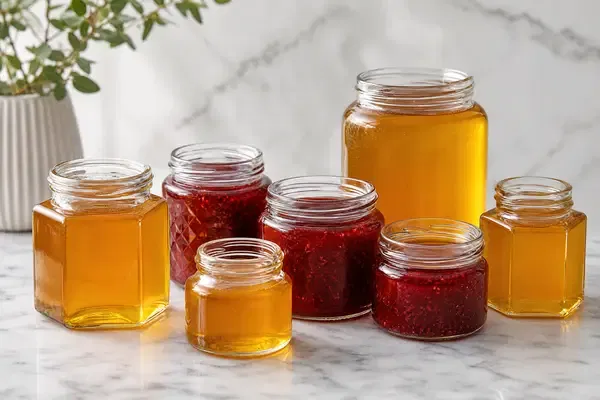
Furthermore, transitioning to glass aligns perfectly with premium brand positioning. A high-quality, clear glass jar not only guarantees compliance but also visually communicates purity and quality. When paired with BPA-free, plastisol-lined metal lug caps or glass closures, the entire packaging system becomes a robust defense against both contamination and regulatory hurdles. For more insights on choosing the right material, see our comparison on glass vs plastic vs ceramic packaging.
| Packaging Material | Chemical Safety (Leaching Risk) | EU 2026 BPA Compliance | Consumer Perception |
|---|---|---|---|
| Glass Jars | Zero (Inherently inert) | 100% Compliant (Future-proof) | Premium, Natural, Safe |
| Metal Cans (Epoxy Lined) | High (Depending on lining) | Requires reformulation/Alternative linings | Standard, Utility |
| Rigid Plastics (Polycarbonate) | Moderate to High (BPA/BPS risk) | Banned or highly restricted | Low value, Health concerns |
Conclusion: Securing Your Supply Chain Before the 2026 Deadline
The 2026 EU BPA ban is not a trend; it is a fundamental restructuring of food safety standards. Brands that act now to transition their honey, jam, and condiment packaging to glass will avoid the scramble for compliant materials as the deadline approaches. By choosing glass, you eliminate chemical leaching risks, elevate your product’s perceived value, and guarantee uninterrupted access to the European market.
If you are a food brand or procurement manager looking to upgrade your packaging to meet strict EU standards, we would be glad to share how GlassyPack can support your transition. Contact us today at sales@glassypack.com or visit our Contact Us page to request a compliance consultation and free samples our premium, 100% BPA-free glass jars.
FAQ
Does the EU BPA ban apply to all types of plastic packaging?
The ban primarily targets polycarbonate plastics and epoxy resins used in can linings and jar lids that come into direct contact with food. While some plastics like PET do not inherently use BPA, the overall regulatory trend is moving strictly against endocrine-disrupting chemicals in food packaging.
Are the metal lids on glass jars affected by the BPA ban?
Yes. Historically, the plastisol or epoxy linings inside metal lug caps contained BPA to prevent rust. To remain compliant, brands must source glass jars with lids that specifically utilize BPA-free or BPA-NI (Bisphenol A Non-Intent) linings.
Why shouldn’t I just switch to BPS-free or BPF-free plastics?
Chemical alternatives to BPA, such as BPS and BPF, have been shown to exhibit similar hormonal disruption risks. Regulatory bodies are already scrutinizing these substitutes, making them a temporary fix rather than a long-term, future-proof solution like glass.
Will switching to glass jars increase my shipping costs?
While glass is heavier than plastic, the premium positioning and higher retail price point of glass-packaged goods typically offset the increased freight costs. Additionally, optimized palletizing and sourcing from efficient manufacturers can mitigate logistical expenses.
How do I verify that my glass packaging supplier is EU compliant?
You should request comprehensive documentation from your supplier, including FDA and EU food contact material certifications, specifically noting that both the glass and the closure linings are BPA-free and comply with the latest European Commission regulations.
References
[1] DW. (2026, June). EU ban on BPA chemical in food packaging takes effect. https://www.dw.com/en/eu-ban-on-bpa-chemical-in-food-packaging-takes-effect/a-77630680
[2] European Commission. (2026). Food Safety: Bisphenol A. https://food.ec.europa.eu/safety/chemical-safety/food-contact-materials/bisphenol_en