
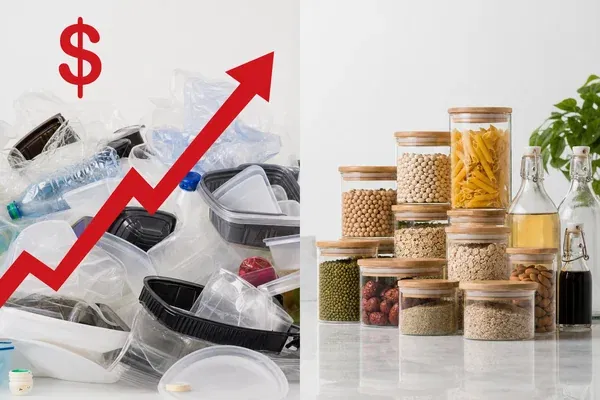
Is your packaging budget being squeezed by the sudden 30% spike in plastic costs? Recent geopolitical tensions in the Middle East have sent petrochemical prices soaring, forcing food and beverage brands to urgently rethink their packaging strategies. This article breaks down the 2026 plastic supply chain shock and explains why glass packaging is emerging as a stable, premium alternative.
The 2026 Plastic Supply Chain Shock
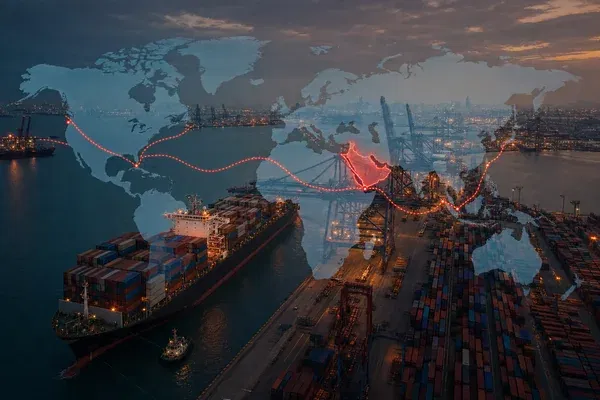
The Strait of Hormuz Crisis. The current packaging cost crisis is rooted in geopolitical instability. Recent tensions in the Middle East, particularly around the Strait of Hormuz, have severely disrupted petrochemical exports. This has triggered a massive supply shock for polyethylene (PE) and polypropylene (PP), the two most widely used polymers in plastic food packaging.
Prices Hit Four-Year Highs. The impact on the market has been swift and severe. According to recent financial reports, PE and PP prices have climbed to roughly four-year highs, with increases of more than 30% since late February 2026 [1]. For food brands operating on tight margins, this sudden spike represents a significant threat to profitability.
Compounding Logistics Costs. The base material cost is only part of the problem. “War risk” insurance premiums on shipping routes and widespread port congestion are adding further cost pressure. As one procurement manager noted in industry reporting, availability is becoming as challenging as price, leaving brands scrambling to secure necessary packaging volumes.
The Hidden Vulnerability of Plastic Dependency
The Regulatory Double Burden. Rising plastic costs are landing on top of an increasingly strict regulatory environment. New Extended Producer Responsibility (EPR) fees, such as California’s SB 54 which went into effect in May 2026 [2], create a compounding cost pressure. Brands heavily reliant on plastic are now paying more for the material upfront and facing higher compliance costs on the back end.
Geopolitical Risk Exposure. The 2026 crisis is not an anomaly; it is a stark reminder that plastic packaging, derived from oil, is inherently exposed to geopolitical risk. Every barrel of crude oil that becomes a packaging material is essentially a bet on global stability. Brands are realizing that relying solely on plastic leaves their supply chains fundamentally vulnerable.
A Glimpse into Packaging History: Before the widespread adoption of commercial plastics in the mid-20th century, glass was the undisputed king of food preservation. Its inert nature made it the only reliable way to store perishables long-term. Today, as plastic supply chains falter, the industry is rediscovering the inherent stability of glass.
Glass Packaging: A Stable and Premium Alternative
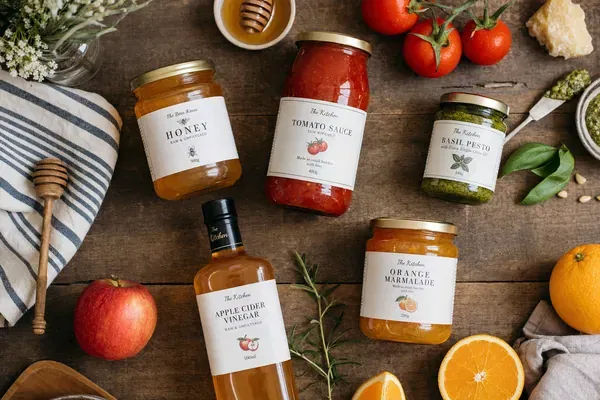
Price Stability Through Material Independence. Unlike plastic, glass is manufactured from abundant natural materials: silica sand, soda ash, and limestone. Because these raw materials are not directly tied to volatile oil markets, glass offers significantly more predictable pricing and insulation from petrochemical supply shocks.
Supply Chain Resilience. Transitioning to glass can buffer brands against market disruptions. Manufacturers like GlassyPack maintain long-term supplier relationships and robust inventory management systems designed to ensure consistent production capacity, even when global logistics are strained.
| Packaging Material | Price Volatility Risk | EPR Compliance Burden | Brand Perception |
|---|---|---|---|
| Plastic (PE/PP) | High (Tied to oil markets) | High (Increasing fees/taxes) | Standard / Utility |
| Glass | Low (Abundant raw materials) | Low (Highly recyclable) | Premium / Sustainable |
Conclusion: Strategic Adaptation
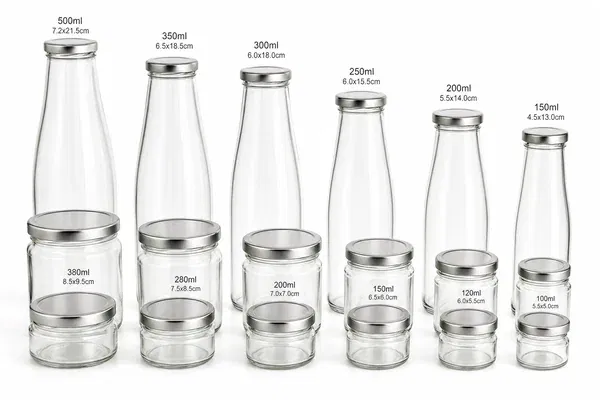
The current plastic price surge is a strategic inflection point, not just a temporary cost headache. The companies that use this moment to evaluate their packaging mix — rather than simply absorbing the cost increase — will be better positioned for the next disruption. Transitioning to glass not only mitigates supply chain risk but also upgrades brand perception and aligns with long-term sustainability goals.
If you are exploring glass as a more resilient alternative for your food or condiment packaging, we would be glad to share how GlassyPack can support your transition. Contact us today at sales@glassypack.com or visit our Contact Us page to discuss specifications and pricing.
References
[1] Yahoo Finance. (2026, May 6). Strait of Hormuz crisis drives up plastic packaging costs. https://finance.yahoo.com/sectors/energy/articles/strait-hormuz-crisis-drives-plastic-061101502.html
[2] Packaging Dive. (2026, May 4). At long last, California publishes SB 54 EPR rules. https://www.packagingdive.com/news/california-approves-sb54-regulations/818997/