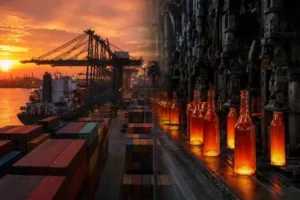
Are you struggling with skyrocketing packaging costs due to the recent Strait of Hormuz disruptions? You are not alone. As crude oil and LNG prices surge, the packaging industry is facing unprecedented pressure. This article provides a clear analysis of the different impacts on plastic and glass bottles, and explains why many international buyers are now turning to Chinese glass bottle suppliers for more stable sourcing.
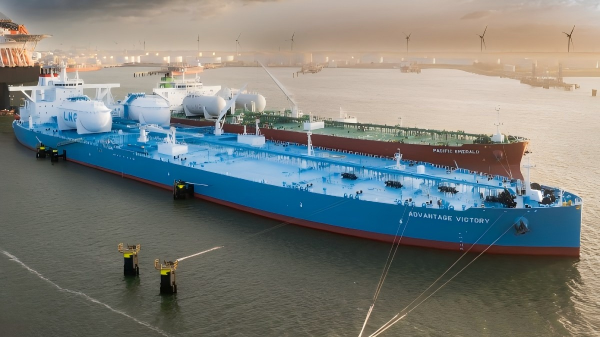
Why the Strait of Hormuz Disruption Matters to Packaging Buyers
The Strait of Hormuz is one of the world’s most critical energy chokepoints, handling roughly 20% of global oil shipments and a significant portion of LNG. Recent tensions and disruptions have caused sharp increases in crude oil and natural gas prices, creating immediate ripple effects across the packaging industry.
Plastic bottles, heavily dependent on petrochemical feedstocks, are facing direct and rapid cost increases. Glass bottles, while not immune, are mainly affected through energy costs and show greater overall supply stability. For international importers, beverage brands, spirits producers, cosmetics manufacturers, and pharmaceutical companies, understanding these differences is essential for making smart sourcing decisions in a volatile market.
1. Plastic Bottles: Direct Hit from Rising Oil Prices
Plastic bottles (mainly PET, HDPE, and PP) are tightly linked to the oil and gas industry. Core raw materials such as naphtha, ethylene, and propylene are direct derivatives of crude oil. Disruptions in the Strait of Hormuz have already driven significant price increases in plastic resins. Some polymers have seen rises between 15% and 50% in a short period.
Higher diesel and sea freight costs further amplify the pressure. The impact on buyers is clear: faster and more dramatic price hikes, unstable lead times, and occasional supply shortages. Many companies are reporting repeated price revisions from their plastic packaging suppliers, making budgeting difficult. As plastic packaging costs climb rapidly, brands are actively looking for more predictable and stable alternatives.
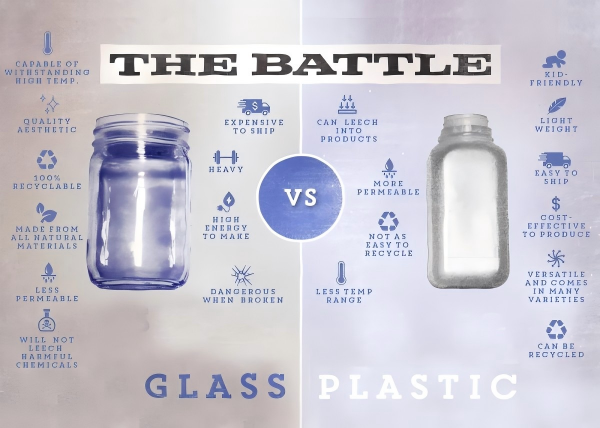
2. Glass Bottles: More Stable Raw Materials with Moderate Energy Pressure
Glass bottles (primarily soda-lime glass) have a fundamentally different cost structure. The main raw materials are quartz sand (silica, ~70-75%), soda ash (~10-15%), limestone, and cullet (recycled glass, which can account for 30-80% of the batch). These are mineral-based resources with very weak direct connection to oil prices.
The primary challenge for glass is high energy consumption. Glass melting furnaces operate at approximately 1500°C, so energy (natural gas, coal, or electricity) typically accounts for 15-40% of total production costs. While rising LNG and natural gas prices increase melting costs, the impact on glass bottles is generally slower and more moderate compared to the direct petrochemical shock hitting plastics. Higher usage of recycled cullet also helps reduce energy demand.
The key advantage is that glass raw material supply chains are far less exposed to Middle East oil disruptions, offering better cost predictability in the current environment.
3. Plastic Bottles vs Glass Bottles: Side-by-Side Comparison
| Aspect | Plastic Bottles (PET/HDPE/PP) | Glass Bottles | Implication for International Buyers |
|---|---|---|---|
| Primary Impact Path | Direct (naphtha & petrochemical feedstocks) | Indirect (mainly energy costs) | Plastic prices rise faster and more sharply |
| Price Volatility | High (15%-50%+ increases reported) | Moderate and slower | Glass offers better short-term cost visibility |
| Link to Crude Oil Prices | Very strong | Weak (mineral-based + recycled content) | Glass supply is more stable |
| Supply Risk | Higher risk of shortages | Lower raw material risk | Easier to secure long-term glass supply |
| Logistics & Freight | Heavily affected | Affected but buffered by raw material stability | Glass suits stable contract purchasing |
Note: Figures are based on recent market observations. Actual impact depends on the duration of the disruption.
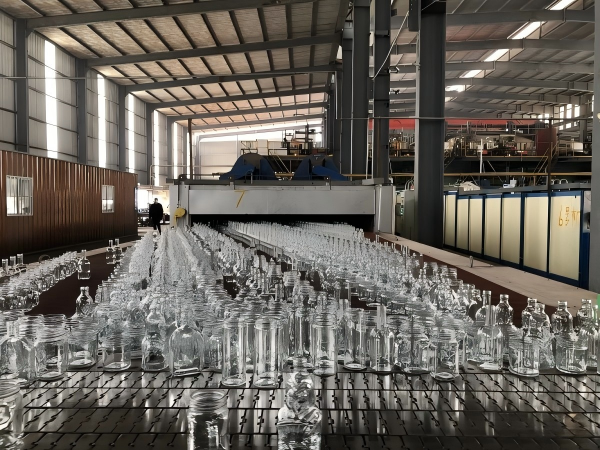
4. Why Global Buyers Are Choosing Chinese Glass Bottle Suppliers
China has one of the world’s largest and most integrated glass bottle manufacturing industries, offering several important advantages in the current market. First, there is an abundant and stable supply of quartz sand and soda ash. Second, China’s diversified energy structure provides better resilience against LNG price spikes.
Furthermore, mature production technology is capable of producing lightweight, high-quality, and food-grade glass bottles that strongly comply with international standards (FDA, EU, SGS, etc.). Efficient export logistics from coastal manufacturing hubs also ensure timely delivery.
In a time when plastic packaging costs are rising sharply and supply reliability is uncertain, Chinese glass bottle manufacturers are becoming a preferred sourcing option for many international companies seeking cost stability and consistent quality.
Final Thoughts: A More Stable Packaging Choice
The Strait of Hormuz disruption has clearly shown the vulnerability of petrochemical-dependent materials. While both plastic and glass are affected, glass bottles demonstrate greater supply chain resilience due to their mineral-based raw materials and slower cost transmission.
For brands looking to control packaging costs and secure stable supply in 2026 and beyond, glass bottles — especially sourced from experienced Chinese manufacturers — represent a smart and increasingly attractive option.
Ready to explore more stable glass bottle solutions?
Whether you need standard flint glass bottles, amber bottles, or customized premium packaging, we are ready to support your needs with reliable supply and professional service.
Contact us today to get the latest competitive pricing, product samples, and custom design support.
Email: sales@glassypack.com
Visit our website: Contact Us