Are you losing sales simply because your premium hot sauce is packaged in a cheap-looking plastic bottle? When food and condiment brands choose packaging materials, glass, plastic, and ceramic each have their passionate defenders. However, the real differences that impact your bottom line are often hidden in consumer perception, food safety regulations, supply chain costs, and sustainability metrics. If you are launching a new product or rebranding an existing one, choosing the wrong material can erode your profit margins or damage your brand image. This article provides a no-nonsense, side-by-side comparison from a supplier’s perspective to help you make the most profitable packaging decision.
The Quick Answer: A Side-by-Side Comparison
Before diving into the science and market trends, let’s look at the hard facts. We have evaluated the three primary packaging materials across five critical dimensions that matter most to food brand buyers.
| Dimension | Glass Bottles/Jars | Plastic (PET/HDPE) | Ceramic Jars |
|---|---|---|---|
| Food Safety & Inertness | ★★★★★ (No leaching) | ★★★☆☆ (Microplastic/BPA concerns) | ★★★★☆ (Glaze must be lead-free) |
| Consumer Premium Perception | High | Low | High (Artisan feel) |
| Unit Cost & Shipping | Medium (Heavier to ship) | Low (Lightweight) | High (Heavy & fragile) |
| Sustainability (EPR Risk) | Infinitely recyclable | High EPR fee risk by 2026 | Reusable, but hard to recycle |
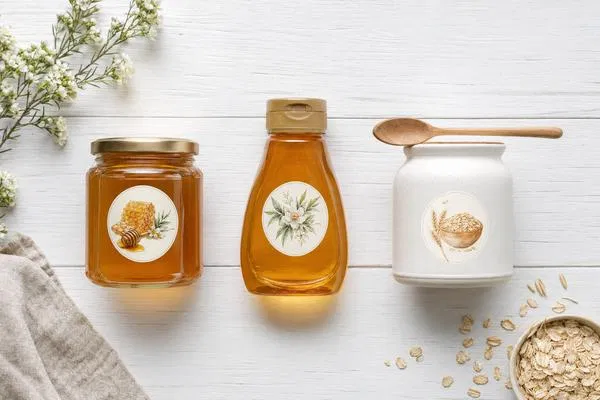
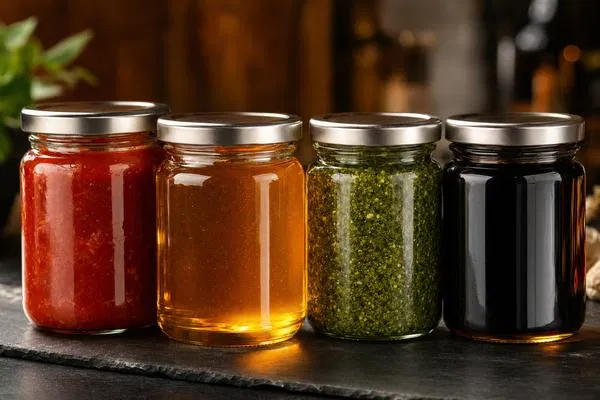
| Best Suited For | Sauces, honey, jams, premium condiments | Bulk items (>1L), squeeze bottles | Luxury gifts, tea, specialty pastes |
Why Glass Dominates Premium Food Packaging (And the Science Behind It)
Glass remains the undisputed king of premium food packaging, and the reasons go far beyond aesthetics. The core advantage of glass is its chemical inertness. Unlike plastics, glass does not react with acidic foods (like tomato sauces or vinegar-based dressings) and does not leach harmful chemicals like BPA or microplastics into the product. A recent study highlighted by Consumer Reports in 2024 emphasized the growing consumer concern over plastic chemicals hiding in food, driving a strong preference for glass alternatives.
Furthermore, glass provides an impermeable barrier against oxygen and moisture, which is crucial for preserving the flavor profile and extending the shelf life of sensitive condiments. Consumers intuitively understand this value. Market research consistently shows that shoppers are willing to pay a 15-25% price premium for the exact same product when it is packaged in glass rather than plastic, associating the weight and clarity of glass with higher quality and better taste.
Interesting Fact: The chemical stability of glass is unmatched. Archaeologists have discovered glass containers in the ruins of Pompeii (nearly 2,000 years old) that still contained detectable traces of the original olive oil inside, perfectly preserved from chemical degradation.
The Case for Plastic: When It Actually Makes Sense
Despite the premium appeal of glass, plastic (specifically PET and HDPE) still holds a massive share of the food packaging market. The primary drivers are cost and convenience. Plastic is significantly lighter than glass, which drastically reduces shipping costs and carbon emissions during transport. It is also shatterproof, making it the preferred choice for e-commerce brands with high breakage rates, outdoor catering, and large-format bulk packaging (over 1 liter).
However, the landscape for plastic is changing rapidly. By 2026, Extended Producer Responsibility (EPR) laws will be strictly enforced across many US states and the EU. These regulations shift the financial burden of recycling from municipalities to the brands that produce the packaging. Food brands using single-use plastics will face steep EPR fees, potentially wiping out the initial cost savings of choosing plastic over glass.
Ceramic Jars: The Artisan Option and Its Real Limitations
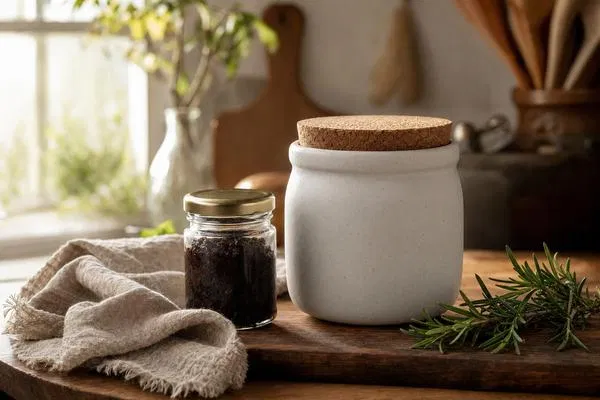
Ceramic packaging offers a unique, artisanal aesthetic that neither glass nor plastic can replicate. It is highly effective for blocking UV light, which is beneficial for light-sensitive products like premium olive oils or specialty teas. Ceramic jars also carry a strong cultural and luxury symbol, often encouraging consumers to upcycle the empty jar as home decor.
Yet, ceramic comes with significant commercial limitations. It is the heaviest of the three materials, leading to the highest freight costs. It is also more fragile than thick glass and requires extensive protective packaging. Most importantly, finding a reliable supplier for food-grade ceramics (ensuring lead-free glazes) can be challenging, and the Minimum Order Quantities (MOQs) and lead times are typically much higher than those for glass.
Conclusion: Making the Right Decision for Your Brand
Ultimately, the best packaging material depends on your product’s positioning and target market. If you are selling bulk condiments for food service, plastic remains the most practical choice. If you are launching a limited-edition luxury gift set, ceramic offers unmatched artisanal appeal. However, for the vast majority of retail food and condiment brands aiming for a premium shelf presence, superior flavor protection, and long-term sustainability compliance, glass is the clear winner.
If you are ready to elevate your food brand with premium glass packaging, we are here to help. We offer a wide range of high-quality glass jars and condiment bottles with flexible customization options and an accessible MOQ of just 2,000 pieces. Contact us today at sales@glassypack.com or visit our Contact Us page to request samples and pricing.