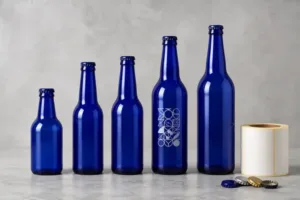
Are you struggling to find a reliable supplier for glass pill bottles that balances competitive pricing with strict pharmaceutical compliance? In 2026, the global demand for custom glass packaging is projected to reach $18 billion, driven by the booming supplement and natural health sectors [1]. Whether you are launching a new line of premium vitamins or scaling up production for a pharmaceutical brand, sourcing the right packaging is a critical operational hurdle. This article breaks down the complex B2B sourcing landscape, comparing direct manufacturers, wholesale distributors, and online marketplaces, to help you secure the best wholesale glass pill bottles for your supply chain.
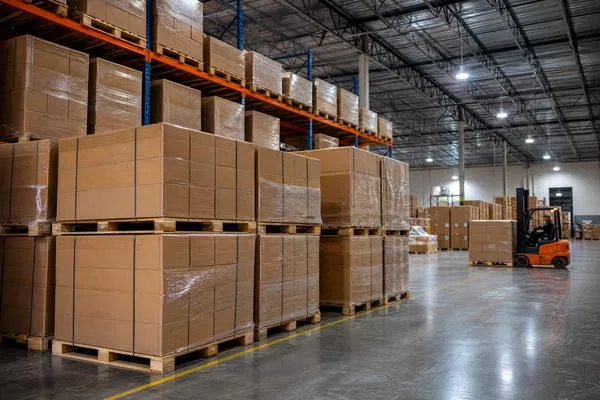
The 4 Main Sourcing Channels for Glass Pill Bottles
When procuring glass pill bottles in bulk, procurement managers typically choose from four primary channels. Your choice depends heavily on your required Minimum Order Quantity (MOQ), customization needs, and acceptable lead times.
First, Direct Manufacturers represent the most strategic option for brands requiring large volumes or custom mold designs. By eliminating the middleman, buyers can secure the lowest per-unit cost, often ranging from $0.22 to $0.50 per bottle depending on specifications [2]. This channel is ideal for OEM/ODM projects where specific shapes, colors, or child-resistant closures are required. However, direct manufacturers usually enforce higher MOQs, often starting between 10,000 to 50,000 units.
Second, Wholesale Distributors act as vital intermediaries. Companies like Berlin Packaging or TricorBraun hold massive domestic inventories. They are perfect for medium-sized businesses that need standard amber or clear packers quickly but cannot meet the high MOQs of direct factories. While lead times are significantly reduced, buyers pay a markup for the convenience and warehousing services.
Third, Online B2B Marketplaces such as Alibaba or Global Sources offer immense variety. They allow buyers to easily compare specifications and pricing across hundreds of global suppliers. This route is highly accessible for startups looking for trial orders. However, due diligence is paramount; buyers must rigorously verify factory credentials, ISO certifications, and FDA compliance to avoid substandard products.
Finally, Local Suppliers provide the fastest turnaround times and lowest shipping costs. If your supply chain is disrupted or you need an emergency restock, domestic suppliers are invaluable. The trade-off is typically a much higher per-unit cost compared to overseas sourcing.
Why Sourcing from China Dominates the Market
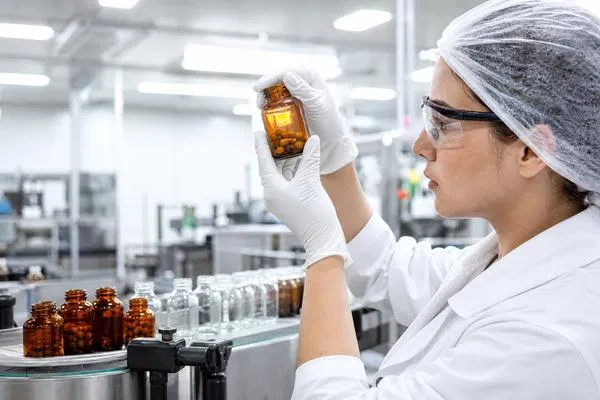
China currently produces over 70% of the world’s glass packaging [2]. For B2B buyers, understanding the Chinese manufacturing landscape is essential for optimizing procurement budgets.
The primary advantage is the cost benefit. Sourcing glass bottles from Chinese factories can reduce packaging costs by 30% to 50% compared to Western suppliers. This is driven by massive economies of scale, established supply chain networks, and specialized manufacturing clusters. For example, Xuzhou in Jiangsu Province is renowned as a powerhouse for glass bottle production, while factories in Guangdong often specialize in premium and cosmetic-grade packaging.
A Glimpse into Glass History: The use of glass for medicine dates back to ancient Egypt and Rome, where opaque glass vessels were used to protect precious ointments and oils from sunlight. Today, the modern equivalent—amber Type III glass—remains the industry standard for blocking UV light and preventing the degradation of light-sensitive pharmaceuticals.
When sourcing overseas, buyers must factor in tooling costs and shipping logistics. A custom mold for a unique pill bottle design typically costs between $1,500 and $8,000, which is amortized over the production run [2]. Additionally, sea freight adds 4 to 6 weeks to the lead time, requiring precise inventory planning.
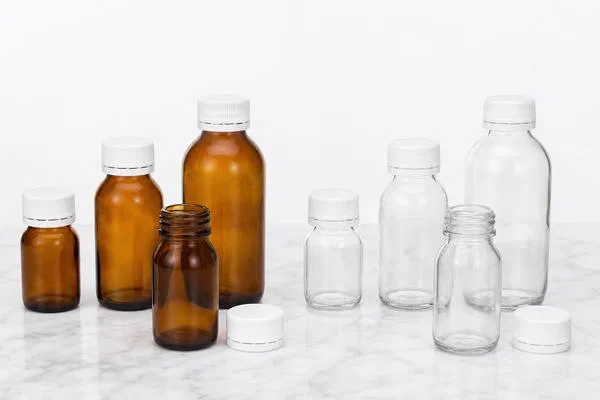
How to Evaluate a Glass Bottle Supplier
Price should never be the sole determining factor when packaging pharmaceuticals or supplements. Substandard glass can lead to leaching, breakage, or failed compliance audits. Here is a framework for evaluating potential suppliers:
| Evaluation Criteria | What to Look For | Red Flags |
|---|---|---|
| Certifications | ISO 9001 (Quality), Food grade certificate | Inability to provide recent, verifiable certificates |
| Sample Quality | Uniform wall thickness, clear glass without bubbles, tight cap seal | Uneven seams, weak neck finishes, color inconsistencies |
| Business Type | Direct manufacturer (owns the factory) | Trading companies posing as factories (refusal of video tours) |
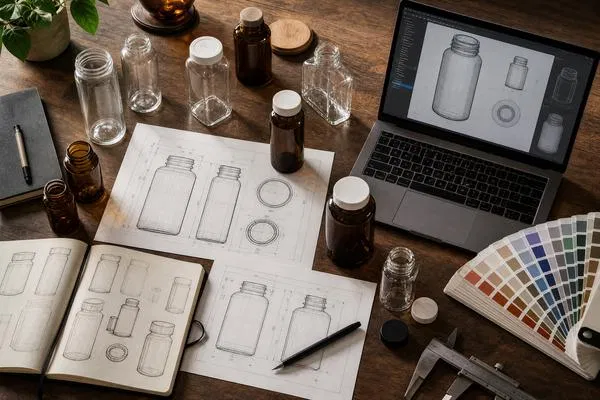
Always request physical samples before committing to a bulk order. For capsule and pill bottles, it is crucial to test the compatibility of the glass neck finish with your chosen closures, especially if child-resistant (CRC) or tamper-evident features are required.
Conclusion: Securing Your Packaging Supply Chain
Sourcing glass pill bottles wholesale is a strategic balancing act between cost, quality, and lead time. By understanding the strengths of direct manufacturers versus distributors, and rigorously vetting overseas suppliers for pharmaceutical compliance, brands can secure high-quality packaging that protects their products and enhances their market positioning.
If you are looking for a reliable, factory-direct partner in China, we would be glad to share how GlassyPack delivers premium, compliant glass packaging solutions with competitive MOQs. Contact us today at sales@glassypack.com or visit our Contact Us page to discuss your custom project.
References
[1] Welltech Medical. (2026). 2026 Top Custom Glass Bottles for Global Buyers Guide. https://www.welltechmedical.com/blog/2026-top-custom-glass-bottles-guide
[2] HJ Glass Packaging. (2026). How To Source Glass Bottles From China: Complete Buyer’s Guide. https://hjglasspackaging.com/how-to-source-glass-bottles-from-china-a-complete-buyers-guide/