Does the number on the box — 30ml, 1.7 oz, 100ml — actually tell you whether you are getting a good deal? For most buyers, perfume sizing feels like a deliberately opaque system designed to obscure value. For brand owners and procurement managers sourcing wholesale perfume bottles, the wrong capacity decision can quietly inflate packaging costs, inflate freight bills, and misalign your product with its target shelf. This guide cuts through the confusion — covering every standard size, the science of fragrance concentration, travel compliance, and the B2B economics that most consumer guides never mention.
1. What Are the Standard Perfume Bottle Sizes and Units?
The unit confusion starts here. Ever see “1.7 fl oz” printed on a beautiful glass bottle and have no idea what that means in practical terms? This frustration is universal — and it can lead consumers to misjudge how much liquid they are actually getting, while causing costly miscommunications between international brands and their packaging suppliers. The two core units in the global fragrance industry are milliliters (ml) and fluid ounces (fl oz). The conversion is simple: 1 fl oz equals approximately 30ml.
Think of the standard cologne bottle sizes as T-shirt sizes — Small, Medium, and Large — each engineered for a completely different use case and consumer behavior pattern. By categorizing glass cologne bottles this way, you can immediately narrow your options based on how you plan to use the fragrance, rather than staring blankly at numbers on a box.
| Volume (ml) | Approx. Volume (oz) | Common Nickname | Best Use Case |
|---|---|---|---|
| 1–5 ml | 0.03–0.17 oz | Sample / Vial | Testing a new scent for a few days to check skin chemistry. |
| 10–20 ml | 0.34–0.67 oz | Travel Spray / Rollerball | Vacations, keeping in a purse, or refreshing after the gym. |
| 30 ml | 1.0 oz | Entry Size | Gifting or seasonal fragrances used occasionally. |
| 50 ml | 1.7 oz | Standard Size | Daily use; the industry’s gold standard for balance of value and longevity. |
| 75–100 ml | 2.5–3.4 oz | Value Size / Full Size | Your one true signature scent; offers the best cost per spray. |
| 125–200 ml+ | 4.2–6.7 oz+ | Jumbo / Decanter | Economical refills, display pieces, or for very heavy users. |
2. How Do You Choose the Right Perfume Size for the Occasion?
The smartest fragrance buyers think in portfolios, not single bottles. Buying a large, expensive bottle of a brand-new scent risks buyer’s remorse if you grow tired of it; buying a tiny bottle of your absolute favorite means it runs out far too quickly. The solution is a scene-based approach: match the bottle size to the specific context in which you will use it.
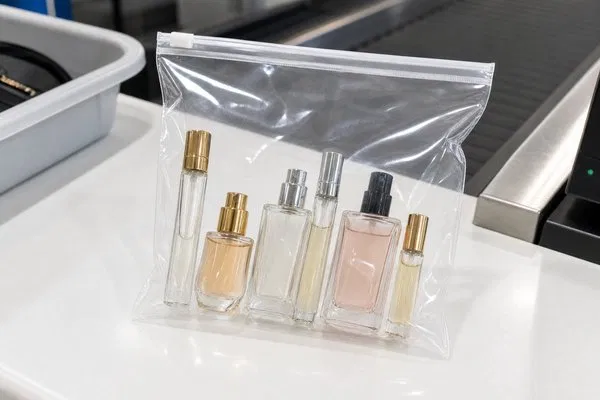
Travel Use: Keep It Small and Compliant. Why risk bringing a large, fragile, and expensive glass bottle on a tropical vacation? A sturdy 10ml travel atomizer is the smart choice. It fits in any pocket, complies with airline liquid rules, and protects your full-size bottle from the wear and tear of transit.
Daily Use: The 50ml Sweet Spot. For your everyday signature scent, the 50ml size is the industry’s gold standard for good reason. It delivers enough liquid for five to seven months of regular use, sits at an accessible price point, and occupies just the right amount of shelf space on a dresser without dominating it.
Gifting and Discovery: Start Small, Commit Later. Want to test that trending niche fragrance before committing? A portfolio approach — starting with a 5ml sample, graduating to a 30ml if you love it, and only then investing in a 100ml — is the secret weapon of experienced collectors and savvy shoppers alike. It prevents over-investing in a scent that might just be a fleeting crush.
3. Fragrance Concentration vs. Bottle Size: A Crucial Match
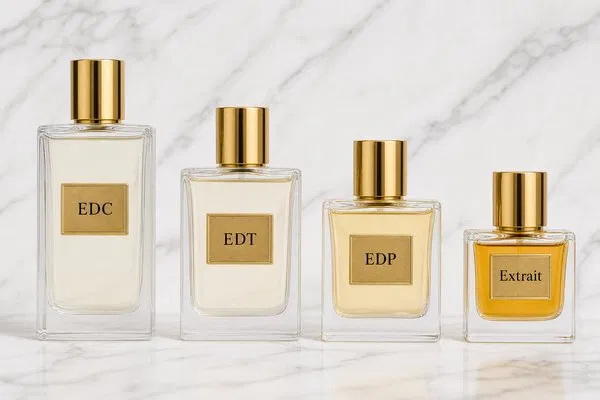
Not all fragrance liquids are created equal — and concentration should directly inform the bottle size you choose. This is one of the most overlooked factors for both consumers and new brand owners, yet it has a direct impact on how long a bottle lasts and how much value it delivers. Lighter concentrations evaporate faster and suit larger bottles; heavier concentrations are so potent that small bottles last for months or even years.
Eau de Cologne (EDC) and Eau de Toilette (EDT) at 2–10% perfume oil evaporate faster, so users spray more liberally. Larger formats — 100ml or even 200ml — make perfect economic sense. Eau de Parfum (EDP) at 10–20% oil offers excellent longevity, and the standard 50ml bottle is usually the sweet spot. Extrait de Parfum (Pure Perfume) at 20–40% oil, where a single spray lasts over 12 hours, is almost exclusively sold in 7.5ml to 30ml bottles — buying a 100ml Extrait would be both prohibitively expensive and impractical, as the fragrance would oxidize long before you finished it.
Did you know? The concept of matching vessel size to liquid potency dates back to ancient Persia, where concentrated attar oils — the precursor to modern Extrait de Parfum — were traded in tiny, hand-blown glass vials no larger than a thumb. A single vial could be worth more than a month’s wages. Today’s 7.5ml pure perfume bottle is a direct descendant of that tradition: small by design, precious by nature.
4. What Are the Rules for Traveling With Perfume?
The 100ml rule is the single most important number every fragrance buyer needs to know. Aviation authorities worldwide — including the TSA in the United States — mandate that all liquids in carry-on luggage must be in containers of 100ml (3.4 oz) or less, and all containers must fit into a single clear, resealable one-quart-sized bag. [1]
This is precisely why the 100ml size has become the de facto global standard — it is the last size that fits in your carry-on without a second thought. Anything larger, such as a 125ml or 200ml bottle, must go into checked baggage, where it faces the risk of extreme temperature changes and rough handling. When buying a fragrance specifically for travel, always verify the volume printed on the bottom of the glass bottle or the retail box reads 100ml / 3.4 oz or less.
5. For Fragrance Brands: How Bottle Size Impacts Your Business
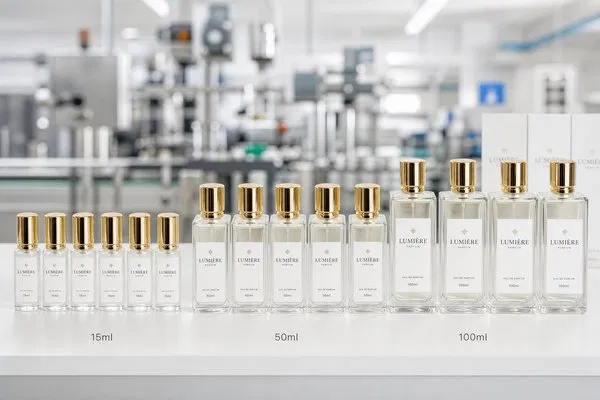
If you are a B2B buyer, a procurement manager, or launching an indie fragrance line, the capacity decision is not aesthetic — it is financial. The size you choose ripples through every downstream cost: secondary packaging dimensions, pump and cap MOQs, freight weight, and retail shelf positioning. Getting this decision right at the sourcing stage can save thousands of dollars per production run.
Packaging Compatibility and Mold Costs. Your chosen custom perfume bottle dimensions dictate the size of everything else: the paper box, the collar, the pump, and the overcap. A smart OEM strategy is to work with a glass bottle supplier that offers a 30ml and 50ml bottle sharing the same neck finish (e.g., FEA 15), allowing you to use identical caps and pumps across both SKUs. This drastically lowers your MOQs and overall tooling investment — a strategy many indie fragrance brands use when launching their first two-SKU lineup.
Shipping Weights and Brand Positioning. Glass is heavy. A 100ml or 200ml bottle significantly increases your shipping weight and breakage risk during international transit. At the same time, a heavy, thick-glass 100ml bottle communicates luxury on a department store shelf, while a sleek 15ml discovery set lowers the barrier to entry for new customers — letting them experience your brand DNA before committing to a full-size purchase. Working with an experienced glass bottle supplier ensures your bottles are engineered with proper glass distribution that balances durability with freight efficiency.
6. Is There More to a Bottle Than Just Its Size?
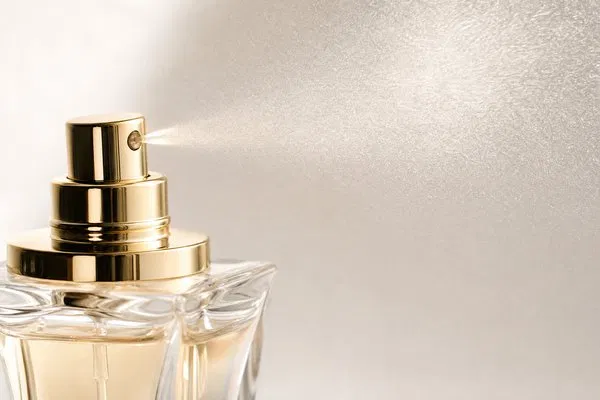
Volume is only half the story. The quality of the spray nozzle (atomizer) and the crimping seal can dramatically affect the daily experience and determine how long an expensive fragrance actually lasts. A high-quality atomizer creates a fine, wide, cloud-like mist for even application; a poor one shoots a harsh, wasteful stream that wastes liquid and irritates skin. A tight, professionally crimped seal prevents premature evaporation and leakage, preserving the delicate top notes of the fragrance.
Luxury brands make very deliberate investments in hardware quality. A flawless spray is a core part of the high-end user experience — it protects the liquid investment from evaporating into thin air or leaking inside a designer handbag. When evaluating wholesale cologne bottles, always request a physical sample and test the sprayer before committing to a production order.
| Hardware Feature | Look For (Premium Quality) | Avoid (Poor Quality) |
|---|---|---|
| Atomizer / Sprayer | Fine, wide, even mist that disperses gently. | Direct aggressive stream or sputtering, uneven drops. |
| Seal & Cap | Clicks on tightly, feels heavy, sits perfectly flush. | Loose, wobbly, lightweight plastic, or fails to seal properly. |
| Glass Quality | Thick heavy base, crystal clear, free of internal defects. | Thin lightweight glass with visible seams or trapped air bubbles. |
7. FAQ: Frequently Asked Questions About Perfume Bottle Sizes
How big is a 1 oz perfume bottle visually? A standard 1 fl oz (30ml) bottle is typically about 3 to 4 inches tall, depending on the mold and cap design. It fits comfortably in the palm of your hand — visually comparable to a standard bottle of liquid foundation or a large nail polish.
Is 50ml perfume enough for a month? Yes. A 50ml bottle yields approximately 500 to 700 sprays depending on the atomizer output. At 3 sprays per day, it will last 5 to 7 months — more than enough for an entire season of daily wear.
What is the most popular perfume bottle size globally? The 50ml (1.7 oz) and 100ml (3.4 oz) sizes dominate global retail. The 50ml wins on accessible price point; the 100ml wins on long-term value per milliliter for loyal users of a signature scent.
Can I bring a 3.4 oz cologne on a plane? Yes. 3.4 oz equals exactly 100ml — the strict maximum for liquids in carry-on baggage under international aviation rules. Place it inside your clear, quart-sized liquids bag and you are fully compliant.
Conclusion: Match the Bottle to the Purpose
Choosing the right perfume bottle size is about matching volume to lifestyle, understanding the economics of cost per spray, aligning concentration with format, and ensuring travel compliance. For brands, it is a compounding decision that touches packaging costs, MOQ strategy, freight efficiency, and shelf positioning. Use this guide to shop smarter, build a versatile personal collection, or optimize your wholesale glass bottle sourcing — ensuring every single drop is enjoyed to the fullest.
At GlassyPack, we supply high-quality, customizable glass packaging solutions — from standard shapes to full custom molds — for fragrance brands across 36 countries. If you are ready to start your next packaging project, contact us today at sales@glassypack.com or visit our Contact Us page to speak with our team.
References:
[1] TSA. “Liquids Rule.” https://www.tsa.gov/travel/security-screening/liquids-rule