Is your packaging protecting your active ingredients, or just showing them off? In the high-end skincare and essential oil markets, choosing the right glass color is far more than an aesthetic decision—it is a fundamental requirement for product efficacy. When brands debate between flint (clear) and amber glass, they are balancing the desire for visual purity against the critical need for UV protection. This article explores the science of photodegradation, explains the protective mechanics of colored glass, and provides a clear framework for selecting the optimal packaging for your cosmetic formulations.
The Science of Light Degradation in Cosmetics
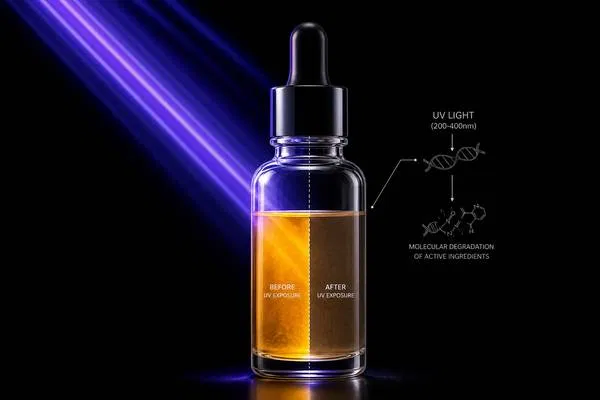
The hidden threat to active ingredients. Photodegradation is the chemical alteration of a substance caused by light exposure. For cosmetics, the primary culprits are Ultraviolet A (UV-A, 315-400nm) and Ultraviolet B (UV-B, 280-315nm) rays, though visible light can also cause damage. When high-performance ingredients are exposed to these wavelengths, their molecular structures can break down, leading to a loss of potency, changes in color, and the development of unpleasant odors. For instance, Vitamin C (Ascorbic Acid), a staple in anti-aging serums, is notoriously unstable; studies have shown it can degrade by up to 30% within just 6 hours of UV exposure. Similarly, Retinol is highly photosensitive and will rapidly lose its efficacy if not properly shielded.
Essential oils and oxidation. The threat extends beyond lab-synthesized active ingredients. Essential oils, which are complex mixtures of volatile compounds, are particularly vulnerable. Terpenes, the primary constituents of many essential oils, oxidize quickly when exposed to UV light, altering the oil’s therapeutic properties and scent profile. This oxidation process not only diminishes the product’s value but can also produce skin-sensitizing byproducts. Therefore, understanding the light sensitivity of your formulation is the first and most crucial step in the packaging selection process.
Amber Glass: The Ultimate Protector
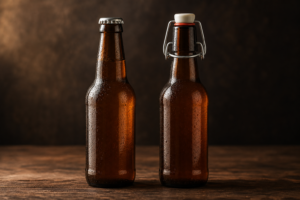
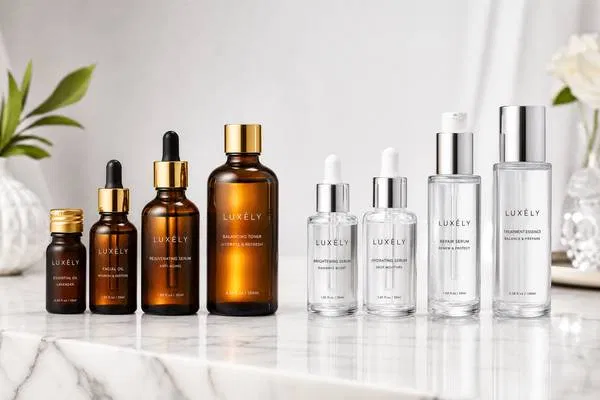
How amber glass blocks UV rays. Amber glass is the industry standard for light-sensitive formulations, and its protective capabilities are rooted in its chemical composition. The distinct brown color is achieved by adding a mixture of iron, sulfur, and carbon to the glass melt. This specific combination acts as a powerful filter, absorbing light across the UV spectrum. Crucially, amber glass can block wavelengths ranging from 290nm to 450nm, providing nearly complete protection against the most damaging UV-A and UV-B rays. This makes it the undisputed champion for preserving the integrity of photosensitive compounds.
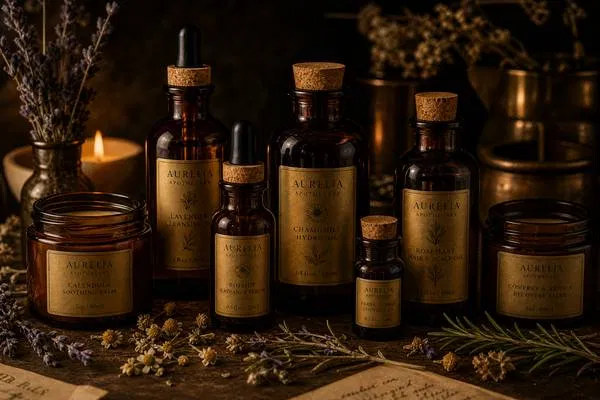
A Glimpse into Glass History: The use of amber glass for protection is not a modern invention. In the 19th century, apothecaries and pharmacists discovered that medicines stored in clear glass degraded much faster than those kept in dark environments. They began utilizing amber glass bottles to extend the shelf life of their tinctures and remedies. Today, the “Apothecary Bottle” aesthetic remains incredibly popular in the natural and organic beauty sectors, subtly communicating professionalism, historical trust, and clinical efficacy to the consumer.
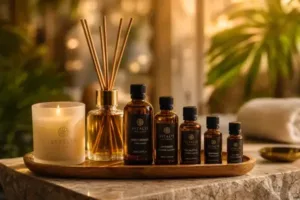
Ideal applications for amber glass. Given its superior UV-blocking properties, amber glass is the mandatory choice for several product categories. Pure essential oils, Retinol serums, high-concentration Vitamin C products, and organic formulations without synthetic stabilizers should almost exclusively be packaged in amber glass. By preventing photodegradation, brands ensure that their customers receive the full intended benefit of the product from the first drop to the last.
Flint (Clear) Glass: Showcasing Purity and Color
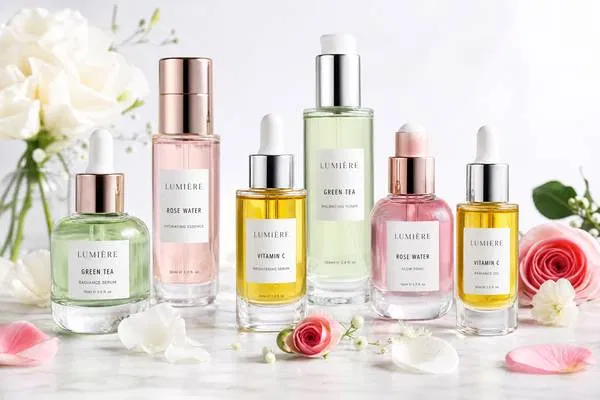
The power of visual transparency. While amber glass excels in protection, flint (clear) glass dominates in presentation. The primary advantage of flint glass is its ability to showcase the product itself. For consumers, seeing the color, texture, and purity of a serum or lotion builds immediate trust and desire. On a crowded retail shelf, a crystal-clear bottle containing a vibrant, naturally colored botanical extract—such as a pale green tea serum or a soft pink rose water—creates a striking visual impact that amber glass simply cannot match. Flint glass communicates modern elegance, cleanliness, and premium quality.
Bridging the gap: Protecting products in clear glass. If your brand identity demands the clarity of flint glass but your formulation requires UV protection, there are several effective workarounds. First, UV coatings can be applied directly to the glass surface during manufacturing, creating an invisible shield against harmful wavelengths. Second, frosting or acid-etching the glass can reduce light transmission by approximately 30% while adding a luxurious, tactile finish. Finally, utilizing secondary packaging, such as an opaque outer box or tube, provides total light protection during shipping and retail display, leaving the clear bottle to be admired once the consumer opens it at home.
| Formulation Type | Recommended Glass | Alternative / Extra Protection |
|---|---|---|
| Highly Photosensitive (Retinol, pure essential oils) | Amber Glass | Opaque painted glass or UV-coated dark glass |
| Moderately Sensitive (Vitamin C, organic extracts) | Amber or Frosted Flint | Flint glass + opaque outer packaging box |
| Stable / Visually Driven (Toners, colorful botanical serums) | Flint (Clear) Glass | Apply clear UV-blocking coating to maintain transparency |
Conclusion: Finding the Perfect Balance
The choice between flint and amber glass is rarely a simple matter of aesthetics; it is a strategic decision that balances product stability with brand presentation. Amber glass remains the undisputed choice for protecting highly sensitive active ingredients and essential oils from UV degradation. Conversely, flint glass offers unparalleled visual appeal, allowing the natural beauty of your formulations to shine through, provided the right secondary protective measures are in place.
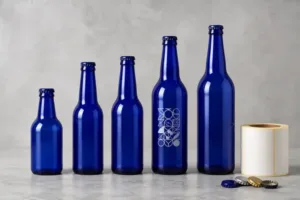
At GlassyPack, we understand that every formulation is unique. We offer a comprehensive range of custom glass bottles in flint, amber, green, and blue, along with advanced finishing options like UV coating and frosting to meet your exact specifications. Not sure which glass color suits your new serum? Reach out to GlassyPack for expert packaging advice. Contact us today at sales@glassypack.com or visit our Contact Us page to discuss your next project.