Is the 400-year reign of the glass wine bottle coming to an end? As the wine industry grapples with its carbon footprint and shifting consumer demographics, alternative packaging materials like PET (polyethylene terephthalate) plastic, aluminum cans, and flexible pouches are gaining traction. For wineries and distributors, choosing the right packaging is no longer just about aesthetics; it is a complex balancing act involving product quality, sustainability, and consumer perception.
The Science of Preservation: Quality and Taste
When it comes to preserving the integrity of wine, the material holding the liquid matters immensely. Wine is a complex, living beverage that reacts to oxygen, light, and temperature. A recent 2026 study published in the journal Beverages rigorously assessed wine quality in glass versus alternative packaging over a 12-month storage period [1].
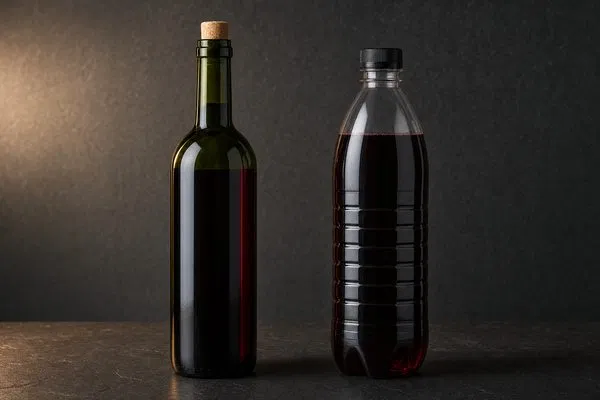
The Verdict on Quality. The research confirmed what traditionalists have long argued: glass remains the superior material for long-term storage. The study found that wine stored in glass packaging (both 375 mL and 750 mL) exhibited the best color and phenolic stability over time. Glass is chemically inert and impermeable, meaning it does not interact with the wine or allow oxygen to seep in. Conversely, while PET plastic showed potential for wines intended to be consumed within six months, its performance degraded significantly by the 12-month mark, leading to noticeable color changes and potential oxidation [1].
For premium wines meant to age, glass is non-negotiable. However, for fast-moving, entry-level wines consumed shortly after purchase, alternative packaging offers a viable, short-term solution.
Consumer Perception: The Premium Image
Beyond the chemistry of preservation, packaging is a powerful marketing tool. How do consumers actually feel about buying wine in plastic or pouches? A comprehensive 2026 survey of 2,000 U.S. wine consumers, conducted by researchers at the University of Arkansas, unboxed these perceptions [2].
Glass Still Dominates. The study revealed that glass is still overwhelmingly preferred. Consumers consistently associate glass with higher quality. Interestingly, this perception translates directly into purchasing power. The researchers found that consumers were willing to pay higher prices for wine bottled in glass across all generational cohorts. Gen Z, surprisingly, was willing to spend the most on a 750 mL glass bottle (averaging $35.38), while Baby Boomers were willing to pay the least ($29.77) [2].
When compared to alternatives, aluminum was the second choice, followed by PET plastic, with flexible pouches ranking last. The lead author of the study noted his surprise at how poorly flexible bags performed in terms of consumer willingness to pay [2]. Clearly, the “premium” aura of glass is deeply ingrained in the wine-drinking experience.
A Glimpse into Wine History: The modern cylindrical glass wine bottle, as we know it, was developed in the 17th century. Before that, wine was primarily stored in wooden casks or clay amphorae and served in leather or animal skin bags. The invention of the cork-sealed glass bottle revolutionized the industry, allowing wine to be aged and transported without spoiling, fundamentally changing how wine was consumed and traded globally.

The Sustainability Debate: Carbon Footprint vs. Recyclability
The primary argument against glass is its weight and the energy required to manufacture and transport it, which contributes significantly to the wine industry’s carbon footprint. Alternative packaging like PET is much lighter, reducing shipping emissions.
However, the sustainability conversation is nuanced. The University of Arkansas study found that providing consumers with educational information about a package’s carbon footprint and recyclability shifted their willingness to pay. Consumers who were informed about the carbon footprint were willing to pay more for glass ($25.37) compared to those who received no information ($22.36) [2]. The study noted a divide: approximately 45% of respondents considered glass the most sustainable option, while 39% viewed it as the least sustainable [2].
While plastic is lighter, glass is 100% infinitely recyclable without loss of quality or purity. PET plastic, on the other hand, degrades during the recycling process and often ends up in landfills. For brands committed to a circular economy, lightweight glass bottles offer a compromise—reducing transport emissions while maintaining the premium feel and infinite recyclability of traditional glass.
| Feature | Glass Bottles | PET Plastic Bottles |
|---|---|---|
| Shelf Life & Preservation | Excellent (Years/Decades) | Limited (Best within 6 months) |
| Consumer Perception | Premium, High Quality | Economy, Convenience |
| Recyclability | 100% Infinitely Recyclable | Downcycled, limited lifespan |
| Transport Weight | Heavy (Higher emissions) | Lightweight (Lower emissions) |
Conclusion: The Clear Winner
While alternative packaging materials have their place in specific market segments—such as outdoor events or fast-consumption entry-level wines—glass remains the undisputed champion for the vast majority of the wine industry. The scientific evidence confirms its superior ability to preserve wine quality, and consumer data proves that buyers are willing to pay a premium for the experience and tradition that only a glass bottle can provide.
At GlassyPack, we believe that premium wine deserves premium packaging. We specialize in manufacturing high-quality glass wine bottles that protect your vintage while elevating your brand’s image. We also offer lightweight glass options to help wineries meet their sustainability goals without compromising on quality. If you are looking for a reliable glass packaging partner, contact us today at sales@glassypack.com or visit our Contact Us page to explore our catalog.
References
[1] Bartz, M. W., Fleming, A. J., & Threlfall, R. T. (2026). Assessing Wine Quality in Glass and Alternative Packaging During Storage. Beverages, 12(5), 54. https://www.mdpi.com/2306-5710/12/5/54
[2] Hightower, M. (2026, April 22). Could glass be dethroned as wine’s top packaging? Researchers unbox consumer perceptions of wine packaging. University of Arkansas System Division of Agriculture. https://www.uaex.uada.edu/media-resources/news/2026/april/04-22-2026-ark-wine-packaging.aspx