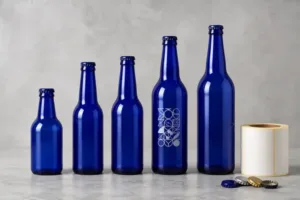
When packaging oral liquids, syrups, or injectables, choosing the wrong glass type isn’t just a design flaw—it’s a compliance risk that can lead to product recalls. Are you certain your current packaging meets USP standards?
The pharmaceutical glass packaging market is experiencing unprecedented growth, projected to reach over $41 billion by 2031 [1]. As the demand for biologics, vaccines, and specialized oral liquids surges, procurement managers and brand owners face a critical technical decision: selecting the correct glass grade. Unlike standard food jars or cosmetic bottles, pharmaceutical glass is strictly regulated by international pharmacopoeias, primarily the United States Pharmacopeia (USP) and the European Pharmacopoeia (Ph. Eur.).
Navigating these regulations can be daunting. Glass used for pharmaceutical containers is classified into three primary categories based on its hydrolytic resistance—its ability to withstand chemical leaching when exposed to water or active drug ingredients. This guide will break down the differences between Type I, Type II, and Type III glass, helping B2B buyers make informed, compliant, and cost-effective sourcing decisions for their oral liquid bottles and other medical packaging needs.
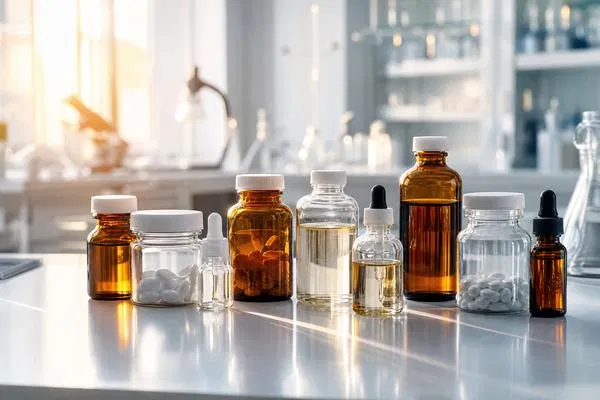
What is Type I Glass? (Borosilicate Glass)
Type I glass, commonly known as borosilicate glass, represents the gold standard for pharmaceutical packaging. Its composition typically includes approximately 80% silica, 10% boric oxide, and small amounts of sodium oxide and aluminum oxide [2]. The addition of boron trioxide is what gives this glass its exceptional properties.
The defining characteristic of Type I glass is its supreme chemical durability and high hydrolytic resistance. It is highly resistant to leaching, meaning it will not alter the pH or chemical makeup of the drug it contains. Furthermore, borosilicate glass has a very low coefficient of thermal expansion, giving it excellent thermal shock resistance. It can withstand rapid temperature changes, making it ideal for processes that require rigorous sterilization, such as autoclaving.
Because of its unreactive nature, Type I glass is suitable for packaging almost all pharmaceutical preparations. It is the mandatory choice for most parenteral (injectable) products, including vaccines, strong acids, and alkalis. However, its complex manufacturing process—requiring much higher melting temperatures—makes it the most expensive option among the three types.
Did you know? In late 2023, the FDA and USP initiated a major shift in how pharmaceutical glass is defined. Historically, Type I was strictly defined by its borosilicate composition. The recent revision to USP General Chapter <660> transitioned this to a “performance-based” definition. This means new, innovative glass compositions (like aluminosilicate) can now be classified as Type I if they pass the stringent hydrolytic resistance tests, opening the door for next-generation packaging solutions [3].
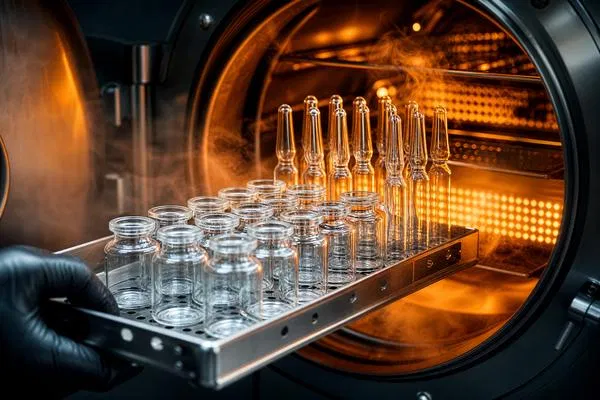
What is Type II Glass? (Treated Soda-Lime Glass)
Type II glass offers a middle ground between the extreme durability of Type I and the affordability of Type III. Interestingly, Type II glass begins its life as standard soda-lime glass (Type III). To achieve its Type II status, the interior surface of the glass undergoes a specialized chemical treatment, typically using sulfur dioxide or ammonium sulfate, at high temperatures during the annealing process [4].
This “dealkalization” treatment neutralizes the alkaline oxides on the interior surface, creating a thin, highly resistant silica-rich layer. As a result, the inside of a Type II bottle boasts a hydrolytic resistance that approaches that of Type I glass, preventing alkaline leaching into the product.
Type II glass is easier to mold and has a lower melting point than borosilicate glass, making it more cost-effective to produce. It is widely used for packaging acidic and neutral aqueous preparations, both parenteral and non-parenteral. In the context of GlassyPack’s product lines, Type II is an excellent choice for certain sensitive oral liquids, syrups, and IV solutions where the pH is strictly controlled below 7. However, it is important to note that the protective surface layer can be compromised if exposed to strong alkaline solutions or repeated high-temperature sterilizations.
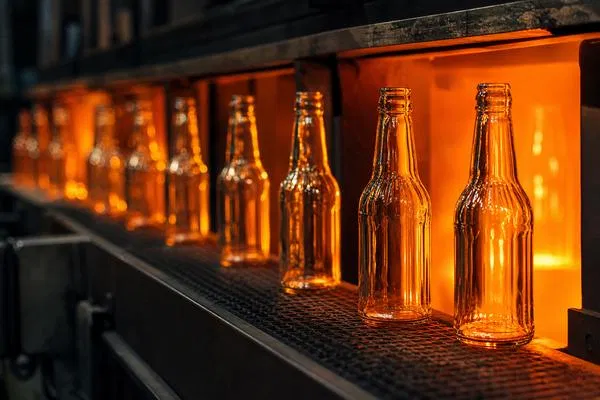
What is Type III Glass? (Regular Soda-Lime Glass)
Type III glass is standard soda-lime-silica glass. It is composed of roughly 75% silica, 15% sodium oxide, and 10% calcium oxide, along with trace amounts of magnesium and aluminum oxides [2]. This is the most common type of glass produced globally, accounting for the vast majority of everyday containers, including food jars, beverage bottles, and cosmetic packaging.
While Type III glass has average chemical resistance—lower than Types I and II—it is still highly stable compared to plastics. It is not suitable for aqueous injectables because the sodium ions can leach into the solution, potentially raising the pH and degrading the active pharmaceutical ingredients.
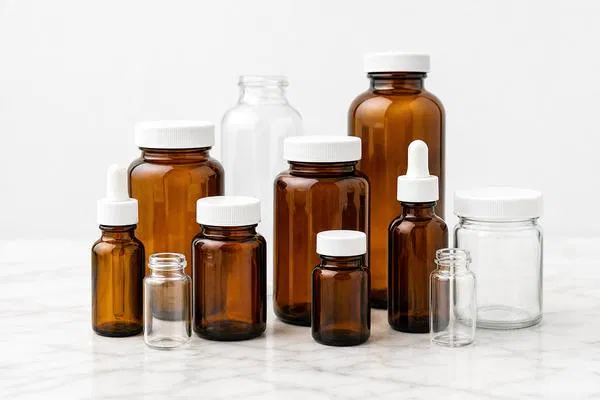
However, Type III glass is the most versatile and economical choice for a wide range of pharmaceutical and wellness products. It is the industry standard for solid oral dosages (capsules, tablets, and powders) and non-aqueous liquid preparations. For brands sourcing capsule and pill bottles or over-the-counter (OTC) syrup bottles, Type III glass provides excellent barrier properties against moisture and oxygen at a fraction of the cost of borosilicate. It is also easily colored; amber Type III glass is ubiquitous in the pharmaceutical industry for its ability to block UV light and protect light-sensitive medications.
How to Match the Glass Type to Your Product
Selecting the right glass type requires balancing product stability, regulatory compliance, and procurement budgets. Using Type I glass for a simple cough syrup is an unnecessary expense, while using Type III glass for an acidic injectable could lead to product failure. Here is a practical B2B decision framework to help you choose the right pharmaceutical glass:
| Product Characteristics | Recommended Glass Type | Primary Advantages | Common Applications |
|---|---|---|---|
| All Injectables, Strong Acids/Alkalis, High-value Biologics | Type I (Borosilicate) | Maximum chemical stability, highest thermal shock resistance | Vaccines, sensitive IV drugs, premium essential oils |
| Acidic or Neutral Aqueous Liquids (pH < 7) | Type II (Treated Soda-Lime) | High internal resistance, more cost-effective than Type I | Specific oral liquids, syrups, IV fluids, diagnostic reagents |
| Non-Aqueous Liquids, Dry Powders, Solid Dosages | Type III (Soda-Lime) | Most economical, highly versatile, easily colored (Amber for UV protection) | OTC syrups, capsule/pill bottles, topical lotions, dry antibiotics |
When sourcing packaging, it is also crucial to ensure that your supplier’s closures and neck finishes match the rigorous standards of the glass itself, ensuring a perfectly sealed system that maintains the drug’s efficacy throughout its shelf life.
Conclusion
Understanding the distinctions between Type I, Type II, and Type III glass is fundamental for any brand operating in the pharmaceutical, wellness, or supplement space. By aligning your product’s chemical profile with the appropriate USP glass classification, you ensure regulatory compliance, guarantee patient safety, and optimize your packaging procurement costs.
At GlassyPack, we understand that precision is non-negotiable in medical and wellness packaging. We supply compliant, safe, and premium Type II and Type III glass bottles tailored for the health sector, from amber pill bottles to specialized oral liquid bottles. Our rigorous quality control ensures that every container meets the exact performance characteristics your product demands.
Ready to secure reliable, compliant glass packaging for your next production run? Contact our experts for a custom quote today.
References:
[1] Mordor Intelligence. “Pharmaceutical Glass Packaging Market Size & Share Analysis.” https://www.mordorintelligence.com/industry-reports/pharmaceutical-glass-packaging-market
[2] Origin. “A Guide to Types of Glass Containers.” https://originltd.com/blog/type-i-glass-vs-type-ii-glass-vs-type-iii-glass/
[3] West Pharmaceutical Services. “USP <660> – Time for a Change.” https://www.westpharma.com/blog/2023/october/usp-revision-glass-container-vials-packaging-chapter-660
[4] Qorpak. “USP Glass Types and Testing.” https://shop.qorpak.com/resources/usp-glass/