In the hyper-competitive beauty and skincare landscape of 2026, visual appeal is no longer the sole arbiter of luxury. As digital fatigue peaks and consumers crave physical, tactile experiences, a quiet revolution is reshaping the packaging industry. The most innovative cosmetic, fragrance, and premium wellness brands are moving beyond mere aesthetics to engineer the precise sensory footprint of their packaging. They are designing the exact weight a cream jar feels in the palm, the satisfying acoustic resonance of a cap clicking shut, and the velvet touch of custom-treated glass. This multi-sensory approach is not just a design trend — it is a scientifically proven cognitive shortcut that establishes brand authority and product efficacy before a single drop of formula is applied.
For B2B buyers, procurement managers, and brand founders, understanding the engineering behind sensory glass packaging is essential to navigating this shift. By deliberately specifying the tactile, acoustic, and physical weight properties of glass containers, brands can command premium pricing, drive repeat purchases, and build deep emotional connections with their consumers.
The Neuroscience of Haptic Feedback: Why the Brain Equates Weight with Efficacy
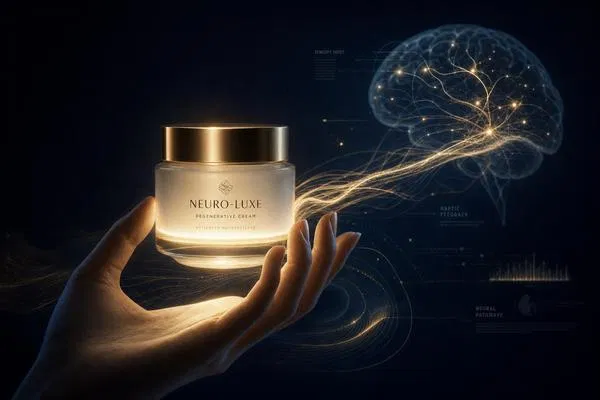
To understand why sensory packaging has become a dominant force in 2026, we must look to the field of consumer neuroscience and haptic psychology. The human hand is packed with thousands of sensory receptors that constantly send signals to the brain, forming subconscious judgments about our environment. In packaging design, this is known as haptic feedback — the physical sensations experienced when holding, opening, or interacting with a product container.
Research published in the Journal of Consumer Research demonstrated that the physical weight of a product container directly influences a consumer’s perception of its contents. When participants held a heavier container, they consistently rated the product inside as more effective, higher in quality, and worth a higher price point — compared to the exact same product in a lightweight container. In the beauty industry, this cognitive bias is incredibly powerful. Consumers naturally equate physical heft with ingredient concentration, scientific formulation, and luxury heritage.
“The psychological connection between weight and value is deeply rooted in human evolution. Historically, dense materials like gold, stone, and hardwood represented durability and wealth, while lightweight materials were associated with fragility and cheapness. Today, luxury cosmetic houses leverage this ancient cognitive shortcut by engineering glass bottles with exaggerated base thicknesses, transforming a simple container into a physical anchor of brand prestige.”
In contrast, lightweight plastic packaging — even when highly decorated — often sends a subconscious signal of transience and low value. While plastic is functional for mass-market products, premium skincare creams, active serums, and luxury perfumes require the “weighted luxury” that only high-density, thick-walled glass can provide. Furthermore, thick glass walls provide practical benefits: they act as a thermal barrier, protecting delicate active ingredients such as Vitamin C, Retinol, and botanical extracts from rapid temperature fluctuations that can cause chemical degradation.
The Four Dimensions of Sensory Glass Engineering
Creating a sensory packaging experience is a precise engineering discipline. Glass manufacturers do not simply hope a bottle feels premium; they design it to meet strict physical and acoustic specifications. In 2026, the sensory experience is divided into four distinct engineering dimensions: weight, sound, touch, and temperature.
1. Weight: Engineering the “Luxury Heft”
To achieve the sensory threshold of luxury, a glass container must have a specific weight-to-volume ratio. For a standard 50ml luxury skincare cream jar, prestige brands typically specify a total glass weight of 180g to 250g, resulting in a base thickness of 8mm to 12mm. For a 100ml perfume flacon, the standard glass weight ranges from 220g to over 350g in the niche fragrance tier.
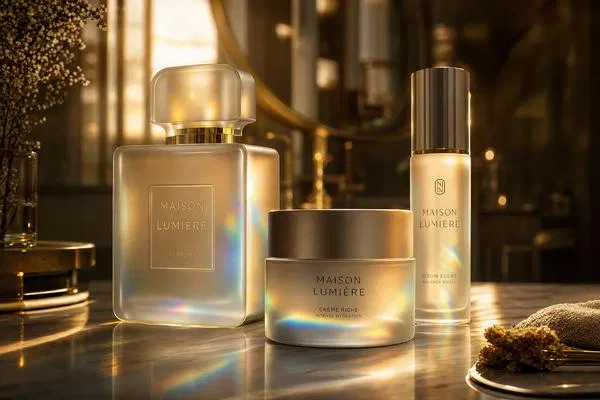
Achieving this weight requires advanced blow-and-blow or press-and-blow glass forming machinery. The glass mold must be engineered with a deep bottom cavity to allow molten glass to pool at the base, creating a perfectly flat, heavy glass foot. This thick base not only adds satisfying physical weight but also creates a beautiful prismatic light-refraction effect that enhances the visual depth of the formula inside.
2. Sound: The Acoustic Resonance of Closures
The sensory experience does not end when the consumer picks up the bottle — it continues as they open it. The sound of a cap clicking, snapping, or unscrewing is a critical physical touchpoint that communicates mechanical precision and airtight security.
In 2026, leading luxury brands are testing the acoustic properties of their closures in dedicated sound labs. Cheap plastic caps often produce a hollow, high-pitched “clack” that signals low quality. To counter this, premium brands specify double-anodized aluminum caps or heavy urea caps paired with custom-engineered thread pitches. A thread pitch designed for 1.5 to 2 full rotations provides a deliberate, ceremonial opening experience, while integrated magnetic closures produce a deep, resonant “click” that reassures the user of a hermetic seal.
3. Touch: Advanced Surface Textures and Finishes
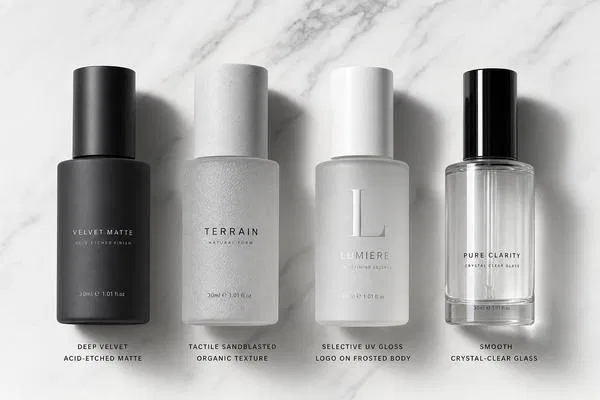
How a bottle feels against the skin is the most direct form of haptic branding. Standard smooth glass is clean and classic, but custom surface treatments can evoke specific emotions and brand narratives. Three treatments dominate the 2026 premium market:
- Velvet Matte (Acid Etching): Acid etching chemically alters the outer layer of the glass, creating a micro-textured surface that feels incredibly soft and silky — like satin. This finish is highly resistant to fingerprints and cosmetic oils, maintaining its pristine look on vanity tables.
- Tactile Sandblasting: Physical sandblasting uses high-velocity abrasive particles to create a rougher, organic matte texture. This is ideal for natural, clean beauty brands wanting to convey an earthy, artisanal aesthetic.
- Selective UV Coating: By applying high-gloss UV coatings over a matte-etched bottle, brands can create raised, tactile patterns or logos. The contrast between smooth gloss and textured matte stimulates the consumer’s sense of touch and sight simultaneously.
4. Temperature: The Cool-Touch Phenomenon
Unlike plastic, which quickly matches ambient room temperature, glass has a high thermal conductivity. When a consumer picks up a glass bottle, it draws heat away from their hand, creating a distinct, refreshing “cool-touch” sensation. In skincare, this cool temperature is subconsciously associated with soothing, anti-inflammatory properties — making it the perfect physical precursor to applying a refreshing eye cream or face serum. This is a sensory dimension that no plastic or aluminum container can replicate.
Sourcing Specifications: Comparing Sensory Packaging Tiers
For procurement managers, translating sensory desires into technical manufacturing specifications is the key to a successful sourcing project. The table below outlines the physical and mechanical specifications required to achieve different sensory tiers for cosmetic packaging:
| Sensory Tier | Target Product Line | Glass Weight (50ml / 100ml) | Base Wall Thickness | Surface Treatment | Closure System |
|---|---|---|---|---|---|
| Mass-Prestige | Daily Serums, Hydrating Creams | 120g – 150g | 4mm – 6mm | Standard smooth, light frosting | CT PP Cap with PE Liner |
| Prestige | Luxury Anti-Aging, Eau de Parfum | 160g – 220g | 6mm – 8mm | Fine acid etching, silk screen | Heavy Urea Cap with compression liner |
| Ultra-Luxury / Niche | Active Night Creams, Pure Parfum | 230g – 350g+ | 10mm – 15mm+ | Deep acid etching, selective UV gloss, embossing | Double-anodized Aluminum Cap with Magnetic Click |
When drafting B2B purchase orders, brands must specify these exact parameters — such as “nominal glass weight” (excluding cap) and “minimum base thickness” — to ensure the final manufactured product matches the intended sensory design.
How to Avoid Technical Pitfalls in Sensory Glass Sourcing
While designing a heavy, textured glass bottle is exciting, it introduces specific manufacturing challenges that must be managed carefully. Partnering with an experienced manufacturer ensures these technical pitfalls are resolved before production begins.
Managing Dimensional Tolerances
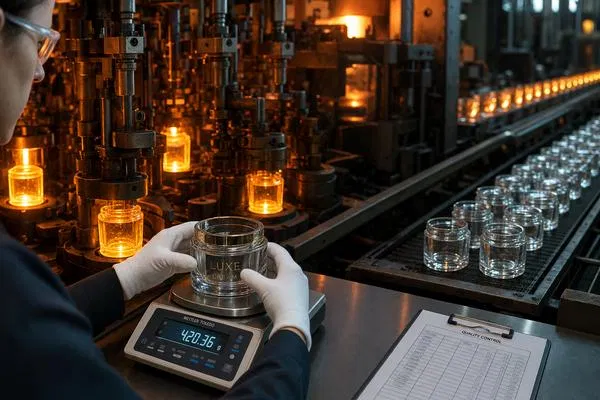
As glass walls and bases become thicker, the cooling time in the manufacturing mold increases. If the cooling process (annealing) is not precisely controlled, the glass can develop internal thermal stress, making it prone to cracking under normal use conditions. Furthermore, thick-walled glass is subject to higher dimensional shrinkage during cooling. A variance of even ±0.5mm in the neck diameter can cause cap liners to compress unevenly, leading to product leakage or “wet-out” — where cream migrates into the bottle threads. GlassyPack utilizes automated optoelectronic inspection systems to verify that every thick-walled bottle meets a strict ±0.2mm tolerance standard.
Ensuring Surface Durability
Matte finishes and frosted coatings must be highly durable to withstand the chemical ingredients of cosmetics, particularly essential oils and alcohol-based perfumes. Low-grade frosted coatings can peel or scratch during transit or daily use. Industrial-grade chemical acid etching permanently restructures the glass surface, ensuring the matte texture never fades, scratches, or reacts with the cosmetic formula inside.
Balancing Weight and Sustainability
In 2026, brands face the dual challenge of delivering luxury weight while meeting sustainability goals. This challenge can be solved by offering Post-Consumer Recycled (PCR) glass options for heavy-wall containers. By incorporating up to 50% PCR glass into thick-walled molds, brands can deliver the heavy, premium haptic experience consumers expect while significantly reducing their carbon footprint and aligning with global circular economy standards.
Conclusion: The Soft Power of Sensory Packaging
In the modern beauty industry, packaging is no longer just a container — it is an active participant in the product experience. The weight, sound, and touch of a glass bottle are powerful, non-verbal communicators of your brand’s quality, heritage, and efficacy. By investing in sensory glass engineering, beauty brands can transcend the digital noise and establish a tangible, unforgettable presence on the consumer’s vanity.
As you plan your next product launch or packaging upgrade, the perfect bottle must satisfy the hand as much as it pleases the eye. Ensuring that your custom weight, surface texture, and closure specifications are executed with absolute precision — from initial 3D design to final bulk delivery — is the difference between packaging that is merely seen and packaging that is truly felt.
Ready to elevate your brand’s haptic experience? Contact the packaging engineers at GlassyPack to discuss custom thick-walled molds, advanced matte finishes, and precision closures. Request your sensory sample kit by emailing us at sales@glassypack.com or visiting our Contact Us page.
[1] Tactile Sensory Packaging Trends in the Global Beauty Market, Cosmetics & Toiletries Magazine, May 2025.
[2] Haptic Perception and Consumer Behavior: The Influence of Tactile Sensations on Product Evaluation, Journal of Consumer Psychology, Vol. 34, No. 2, 2024.
[3] The Effect of Container Weight on Product Quality Perception and Price Willingness-to-Pay, Journal of Consumer Research, Vol. 51, No. 3, 2024.
[4] Thermal Insulation Properties of Thick-Walled Glass Packaging for Sensitive Cosmetic Formulations, International Journal of Cosmetic Science, 2025.
[5] Stress Analysis and Annealing Optimization for Thick-Walled Glass Containers, Glass Technology: European Journal of Glass Science and Technology, 2025.
[6] Incorporating Post-Consumer Recycled (PCR) Glass in Luxury Cosmetics Packaging: Life Cycle Assessment and Haptic Performance, Journal of Cleaner Production, Vol. 412, 2026.