Why would a global food giant revert to glass packaging after decades of using plastic squeeze bottles? In May 2026, Kraft Heinz made headlines by bringing back its iconic eight-sided glass ketchup bottle to Walmart shelves to celebrate its 157th anniversary. This move is more than just a nostalgic marketing campaign; it signals a broader shift in consumer preferences toward premium, sustainable packaging. This article breaks down the psychology behind the return of the glass ketchup bottle and explains how food brands can leverage custom glass jars to elevate their market positioning.
The Return of the Iconic Glass Bottle
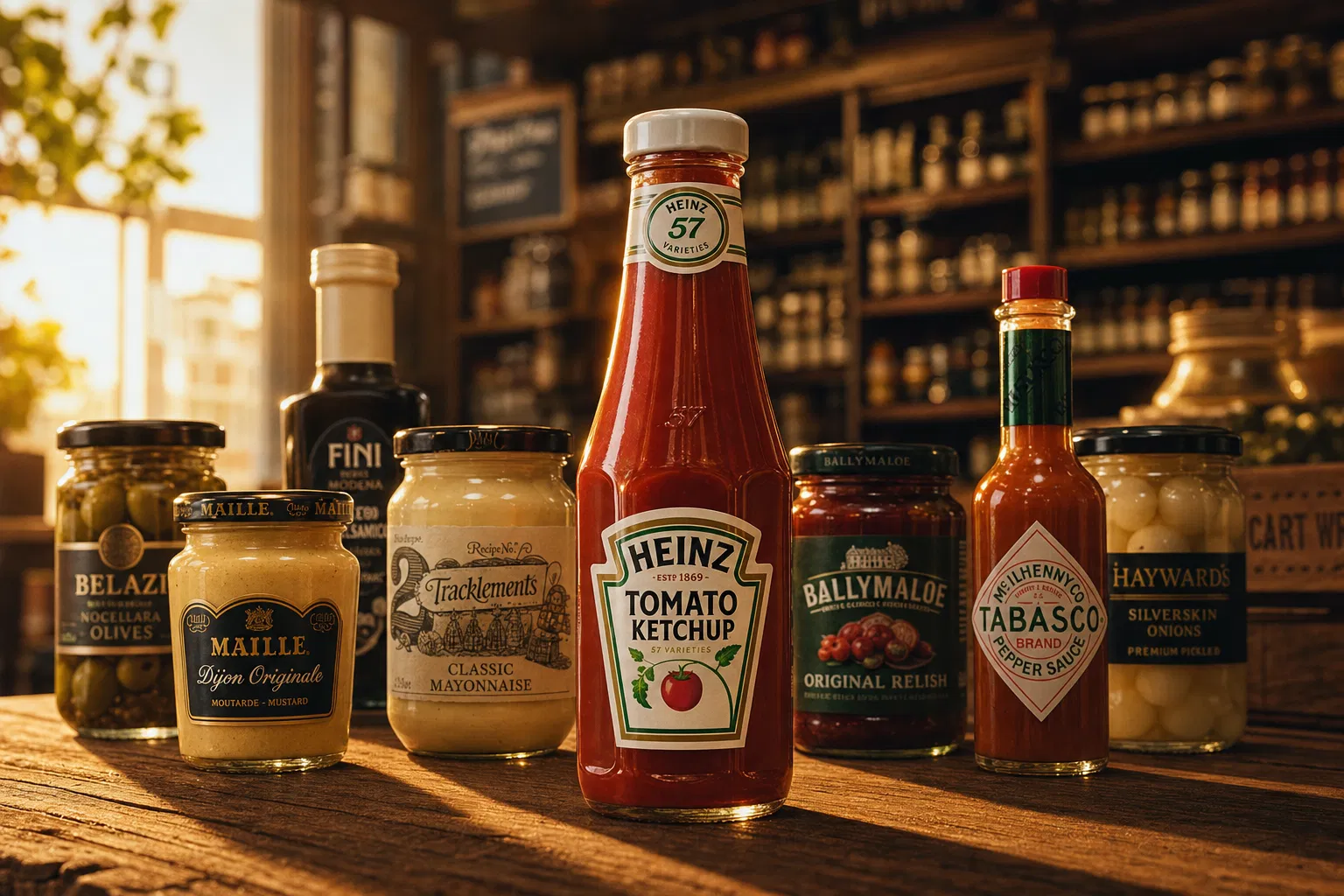
A strategic bet on premium condiments. The reintroduction of the Heinz glass ketchup bottle comes at a pivotal time for the company. Kraft Heinz is currently doubling down on its condiments and sauces category, which accounts for approximately 45% of its total sales. With the CEO committing a $600 million investment to revitalize the brand, the limited-run glass bottle exclusively at Walmart serves as a powerful anchor for this campaign [1]. The 14-ounce, eight-sided bottle — the same design Heinz discontinued around 1983 — sold for $2.50 per unit and reportedly flew off shelves within days of the May 20 launch.
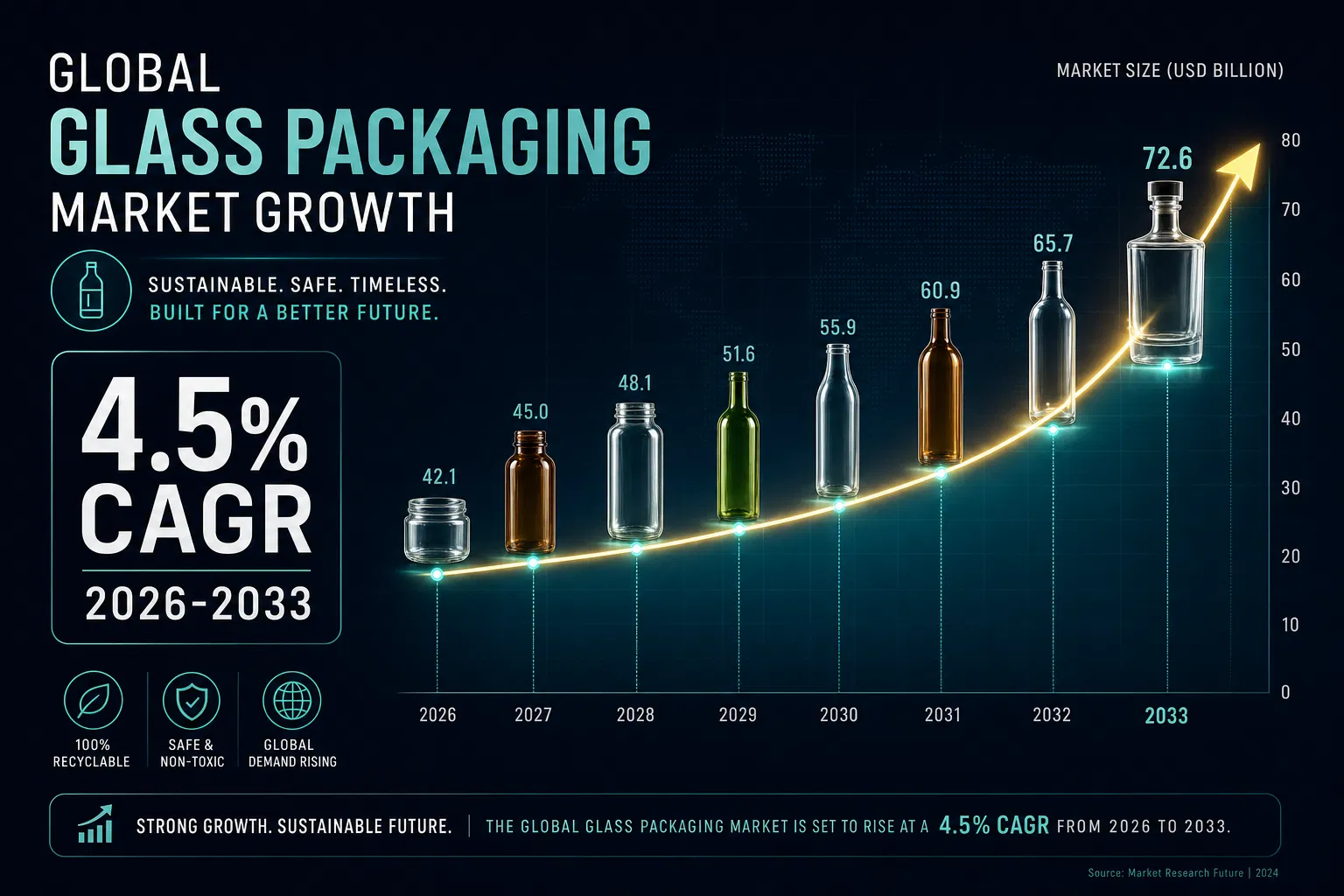
Consumer sentiment is driving the shift. Beyond corporate strategy, this move taps into deep-seated consumer insights. Today’s shoppers are increasingly concerned about microplastic contamination and are seeking more “pure” food experiences. Furthermore, glass packaging holds an undeniable visual appeal on retail shelves that plastic simply cannot match. According to a McKinsey survey of 1,000 U.S. consumers, glass is consistently ranked as the most sustainable packaging substrate, far ahead of plastics [2]. This aligns with the projected growth of the global glass packaging market, which is expected to see a 4.5% CAGR through 2033, driven primarily by premiumization and sustainability mandates [3].
The Psychology of Premium Condiment Packaging
Material communicates quality before a single word is read. The material used to package a product profoundly influences how consumers perceive its quality. Glass packaging inherently communicates a sense of luxury, trust, and authenticity. Because glass is heavier than plastic, it subconsciously signals to the buyer that the product inside is more substantial and valuable. This tactile experience, combined with the transparency that allows consumers to see exactly what they are purchasing, builds immediate trust at the point of sale [4].
A Glimpse into Brand History: The famous “57” embossed on the neck of the Heinz glass bottle is not a random number — founder Henry Heinz considered it his lucky number. More interestingly, tapping the glass bottle precisely on the “57” marking is the optimal physical method to get the thick ketchup to flow smoothly. This unique “opening ritual” creates a memorable, tactile brand experience that plastic squeeze bottles simply cannot replicate. It is a reminder that great packaging design can become part of a brand’s cultural identity.
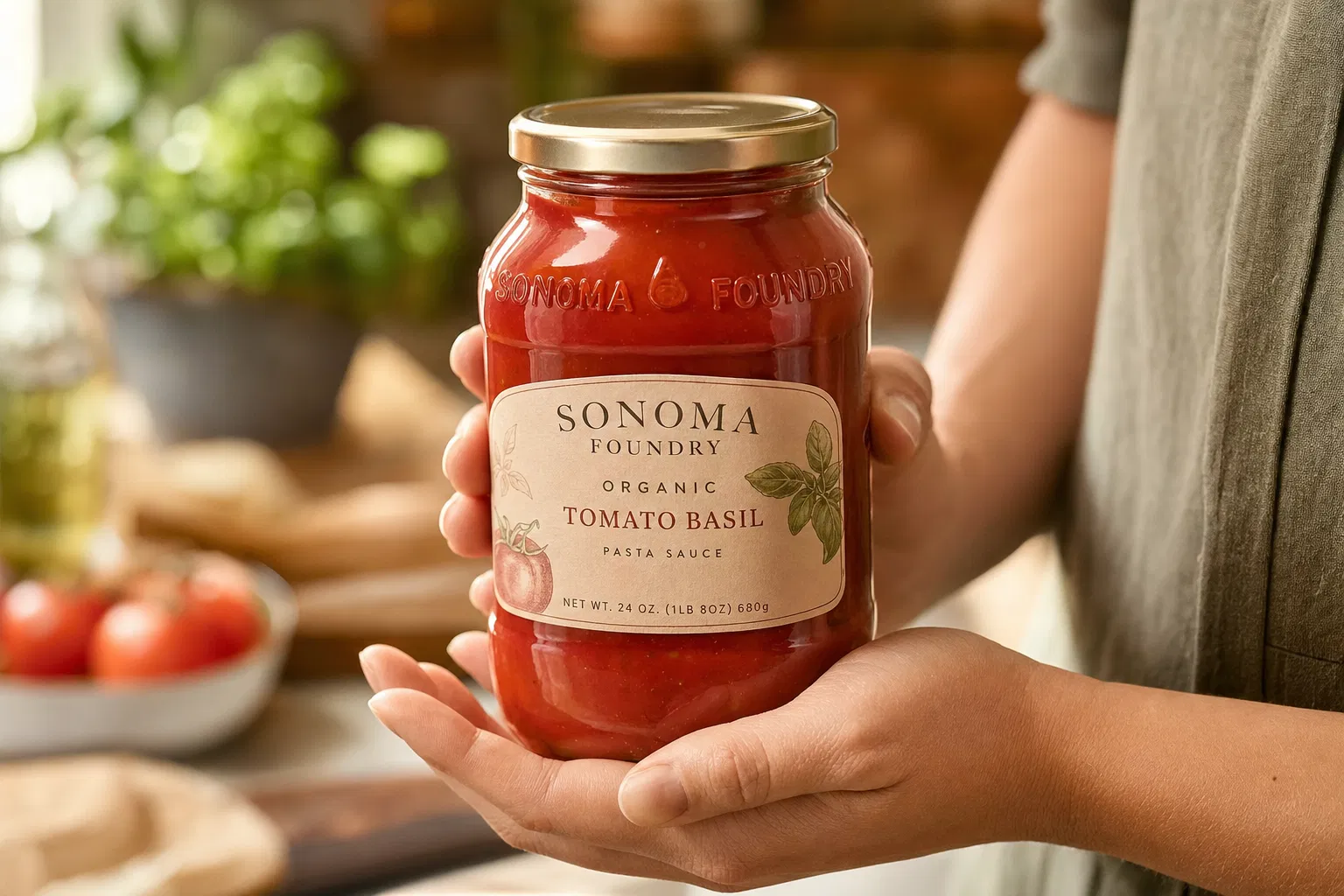
Glass elevates the perceived value of what is inside. For modern food brands, this psychological connection is a powerful commercial tool. Whether it is a gourmet hot sauce, artisanal honey, or organic jam, presenting the product in a glass container elevates it from a commodity to a premium culinary item. Consumers consistently associate glass packaging with traditional, less processed, and higher-quality ingredients, making it the preferred choice for brands looking to justify a higher price point and build long-term customer loyalty.
Elevating Your Sauce Brand with Custom Glass Jars
Functional advantages that go beyond aesthetics. For procurement managers and brand owners, the shift toward glass packaging offers distinct operational and marketing advantages. From a functional standpoint, the chemical inertness of glass ensures that the flavor profile of delicate sauces and condiments remains completely unaltered by packaging migration — a concern that is increasingly relevant as consumer awareness of plastic leaching grows. Additionally, the superior barrier properties of glass provide excellent protection against oxygen and moisture, effectively extending the product’s shelf life without the need for additional preservatives.
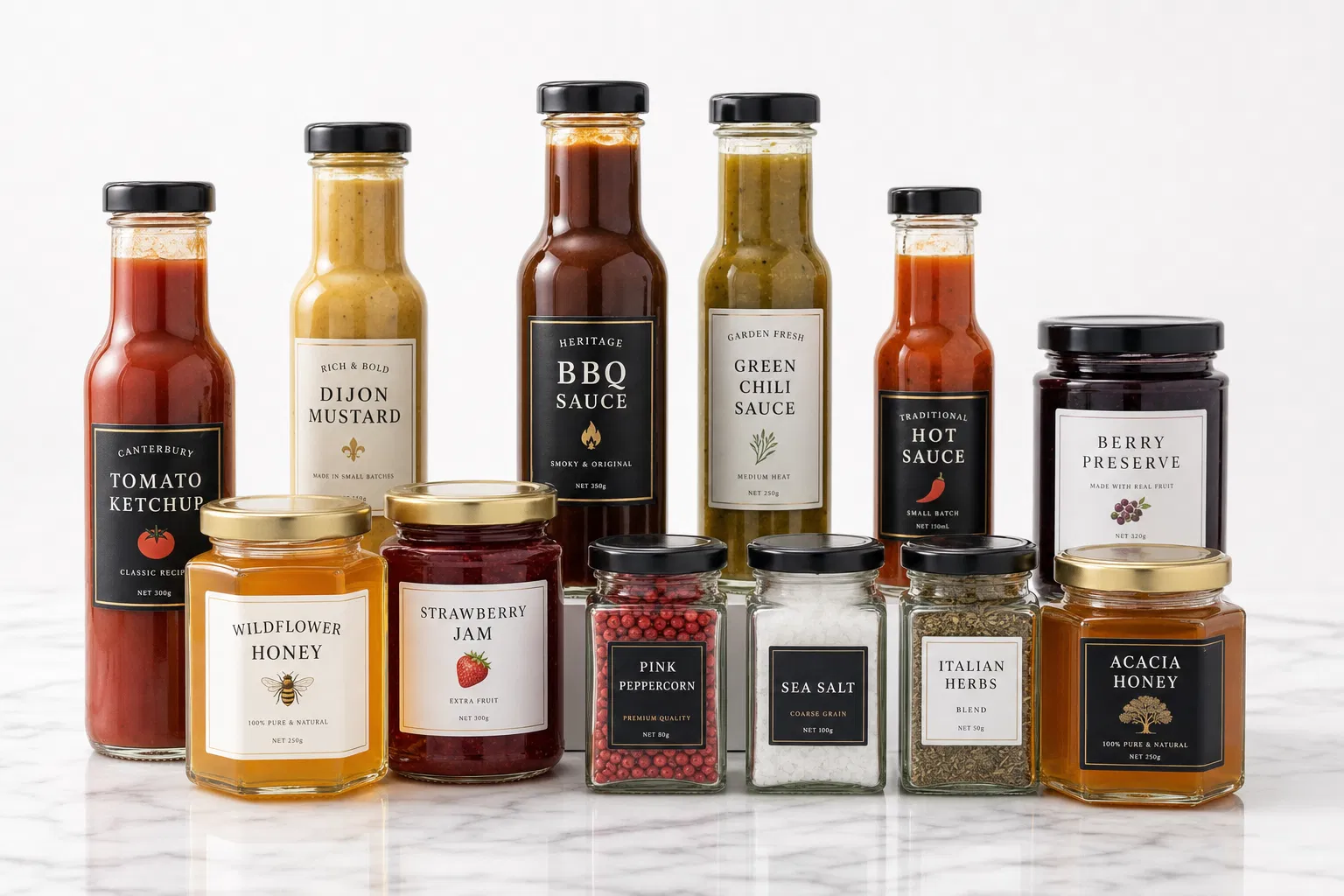
Customization is the real competitive advantage. Standard off-the-shelf jars get your product to market, but custom shapes, distinctive colors, and specialized embossing establish a unique visual identity that consumers recognize instantly on a crowded shelf. When evaluating glass packaging options for your next product line, the following comparison illustrates the key differences between common packaging choices.
| Packaging Feature | Standard Plastic Bottle | Standard Glass Jar | Custom Glass Jar |
|---|---|---|---|
| Perceived Value | Low to Medium | High | Premium / Luxury |
| Flavor Protection | Moderate (potential migration) | Excellent (chemically inert) | Excellent (chemically inert) |
| Brand Differentiation | Low | Moderate | High (unique shape, embossing) |
| Sustainability Perception | Low (consumer concern over microplastics) | High (infinitely recyclable) | High (infinitely recyclable) |
| Shelf Life Extension | Moderate | Excellent (superior O₂ barrier) | Excellent (superior O₂ barrier) |
Conclusion: The Clear Choice for Market Leaders
In an increasingly competitive food market, packaging material is a definitive statement of brand values. The return of the Heinz glass ketchup bottle highlights a clear industry trajectory: consumers are gravitating toward packaging that delivers a premium experience, ensures product purity, and aligns with sustainable practices. When an industry leader makes such a deliberate pivot back to glass after more than four decades, it serves as a compelling signal for emerging and established food brands alike to evaluate their own packaging strategies.
If you are looking to upgrade your condiment or sauce packaging to reflect the true quality of your product, we would be glad to share how GlassyPack can support your transition with high-quality, food-grade glass solutions. Contact us today at sales@glassypack.com or visit our Contact Us page to explore custom jar designs tailored for your brand.
References
[1] Yahoo Finance / Quartz. (2026, May 20). Heinz glass ketchup bottle returns to Walmart for 157th anniversary. https://finance.yahoo.com/markets/stocks/articles/heinz-glass-ketchup-bottle-returns-145056476.html
[2] Packaging Dive. (2025, June 11). How much do consumers really care about sustainable packaging?. https://www.packagingdive.com/news/consumer-sentiment-survey-packaging-sustainability-mckinsey/750301/
[3] Coherent Market Insights. (2024). Glass Packaging Market Size and YoY Growth Rate, 2026–2033. https://www.coherentmarketinsights.com/market-insight/glass-packaging-market-407
[4] Valet Packaging. (2025, January 23). The Psychology of Glass Packaging: How It Impacts Buying Decisions. https://www.valetpackaging.ca/blog/valet-packaging-blogs-7/the-psychology-of-glass-packaging-how-it-impacts-buying-decisions-34