By GlassyPack Export Team
Is your premium Vitamin C serum degrading before it even reaches the consumer’s skin because of the wrong packaging choice? In the highly competitive 2026 skincare market, the formulation of a serum is only half the battle. The other half is the packaging. A glass dropper bottle is not merely a vessel; it is a functional tool that dictates dosage, a protective barrier against environmental degradation, and the primary tactile experience your customer has with your brand. Choosing the wrong bottle can lead to oxidized ingredients, leaky closures, and a cheapened brand perception. This comprehensive guide will walk you through the critical factors you must consider when selecting the perfect glass dropper bottle for your skincare line, ensuring your product remains potent, safe, and luxurious.
The Science of Glass: Protecting Active Ingredients
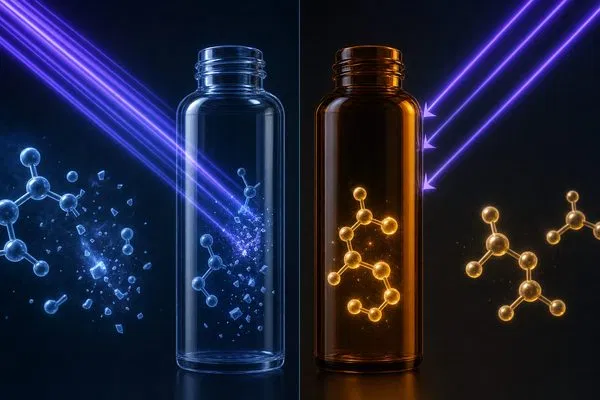
The primary function of any skincare packaging is to protect the integrity of the formulation inside. Many modern serums contain highly active, unstable ingredients like Vitamin C (L-ascorbic acid), Retinol, and various peptides. These compounds are notoriously sensitive to light, oxygen, and temperature fluctuations. When exposed to ultraviolet (UV) light, these ingredients can rapidly oxidize, turning a potent serum into an ineffective, brownish liquid. This is where the color and quality of the glass become paramount.
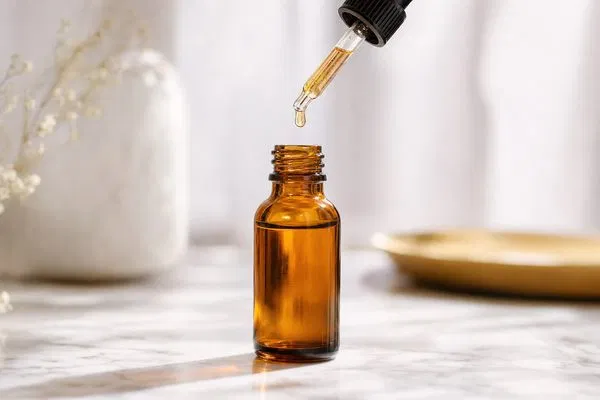
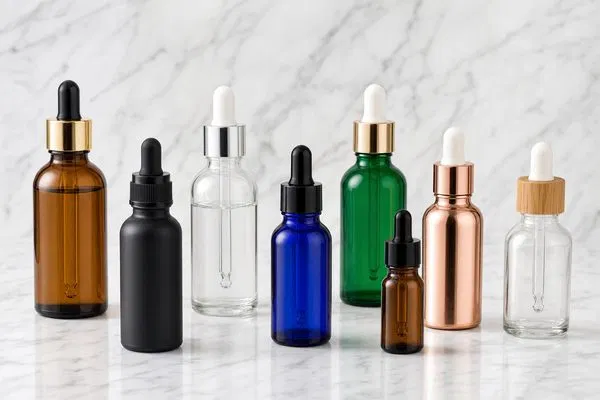
Clear glass (flint glass) is beautiful and allows the consumer to see the product, but it offers zero protection against UV rays. It should only be used for highly stable formulations, such as basic hyaluronic acid or simple hydrating oils. For active serums, amber glass is the industry standard. Amber glass naturally filters out blue and ultraviolet light, providing a crucial shield that extends the shelf life of light-sensitive ingredients. Cobalt blue and emerald green glass also offer some UV protection, though generally less than amber, and are often chosen for their distinct aesthetic appeal.
Beyond color, the chemical composition of the glass itself matters. Most cosmetic bottles are made from Type III soda-lime glass, which is perfectly suitable for the vast majority of skincare products. However, for highly acidic or alkaline formulations, or products requiring extreme purity, Type I borosilicate glass might be necessary. Borosilicate glass is highly resistant to chemical leaching, ensuring that no trace elements from the glass interact with your serum. When discussing your needs with a supplier, always provide the pH level and key active ingredients of your formulation so they can recommend the appropriate glass type.
Finally, consider the thickness of the glass. A thicker wall not only feels more luxurious and substantial in the hand but also provides better insulation against minor temperature changes during shipping and storage. It also significantly reduces the risk of breakage. For premium brands, a heavy-base glass bottle is a subtle but powerful way to communicate quality before the product is even used. For more insights on how glass packaging impacts brand perception, you can read our latest industry analysis.
Deconstructing the Dropper Assembly: Precision and Compatibility
A glass dropper bottle is a system composed of three distinct parts: the glass bottle, the closure (cap), and the dropper assembly (pipette and bulb). The dropper assembly is the functional heart of the packaging, and its design directly impacts the user experience. The first consideration is the material of the bulb. The most common materials are natural rubber, nitrile, and silicone. Natural rubber is cost-effective but can degrade over time when exposed to certain essential oils or harsh chemicals. Silicone is highly durable, chemically inert, and offers a premium, soft-touch feel, making it the preferred choice for high-end serums.
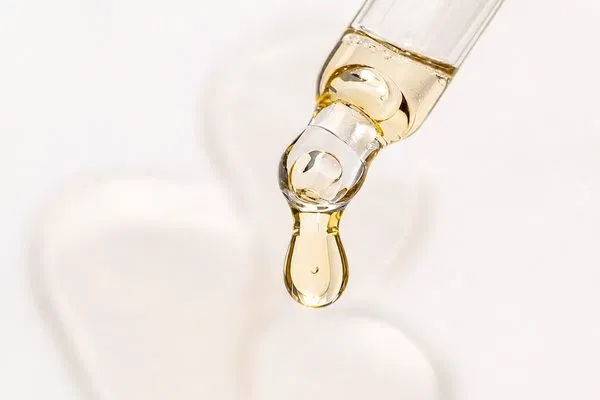
The pipette (the glass tube) must be precisely calibrated to the viscosity of your serum. A thick, viscous facial oil requires a pipette with a wider tip opening to allow the product to flow easily. Conversely, a watery, lightweight serum needs a narrower tip to prevent the product from dripping out uncontrollably before the user squeezes the bulb. The length of the pipette is equally critical; it must reach just above the bottom of the bottle to allow the consumer to extract the maximum amount of product without resting flat on the glass, which would block the suction.
Compatibility between the dropper assembly and the serum formulation is a frequent point of failure. Certain aggressive ingredients can cause the rubber bulb to swell, shrink, or even dissolve, leading to leaks and contamination. It is absolutely essential to conduct compatibility testing. This involves filling the chosen bottle and dropper assembly with your actual formulation and subjecting it to accelerated aging tests (usually at elevated temperatures) for several weeks to observe any physical or chemical changes. Never skip this step, as a leaking product will instantly destroy consumer trust.
Furthermore, the closure mechanism must provide a secure, airtight seal. The neck finish of the bottle (e.g., 18/415 or 20/400) must perfectly match the threading of the dropper cap. A mismatch, even by a fraction of a millimeter, will result in a product that leaks during transit or allows oxygen to seep in, ruining the formulation. High-quality suppliers use precise molds and rigorous quality control to ensure the neck finish and cap threading are perfectly aligned.
A Glimpse into Glass History: The modern glass dropper, or pipette, traces its origins back to the 19th century when French chemist Louis Pasteur invented the “Pasteur pipette” to transfer small quantities of liquids without contamination. Originally a purely scientific instrument, its precision and hygiene made it the perfect tool for the burgeoning cosmetics industry in the 20th century, transforming how concentrated serums were applied.
Customization: Elevating Your Brand Identity
In a saturated market, your packaging must stand out on the shelf and on social media. Customization is how you transform a standard glass bottle into a proprietary brand asset. The most common and cost-effective customization is color coating. While amber glass is functional, you can achieve UV protection and a unique look by applying an opaque or semi-translucent color spray to a clear glass bottle. Matte finishes (frosting) are particularly popular in 2026, offering a sophisticated, tactile experience that resists fingerprints.
Printing techniques allow you to apply your branding directly to the glass, eliminating the need for paper or plastic labels that can peel or degrade in humid bathroom environments. Silk screen printing is excellent for bold, solid colors and crisp text. For metallic accents, hot stamping (applying gold, silver, or rose gold foil) adds a touch of undeniable luxury. If your design features complex gradients or photographic elements, decal application (water transfer printing) is the best approach. It is crucial to work with a supplier who understands how different printing inks interact with various glass coatings to ensure durability.
The dropper collar (the rigid part of the cap) offers another opportunity for customization. Standard collars are usually made of plastic (PP or PET), but they can be metallized to look like shiny gold or silver. For a truly premium feel, consider an aluminum overshell collar, which adds weight and a genuine metallic finish. You can also customize the collar with a matte finish, a custom color to match your brand palette, or even a wood-grain texture for a natural, organic aesthetic.
When planning your customization, always consider the Minimum Order Quantity (MOQ). Standard clear or amber bottles might have an MOQ of 2,000 pieces, but custom color spraying or printing often pushes the MOQ to 5,000 or 10,000 pieces. If you are a startup, you might need to balance your desire for a fully custom look with your initial budget constraints. A smart strategy is to use a standard bottle color but invest in a highly customized, premium label and a unique dropper collar. For more dropper bottle recommendation, see our guide on glass essential oil bottles.
| Customization Technique | Best Used For | Considerations |
|---|---|---|
| Color Spraying (Matte/Gloss) | Creating unique brand colors, adding UV protection to clear glass | Can scratch if not cured properly; increases MOQ |
| Silk Screen Printing | Crisp logos, text, and solid color designs directly on glass | Limited to 1-3 colors usually; highly durable |
| Hot Stamping (Foil) | Adding luxury metallic accents (gold, silver, copper) | More expensive than silk screen; requires a smooth surface |
| Metallized Collars | Elevating the look of the dropper assembly | Ensure the metallization process resists essential oils |
Conclusion: Making the Right Choice for Your Brand
Choosing the perfect glass dropper bottle is a critical decision that impacts the efficacy of your serum, the user experience, and the overall perception of your brand. By understanding the science of glass protection, demanding precision in the dropper assembly, and strategically utilizing customization options, you can create packaging that not only protects your formulation but also delights your customers.
At GlassyPack, we understand the nuances of cosmetic packaging and have helped numerous brands navigate these choices to find their perfect bottle. If you are ready to elevate your skincare line with premium glass packaging, we are here to help. Contact us today at sales@glassypack.com or visit our Contact Us page to discuss your project and request samples.