Are you struggling to balance the rising costs of premium candle packaging with the strict safety requirements of the US and EU markets? In 2026, the home fragrance market continues to expand, but so do the complexities of global sourcing. For candle brands, the glass jar is not just a container; it is a critical safety component, a brand ambassador, and often the most expensive part of the physical product. Navigating the Chinese manufacturing landscape to find reliable, heat-resistant, and aesthetically perfect glass candle jars requires more than just a quick search on a B2B platform. This comprehensive guide breaks down everything you need to know about sourcing glass candle jars from China, from understanding Minimum Order Quantities (MOQs) and pricing structures to mastering quality control and customization processes.
Understanding the Chinese Glass Manufacturing Landscape in 2026
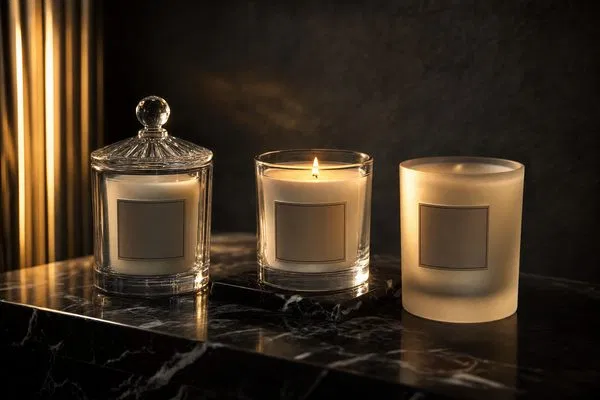
The glass manufacturing industry in China is vast, but it is highly segmented. Not all glass factories are equipped to produce candle jars. A factory that excels at making thin-walled beverage bottles may completely fail at producing the thick-based, heat-resistant jars required for candles. Understanding this distinction is the first step in successful sourcing. Candle jars require specific annealing processes to ensure they can withstand the intense, localized heat of a burning wick without shattering. When evaluating potential suppliers, it is crucial to ask specifically about their experience with home fragrance brands and their testing protocols for thermal shock.
Furthermore, the industry is geographically clustered. Regions like Xuzhou in Jiangsu province and certain areas in Shandong are known hubs for glass packaging. However, the quality and specialization can vary wildly even within these hubs. In 2026, we are seeing a clear divide between factories that have upgraded to automated, high-precision inspection equipment and those still relying entirely on manual sorting. For premium brands, partnering with a supplier that utilizes automated optical inspection (AOI) for wall thickness and micro-fractures is becoming non-negotiable to prevent catastrophic failures in the hands of consumers.
Another critical factor is the supply chain for raw materials. The quality of the silica sand, soda ash, and limestone directly impacts the clarity and strength of the final jar. High-end candle brands often require “super flint” or “extra clear” glass, which demands purer raw materials and stricter furnace controls. When discussing your requirements with a supplier, specifying the exact grade of glass clarity is essential, as “standard clear” may have a slight greenish or bluish tint that becomes obvious when filled with white wax.
Finally, the geopolitical and economic shifts of recent years have influenced production lead times. While China remains the dominant force in glass manufacturing, smart buyers are factoring in slightly longer buffer times for shipping and potential port congestions. Building a relationship with a supplier who understands international logistics and can provide accurate, realistic lead times is just as important as the manufacturing quality itself. For more insights on navigating these supply chain nuances, you can review our latest industry updates.

Decoding MOQ and Pricing Structures for Candle Jars
Minimum Order Quantity (MOQ) is often the biggest hurdle for emerging candle brands. In the glass industry, MOQs are dictated by the physics of the manufacturing process. Heating a massive furnace and setting up the molds for a specific jar shape is incredibly energy-intensive and time-consuming. Therefore, factories must produce a certain volume to make the run economically viable. For standard, off-the-shelf shapes (like the classic straight-sided tumbler), MOQs can be relatively low, sometimes starting around 5,000 to 10,000 pieces, because the factory runs these shapes continuously.
However, if you require a custom shape (a proprietary mold), the MOQ changes dramatically. Custom molds typically require a production run of 100,000 to 200,000 pieces. This is because the factory must halt production, install your specific mold, calibrate the machinery, and then run the glass. The cost of the mold itself is usually a separate, upfront fee, which can range from $2,000 to $10,000 depending on the complexity. Many suppliers will refund this mold fee once your cumulative orders reach a certain threshold (e.g., 100,000 pieces).
Pricing is influenced by several variables beyond just the raw material. The weight of the glass is a primary driver; a heavy-base luxury jar will cost significantly more than a thin-walled vessel because it uses more material and takes longer to cool. Post-processing techniques, such as color spraying, frosting, or hot stamping, add both cost and complexity. A clear jar might cost $0.30, but adding a matte black spray and a gold foil logo could push the price to $0.65 or more. It is vital to get an itemized quote that breaks down the cost of the raw jar, the lid, the finishing processes, and the packaging.
When negotiating, remember that volume is your strongest leverage. If you cannot meet the high MOQ for a custom mold, consider choosing a high-quality standard shape and investing your budget into unique post-processing and premium lids. This approach allows you to achieve a custom look without the massive upfront inventory commitment. For a deeper dive into the different candle jars, check out our guide on glass candle jars.
A Glimpse into Glass History: The concept of the modern glass candle jar is relatively recent. For centuries, candles were primarily utilitarian, made of tallow, and burned on open holders. It wasn’t until the mid-20th century, with the rise of scented, softer waxes that required containment to pool properly, that the heat-resistant glass jar became an essential component of the candle industry, transforming it from a necessity into a luxury home decor item.
Mastering Quality Control and Safety Standards
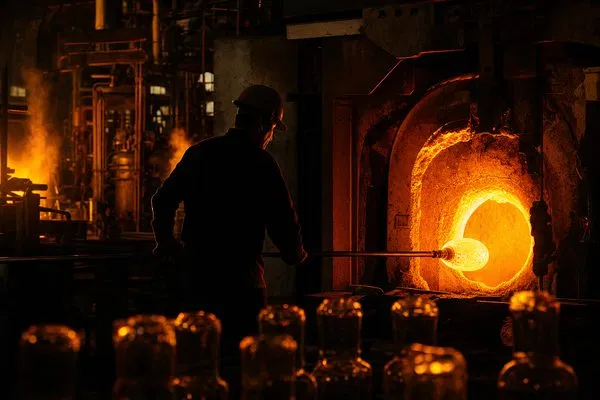
When it comes to candle jars, quality control is not just about aesthetics; it is a matter of safety. A defective jar can shatter when the candle burns down, causing fires or injuries. Therefore, your sourcing strategy must include rigorous QC protocols. The most critical test for a candle jar is the Thermal Shock Test. This involves heating the jar to a specific temperature and then rapidly cooling it (often by plunging it into cold water) to ensure it does not crack.
Another vital metric is wall thickness uniformity. If the glass is significantly thinner on one side, that area will heat up faster when the candle is lit, creating stress points that lead to breakage. High-quality suppliers use automated systems to measure wall thickness, but you should also specify your tolerance limits in your purchase agreement. For premium candles, a heavy, even base is also crucial to prevent the heat of the final half-inch of wax from transferring directly to the consumer’s furniture.
Aesthetic QC is also important for brand perception. Common defects in glass manufacturing include “seeds” (tiny air bubbles trapped in the glass), “cords” (visible lines or streaks of different density), and “shear marks” (scars left from the cutting of the molten glass). While minor imperfections are inherent to glassmaking, you must define what is acceptable. Creating a “Defect Limit Document” with your supplier before production begins ensures everyone is on the same page regarding acceptable quality levels (AQL).
Finally, consider third-party inspections. Hiring an independent inspection agency (like SGS or Bureau Veritas) to check the goods before they are loaded onto the shipping container is a standard practice for experienced importers. They will pull random samples, check them against your specifications, and perform basic stress tests. This step adds a small cost but provides immense peace of mind, ensuring you don’t pay for a container full of unusable jars.
| QC Checkpoint | Why It Matters | Standard Testing Method |
|---|---|---|
| Thermal Shock Resistance | Prevents shattering during burning | Oven heating followed by cold water plunge (ΔT test) |
| Wall Thickness Uniformity | Prevents uneven heating and stress fractures | Automated optical inspection or manual caliper measurement |
| Annealing Quality | Removes internal stress from the manufacturing process | Polariscope examination to detect stress patterns |
| Aesthetic Clarity (Seeds/Cords) | Maintains premium brand perception | Visual inspection against agreed Acceptable Quality Limits (AQL) |
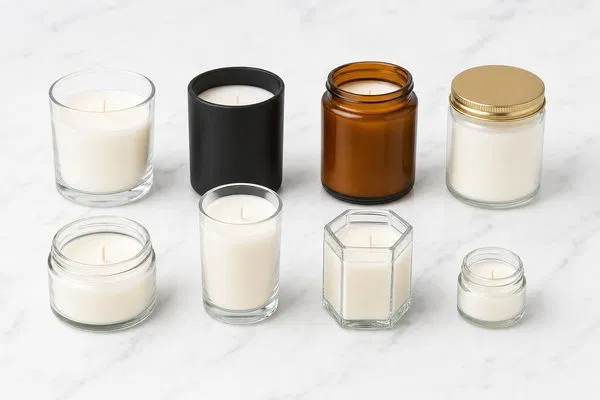
Once you have secured a high-quality, safe glass jar, the next step is customization. The finish of the jar is what truly differentiates your brand on the shelf. Popular techniques include color spraying (which can be glossy, matte, or translucent), frosting (acid etching for a soft, diffused look), and electroplating (for metallic finishes). When sourcing from China, it is highly recommended to have the factory handle both the glass production and the post-processing. Moving raw jars to a secondary facility for painting increases the risk of breakage, contamination, and delays.
Printing your logo or design directly onto the glass is another critical decision. Silk screen printing is the most common and durable method, ideal for solid colors and crisp text. For more complex, multi-color designs, decal application (water transfer printing) might be necessary. Always request pre-production samples (PPS) of the fully decorated jar before approving the mass production run. The color of a spray or the crispness of a print can look very different on a physical curved glass surface compared to a digital mockup.
Lids are an integral part of the candle jar assembly. Whether you choose metal (tinplate or zinc alloy), wood (bamboo, pine, or acacia), or glass, the fit must be perfect. A lid that is too tight can crack the jar, while one that is too loose will fall off and fail to preserve the fragrance. Ensure your supplier tests the specific lid with the specific jar batch, as glass dimensions can have slight tolerances. If you are sourcing lids from a different supplier than the jars, you must send physical jar samples to the lid manufacturer to guarantee a proper fit.
Finally, do not overlook the export packaging. Glass is heavy and fragile. Standard export cartons must be made of strong, double-wall corrugated cardboard. Inside, the jars should be separated by sturdy dividers (egg-crate style) to prevent them from clinking together during transit. For premium or heavy jars, individual bubble wrapping or custom molded pulp inserts might be necessary. Discuss the packaging specifications in detail with your supplier, as poor packaging can negate all your careful quality control efforts during the long sea voyage.
Conclusion: Building a Reliable Sourcing Partnership
Importing glass candle jars from China is a multi-faceted process that requires careful attention to detail, from understanding MOQs and negotiating prices to enforcing strict safety standards and managing complex customizations. By prioritizing thermal shock resistance, demanding clear QC protocols, and understanding the manufacturing constraints, you can secure premium packaging that elevates your brand and ensures consumer safety.
If you are looking for a reliable partner to navigate this process, we would be glad to share how GlassyPack manages the complexities of export-ready candle jar production. Need a custom quote or advice on your next project? Contact us today at sales@glassypack.com or visit our Contact Us page to discuss your specific requirements.