Are you keeping up with the sustainable luxury trends dominating LuxePack New York 2026? The beauty industry is undergoing a fundamental shift, with top brands demanding packaging that is simultaneously eco-conscious and uncompromisingly premium. This article breaks down the key takeaways from LuxePack NY 2026 and explains how PCR glass and lightweighting are redefining sustainable beauty packaging.
Key Takeaways from LuxePack NY 2026
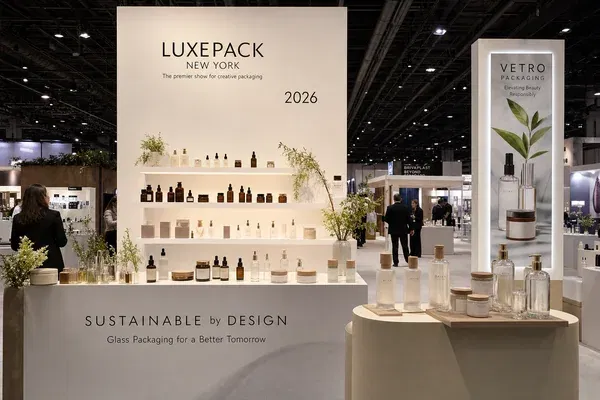
Decarbonization Takes Center Stage. The dominant theme at the Javits Center this year was clear: decarbonization and circular economy principles are no longer optional. Sustainable glass solutions attracted significant buyer attention, reflecting a broader industry mandate to reduce environmental impact. Brands are actively seeking packaging partners who can deliver measurable sustainability metrics without sacrificing the luxury aesthetic.
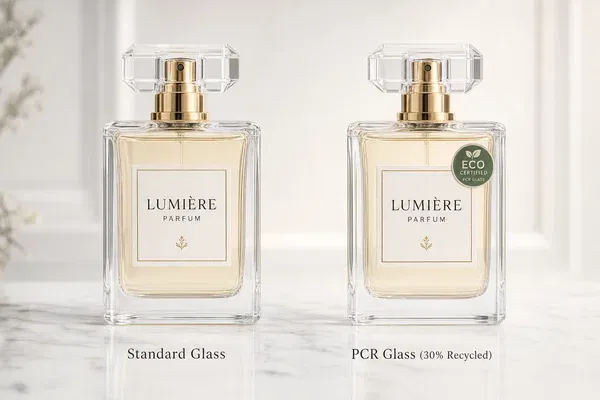
PCR Glass Goes Mainstream. Post-Consumer Recycled (PCR) glass is setting a new benchmark for verified recycled content in cosmetic packaging. SGD Pharma showcased their 20% and 30% PCR glass bottles, produced at their China facility with ISO 14021 certification [1]. This development proves that high-quality, luxury-grade glass can be achieved while significantly incorporating recycled materials.
Lightweighting as a Sustainability Lever. Reducing the weight of glass packaging is a powerful strategy for lowering carbon footprints. The NOVA range demonstrated that up to a 20% reduction in CO₂ emissions is achievable through optimized glass distribution and weight reduction. Crucially, this is accomplished without compromising the structural integrity or the visual appeal that luxury consumers expect.
The Challenge of Sustainable Luxury
The Clarity Trade-off. For decades, luxury beauty relied on heavy, virgin glass to convey prestige. Incorporating recycled glass content can sometimes affect optical clarity, a critical quality attribute for premium fragrance bottles where the liquid’s color is part of the luxury experience. Balancing recycled content with pristine clarity remains a key technical challenge for manufacturers.
The Weight Paradox. Lightweighting reduces carbon footprint and shipping costs, but it conflicts with the consumer psychology that equates bottle weight with quality and value. Brands must navigate this paradox by using innovative design and surface treatments to maintain a premium feel even when the physical weight of the packaging is reduced.
The Certification Maze: Buyers today need to navigate complex frameworks like ISO 14021, EcoVadis, and SBTi to make credible sustainability claims. Without verified certifications, brands risk exposure to greenwashing accusations in an increasingly regulated market.
GlassyPack’s Solutions for Eco-Friendly Beauty Brands
Sustainable Manufacturing Practices. GlassyPack is committed to aligning with industry decarbonization goals through energy efficiency measures and responsible sourcing. We understand that sustainable packaging starts at the manufacturing level, and we continuously invest in technologies that reduce our environmental footprint while maintaining high production standards.
Eco-Friendly Decoration Techniques. Achieving a luxury finish doesn’t have to mean compromising on recyclability. We offer advanced decoration options, including PVD (Physical Vapor Deposition), water-based lacquering, and eco-friendly screen-printing. These techniques deliver stunning visual effects while remaining compatible with standard glass recycling processes.
| Sustainability Strategy | Environmental Benefit | Luxury Impact |
|---|---|---|
| PCR Glass Integration | Reduces virgin material use and energy consumption | Maintains premium feel with verified eco-credentials |
| Lightweighting | Lowers CO₂ emissions during production and transport | Requires innovative design to retain perceived value |
| Eco-Friendly Decoration | Ensures end-of-life recyclability | Delivers high-end finishes without toxic chemicals |
Conclusion: The Future is Sustainable Luxury
Sustainability is no longer a differentiator for luxury beauty brands — it’s a baseline expectation. The innovations showcased at LuxePack NY 2026 signal clearly where the industry is heading. Brands that proactively adopt PCR glass and lightweighting strategies will not only meet regulatory demands but also resonate with the growing demographic of eco-conscious luxury consumers.
If you are developing a new cosmetic or fragrance line and want to explore sustainable glass packaging options that don’t compromise on luxury, we would be glad to share how GlassyPack can support your vision. Contact us today at sales@glassypack.com or visit our Contact Us page to discuss your next project.
References
[1] Glass Global. (2026, May 11). SGD Pharma Showcases Sustainable Glass Innovation and Decorative Excellence at LuxePack New York 2026. https://www.glassglobal.com/news/sgd-pharma-showcases-sustainable-glass-innovation-and-decorative-excellence-at-luxepack-new-york-2026-34965.html