Are your food products getting lost behind loud, cluttered packaging designs on retail shelves? In 2026, the food and beverage industry is experiencing a visual reset. Consumers are increasingly overwhelmed by “packaging noise” and are gravitating toward brands that communicate transparency through simplicity. The “clean label” movement has officially expanded from the ingredients list to the physical container itself. This article breaks down the minimalist packaging trend and explains why premium food brands are leveraging clear glass jars to let their products do the talking.
The Rise of “Unboxing Guilt” and Visual Fatigue
The shift toward minimalism is driven by two distinct consumer forces: visual fatigue and environmental consciousness. Walk down any supermarket aisle, and you are bombarded with neon colors, bold claims, and complex multi-layer plastic pouches. For modern consumers, this sensory overload often triggers skepticism rather than trust. A minimalist approach signals confidence; it suggests that the product inside is of such high quality that it does not need aggressive marketing to sell itself.
Simultaneously, the phenomenon of “unboxing guilt” is influencing purchasing decisions. Consumers are increasingly aware of the environmental footprint of complex, over-engineered packaging. When a simple condiment requires tearing through shrink wrap, a cardboard sleeve, and a plastic tub, the brand experience is compromised. Minimalist packaging directly addresses this friction by stripping away the unnecessary, aligning the brand’s physical presentation with the values of conscious consumption.

Why Glass Is the Natural Choice for Minimalist Brands
When the goal is to reduce packaging to its absolute essence, glass emerges as the ultimate minimalist material. Unlike complex composite plastics that require extensive explanation regarding their recyclability, glass is universally understood. It is a single-material solution that is 100% infinitely recyclable. Brands using glass do not need to clutter their labels with complex disposal instructions or “sustainable” badges; the material itself communicates the environmental commitment.
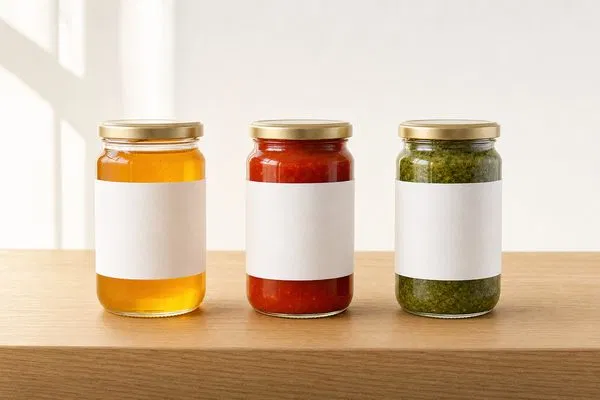
More importantly, high-clarity glass turns the food product into the primary visual asset. Whether it is the rich red of a premium pasta sauce, the golden hue of raw honey, or the vibrant textures of pickled vegetables, transparent glass allows the natural colors and textures to serve as the best possible marketing tool. In a minimalist design strategy, the container should be invisible, acting merely as a pristine window to the quality within.
A Glimpse into Glass History: The concept of using clear glass to prove food purity dates back to the mid-19th century. Before the widespread use of clear glass jars, food adulteration was rampant, and opaque containers hid spoiled or diluted goods. When commercial clear glass canning became viable, honest producers eagerly adopted it to visually prove the integrity of their products to skeptical buyers.

Practical Guide to Minimalist Glass Jar Design
Executing a minimalist packaging strategy requires precise decision-making. “Simple” does not mean “easy”; when you remove decorative elements, the fundamental quality of the remaining components becomes glaringly obvious. The shape of the jar, the clarity of the glass, and the integration of the label must be flawless. Right-sizing is the first critical step—selecting a jar capacity that perfectly matches the product volume eliminates the deceptive “slack fill” that frustrates consumers.
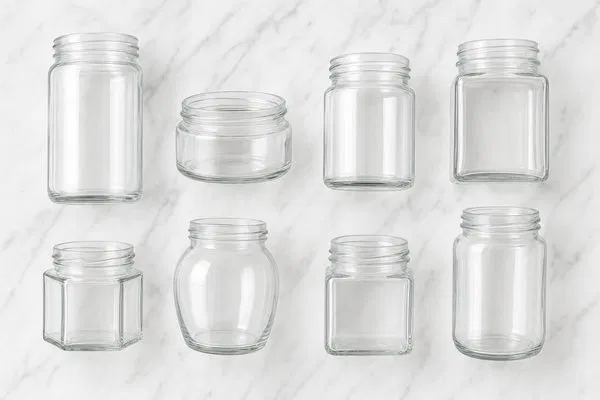
Labeling strategy is equally important. Minimalist brands often opt for small, easily removable labels or direct screen printing on the glass. This not only maintains the clean aesthetic but also encourages consumers to reuse the jars at home, extending the brand’s lifecycle. The choice of jar silhouette—whether a classic cylinder, a modern square, or a wide-mouth design for easy access—should reflect the brand’s specific identity while maintaining functional simplicity.
| Design Element | Traditional Approach | Minimalist Approach |
|---|---|---|
| Label Coverage | Full wrap-around, hiding product | Minimal footprint, maximizing visibility |
| Material Complexity | Multi-layer plastics, shrink sleeves | Single-material clear glass |
| Color Palette | Loud, high-contrast primary colors | Muted tones, letting food color dominate |
| End of Life | Complex sorting or landfill | Easy recycling or home repurposing |
Conclusion: Letting Your Product Speak for Itself
The minimalist packaging trend is a strategic return to basics. By stripping away visual clutter and complex materials, brands can communicate authenticity, quality, and environmental responsibility. Clear glass jars are the perfect vehicle for this strategy, offering a premium, transparent, and infinitely recyclable solution that modern consumers trust.
If you are building a clean, minimalist food brand and need packaging that aligns with your values, we would be glad to share how GlassyPack’s high-clarity glass jars can elevate your product presentation. Contact us today at sales@glassypack.com or visit our Contact Us page to explore our export-ready packaging solutions.