In a market flooded with fast-fashion fragrances, a quiet revolution is brewing: Slow Perfumery. And it’s changing what a perfume bottle needs to look — and feel — like. Over the past five years, the fragrance industry has undergone a profound transformation. Consumers are no longer just buying a scent; they are investing in an identity. As the $80 billion global fragrance market continues to expand, the demand for complex, long-lasting perfumes with deep storytelling is surging. This article breaks down the “Slow Perfumery” trend and explains why premium fragrance brands are upgrading to heavy-base glass bottles to capture this lucrative market shift.
What Is the “Slow Perfumery” Movement?
The fragrance market experienced rapid growth in 2025, rising 8.8% according to Euromonitor International to reach an estimated $80 billion globally [1]. But this boom has come with a side effect: a “flanker frenzy,” where brands churn out franchise additions and dupe labels at an ever-accelerating pace. In response, a meaningful counter-trend has emerged — Slow Perfumery. According to fragrance supplier Carvansons, this movement “emphasises savouring moments, connecting with scent and respecting nature, leading to more complex, long-lasting perfumes with a story” [1].
Vanita Sabnani Dalamal, Chief Consumer and AI Acceleration Officer at Puig, captures the shift well: “Fragrance has shifted from being a finishing touch to now a language for identity with self-expression for all generations, especially the younger generations.” Consumers are building fragrance wardrobes, seeking scents that evoke specific emotions or memories rather than simply smelling pleasant. This behavioral shift has direct implications for how brands must present their products — and the packaging is the first physical signal they send.
Why Packaging Is the Physical Embodiment of “Slow”
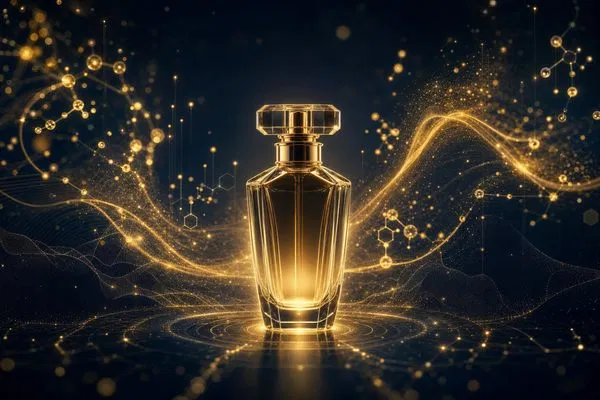
In the Slow Perfumery movement, the bottle is not a container — it is a statement. A complex, long-lasting fragrance positioned as an identity investment cannot be housed in a flimsy, lightweight container without undermining the brand’s entire proposition. The physical weight of a heavy-base glass bottle communicates value, permanence, and luxury before the consumer even removes the cap. This tactile experience is not superficial; it is a core part of the product experience.
Annalise Fard, Director of Beauty at Harrods, articulates the consumer mindset driving this: “People will shift to the other space and say, ‘I want to feel this and I want to experience it more’.” [1] When a buyer picks up a heavy glass bottle, the weight signals that the product is an investment — something to be displayed on a vanity and cherished, not quickly used and discarded. Brands that understand this are using packaging weight and material quality as deliberate brand-building tools.
A Glimpse into Glass History: The association between heavy glass and luxury dates back to ancient Egypt, where thick alabaster and glass vessels were used exclusively by royalty and the elite to store precious oils and perfumes. Archaeological finds from Tutankhamun’s tomb include ornate glass scent bottles dating to around 1350 BC. Today, modern neuroscience confirms what ancient craftsmen understood intuitively: weight equals perceived worth.
How to Design Glass Bottles for the Slow Perfumery Market
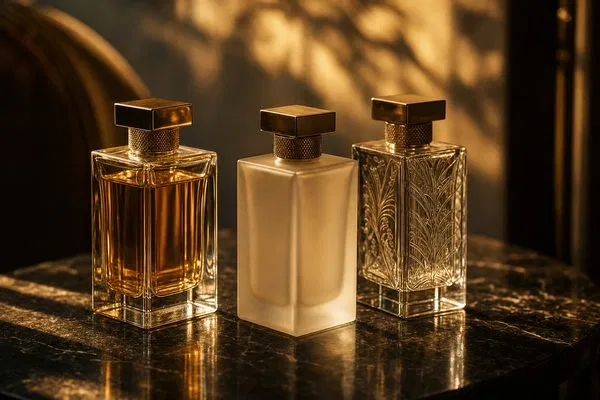
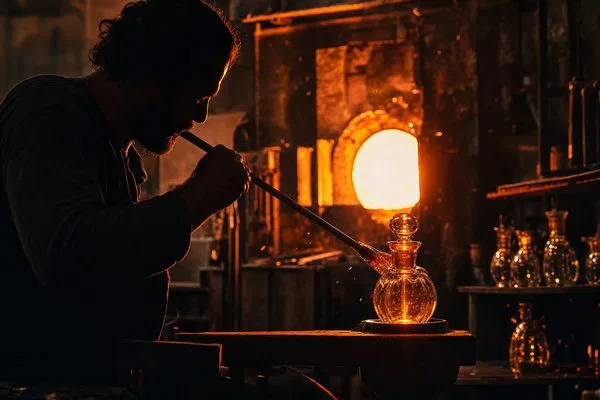
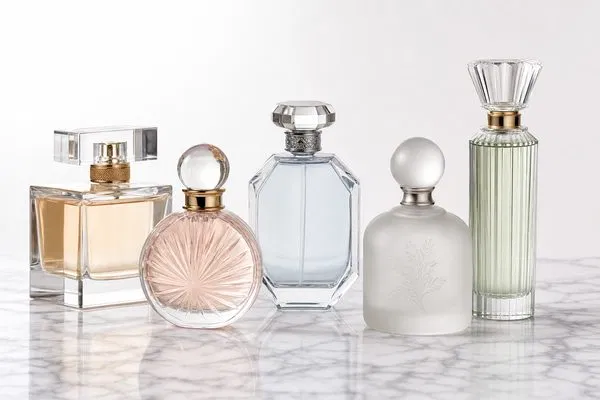
Translating the Slow Perfumery philosophy into packaging requires deliberate choices at every level of the design process. High-transparency, crystal-clear glass is essential — it allows the color of the fragrance itself to become the visual protagonist, a quiet confidence that says the liquid inside is worth seeing. A heavy base (sometimes called a “punt” or “glass bottom”) is non-negotiable for premium positioning; it adds weight to the hand and stability to the shelf.
Surface treatments should be minimalist but expertly executed. Techniques such as high-end polishing, fine engraving, or subtle matte spraying can elevate a simple silhouette into a piece of functional art. Custom molds are increasingly popular among niche and indie fragrance brands, allowing them to create a unique bottle shape that becomes a recognizable visual asset — a bottle that consumers can identify from across a room. The table below summarizes the key differences between standard and premium heavy-base glass bottles to help procurement teams make informed sourcing decisions.
| Feature | Standard Glass Bottle | Premium Heavy-Base Glass Bottle |
|---|---|---|
| Weight & Feel | Lightweight, functional | Substantial, luxurious tactile experience |
| Glass Clarity | Standard clarity, slight green tint | Crystal-clear, ultra-high transparency |
| Surface Options | Basic silk-screen printing | Polishing, engraving, matte spray, electroplating |
| Consumer Perception | Everyday use, mass market | Investment piece, identity statement |
| Best For | Fast-fashion fragrances, body mists | Slow perfumery, niche & luxury brands |
| Typical MOQ (China) | 500–1,000 pcs (standard mold) | 3,000–5,000 pcs (custom mold) |
Conclusion: Elevating Your Fragrance Brand Through Packaging
The Slow Perfumery movement is not a niche curiosity — it is a structural shift in how consumers relate to fragrance. As buyers invest in fewer, better bottles, every element of the packaging must justify its place on the shelf. Brands that make the upgrade to heavy-base, crystal-clear glass bottles are not just improving aesthetics; they are aligning their physical product with the emotional promise they are making to their customers.
If you are developing a premium or niche fragrance line and want to explore heavy-base glass bottle options — including custom molds, surface treatments, and export-ready packaging from China — we would be glad to share what GlassyPack can offer. Feel free to reach out at sales@glassypack.com or visit our Contact Us page to start a conversation.
References
[1] Cosmetics Business. (2026, May 11). Cosmetics Business reveals the top 5 fragrance trends of 2026 in new report. https://cosmeticsbusiness.com/cosmetics-business-reveals-the-top-5-fragrance-trends-1