The Unseen Power of Color: Why Your Liquor Bottle’s Shade Defines Its Destiny
Have you ever paused to consider the silent guardian of your finest spirits? The color of a liquor bottle is far more than an aesthetic choice; it’s a critical decision impacting everything from product preservation and shelf life to brand perception and market appeal. From the deep amber of a aged whiskey to the crystal clarity of a premium vodka, each hue plays a vital role in safeguarding the liquid gold within and communicating its story to the discerning consumer. But how do you choose the right color to ensure your product not only stands out but also maintains its integrity from distillery to glass? This comprehensive guide delves into the science, strategy, and market dynamics behind liquor bottle color selection, offering insights to help you make an informed choice that elevates your brand and protects your product.
The Science Behind the Hue: Protecting Your Spirits from the Unseen
Beyond mere aesthetics, the color of a glass bottle serves a crucial scientific purpose: UV protection. Light, particularly ultraviolet (UV) radiation, is a silent adversary to alcoholic beverages. It can trigger photochemical reactions, leading to the degradation of essential compounds, altered flavor profiles, and a reduced shelf life [1]. Imagine the delicate aromas of a fine brandy or the crisp notes of a gin slowly diminishing due to improper light exposure – a scenario no distiller desires.
Glass derives its color from specific metal oxides and compounds added during the manufacturing process. These additives interact with the silica-based mixture, imparting distinct hues and, more importantly, varying degrees of light filtration. For instance, iron oxide contributes to green glass, while sulfur and carbon create amber tones. Cobalt oxide is responsible for the rich blue often seen in luxury packaging [2].
UV Transmission Rates by Glass Color
To illustrate the protective capabilities of different glass colors, consider the following data on UV transmission:
| Glass Color | UV Transmission (%) | Visible Light Transmission (%) | Primary Absorbance Range |
| :———- | :—————— | :—————————– | :———————– |
| Flint (Clear) | 85-90 | 90-92 | None significant |
| Amber | 5-10 | 40-50 | <450nm |
| Green | 30-50 | 70-80 | 300-400nm, 600-700nm |
| Blue | 50-60 | 60-70 | 500-600nm |
(Data adapted from industry research [1], [2])
This table clearly demonstrates that amber glass offers superior UV protection, blocking over 90% of harmful UV radiation, making it an ideal choice for light-sensitive spirits like whiskey and certain liqueurs. Green glass provides moderate protection, while clear (flint) glass offers virtually none, making it suitable only for spirits not significantly affected by light or those with robust secondary packaging.
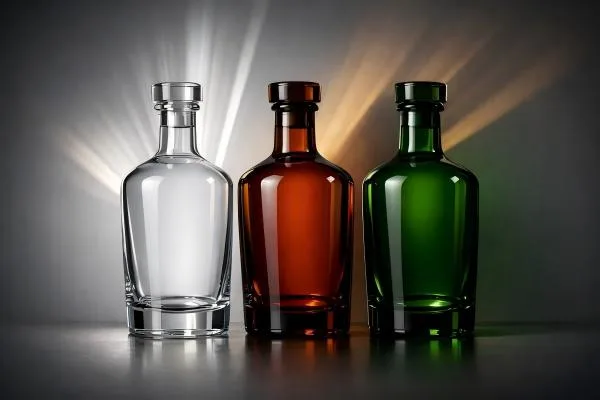
Popular Liquor Bottle Colors and Their Strategic Applications
The choice of bottle color is a strategic decision that aligns with the spirit’s characteristics, brand identity, and target market. Let’s explore the most prevalent colors and their typical applications:
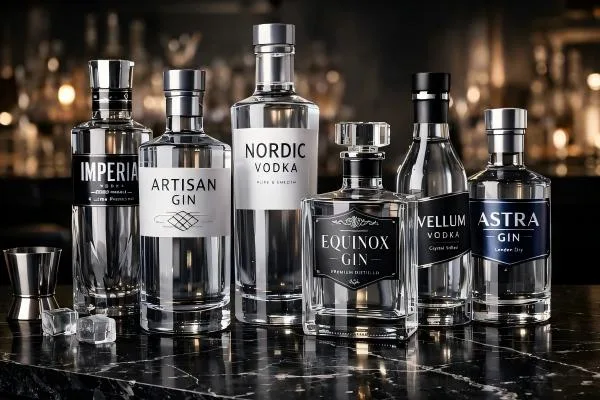
Flint (Clear) Glass: Showcasing Purity and Clarity
Clear glass, also known as flint glass, is the ultimate choice for spirits where visual purity and clarity are paramount. Think of premium vodkas, gins, and some white rums. The transparency allows the consumer to appreciate the liquid\’s pristine appearance, a key selling point for these categories. However, this comes at the cost of UV protection, necessitating careful consideration of storage and secondary packaging [1].
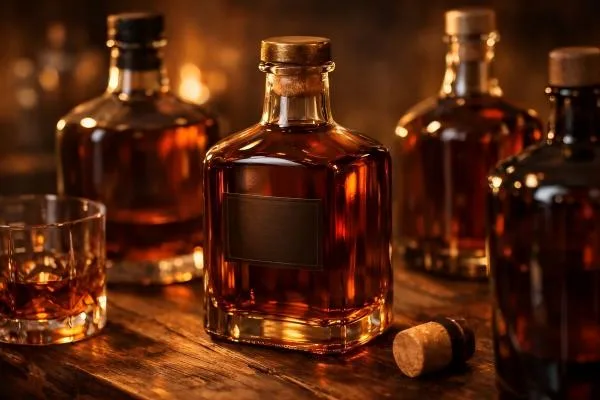
Amber Glass: The Guardian of Tradition and FlavorAmber glass, with its rich brown hue, is synonymous with tradition, quality, and, most importantly, superior protection. It\’s the go-to choice for whiskies, bourbons, brandies, and certain dark rums. Its ability to block over 90% of UV light is critical for preserving the complex flavor profiles and preventing light-induced degradation that can occur in aged spirits [1]. The warm, earthy tone also evokes a sense of heritage and craftsmanship.
Green Glass: A Touch of Nature and Sophistication
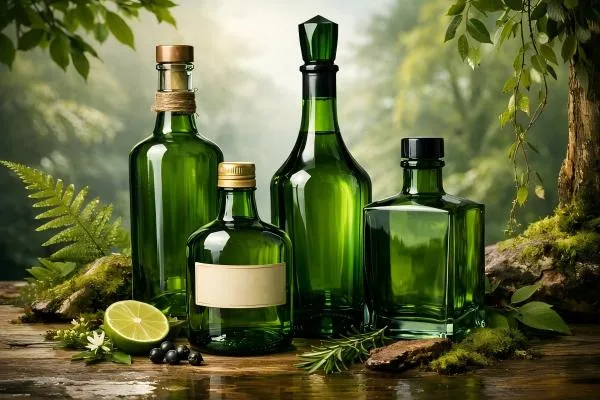
Green glass strikes a balance between aesthetic appeal and moderate UV protection. While historically associated with wine, various shades of green are increasingly used for spirits, particularly those with botanical notes like certain gins or herbal liqueurs. It conveys a sense of naturalness, sophistication, and often, a premium feel. The protection offered by green glass is significant, though less than amber, making it a viable option for spirits with some light sensitivity [2].
Blue Glass: Exclusivity and Modern Elegance
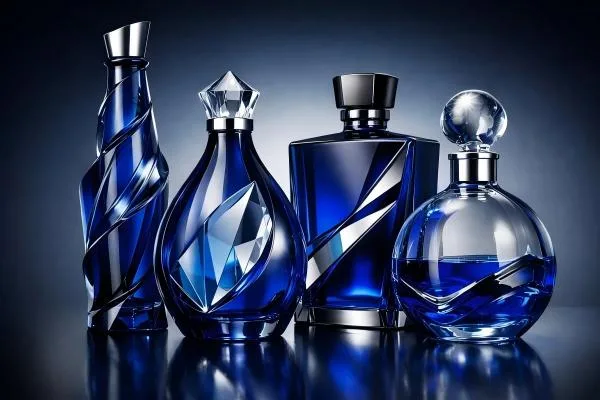
Blue glass bottles often signal exclusivity, modernity, and a unique brand identity. While less common for traditional spirits, they are gaining popularity for craft gins, vodkas, and specialty liqueurs looking to differentiate themselves on the shelf. The captivating hue can create a strong visual impact, suggesting a premium or artisanal product. However, blue glass offers moderate UV protection, similar to green, so product stability should be a key consideration [2].
Black/Opaque Glass: The Pinnacle of Protection and Mystery
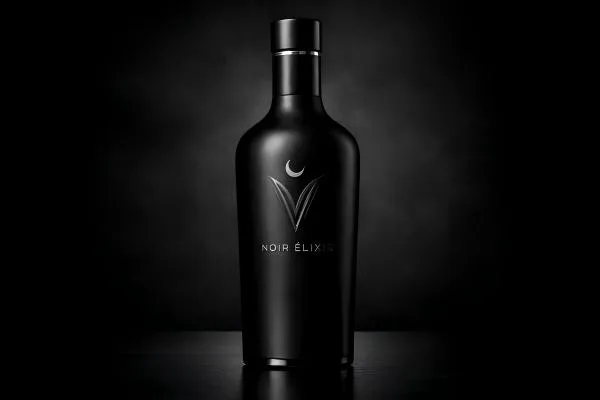
For spirits requiring the utmost protection from light, or those aiming for an ultra-premium, mysterious aesthetic, opaque or black glass is the answer. This choice completely shields the contents from light, ensuring maximum preservation of delicate flavors and aromas. It’s often reserved for very high-end, limited-edition, or highly light-sensitive products, conveying a sense of luxury, intrigue, and uncompromising quality.
Factors to Consider When Selecting Your Bottle Color
Choosing the right liquor bottle color involves a multifaceted approach, balancing scientific necessity with marketing strategy. Here are key factors to guide your decision:
Brand Identity and StorytellingYour bottle\’s color is a powerful non-verbal communicator of your brand\’s essence. Does your brand evoke tradition, modernity, luxury, or natural purity? The color should resonate with your brand\’s narrative and values. For instance, a brand emphasizing heritage might lean towards amber, while a contemporary craft spirit might opt for clear or blue [2].# Product Type and Composition
The inherent characteristics of your spirit are paramount. Is it an aged spirit highly susceptible to light degradation? Or a clear spirit whose visual appeal is its primary asset? Vodkas and gins often thrive in clear bottles, while whiskies and brandies demand the protection of amber. Understanding your product\’s light sensitivity is crucial for long-term quality [1].
Shelf Life and Storage Conditions
Consider the expected shelf life of your product and its typical storage environment. If your spirits will be exposed to significant light in retail or consumer settings, a more protective bottle color is advisable. For products with shorter shelf lives or those consistently stored in dark conditions, the need for high UV protection might be less critical.
Market Trends and Competitive Landscape
While tradition holds sway in many liquor categories, market trends are constantly evolving. Observe what competitors are doing, but also look for opportunities to differentiate. A unique bottle color can help your product stand out on a crowded shelf, capturing consumer attention and conveying innovation [2].
The Manufacturing Process: Crafting Color with Precision
The creation of colored glass liquor bottles is a sophisticated process that requires precision and expertise. It typically involves adding specific colorants, usually metal oxides, to the molten glass batch. The exact composition and temperature control are critical to achieve the desired hue and consistency. Surface coatings can also be applied post-production for specialized effects, offering greater design flexibility, though often with less durability than intrinsic coloration [2].
GlassyPack, as a leading manufacturer, employs advanced techniques to ensure that every colored bottle meets stringent quality standards, providing both aesthetic excellence and functional integrity for your spirits.
Conclusion: Color Your Brand’s Future Wisely
In the competitive world of liquor packaging, the choice of bottle color is a decision that marries art with science, tradition with innovation. It’s about more than just visual appeal; it’s about safeguarding the integrity of your product, communicating your brand’s story, and ultimately, influencing consumer perception and purchase decisions. By understanding the protective qualities of different hues, aligning with your brand identity, and considering market dynamics, you can select a bottle color that not only preserves your spirits but also elevates your brand to new heights. Make a choice that reflects the quality within and resonates with your target audience.
Elevate Your Packaging with GlassyPack
Ready to make an impactful statement with your liquor packaging? At GlassyPack, we specialize in crafting high-quality glass bottles in a spectrum of colors, tailored to meet the unique needs of your brand. From robust amber to elegant flint, our expertise ensures your spirits are perfectly presented and protected. Contact us today to discuss your custom packaging solutions and discover how the right bottle color can transform your product’s presence in the global market.
Email: sales@glassypack.com
Contact Us: https://glassypack.com/index.php/contact-us/
References
[1] Global Package. (2024, December 5). Why Glass Color Matters for Wine and Spirits Preservation. Retrieved from https://globalpackage.net/why-glass-color-matters-for-wine-and-spirits-preservation/
[2] TP Glass Bottle. (2026, March 18). The Guide to Liquor Bottle Colors for Branding & Shelf Appeal. Retrieved from https://tpglassbottle.com/the-guide-to-liquor-bottle-colors-for-branding-shelf-appeal/