You see a dazzling, jewel-encrusted bottle and a sleek, black-and-gold one, both labeled "Middle Eastern Luxury." Now you're confused. Choosing the wrong style for your target customer means your message will be lost, and your launch will fail.
The Middle Eastern perfume market1 is diverse, not uniform. Success depends on matching your bottle's design to your specific target audience. With the MEA perfume market valued at nearly $7.5 billion in 2024 and projected to hit $14 billion by 2032, understanding these segments is crucial.
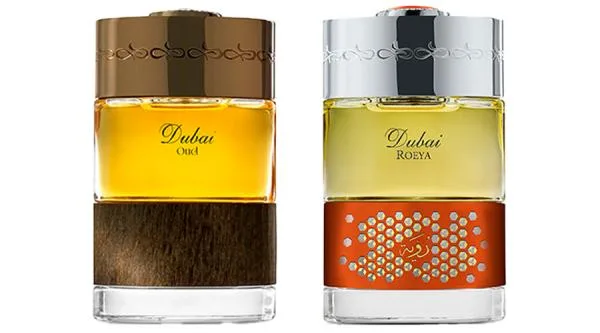
I used to think I had the Middle Eastern market figured out: gold, gems, and intricate patterns. Then, on a single business trip, I saw two completely different worlds. In a traditional souk, the shelves were a kaleidoscope of glittering, ornate bottles that felt like treasures from a storybook. Hours later, in a high-end mall, I saw the Arabian Oud store, dominated by powerful, minimalist designs in black and gold. The realization was immediate: there isn't one Middle Eastern style. There are several, each speaking to a different customer. As a manufacturer, my most important job is helping clients understand this landscape so they can choose the right design language for their brand.
Who Still Buys the Classic Ornate and Jeweled Bottles?
You see competitors succeeding with highly decorated bottles and wonder if the "modern luxury" trend is the only way. You fear abandoning traditional designs will alienate a huge customer base.
The classic, highly ornate style is dominant in the mass-to-mid-range market. This segment is thriving, making up about 40-45% of the MEA market. Reports from the first half of 2025 even showed a 17% jump in mass-market sales, proving its power.
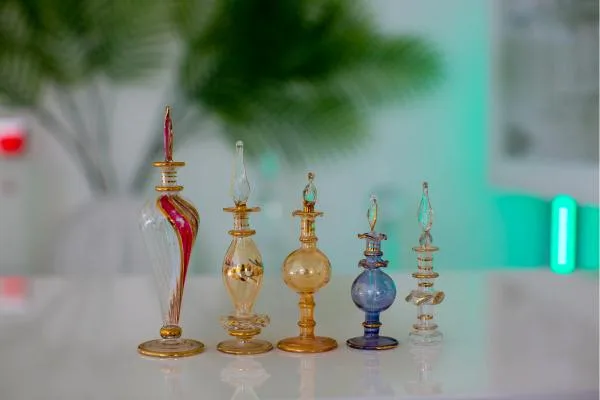
This is the aesthetic that many people first imagine, and for good reason—it’s alive and well. This style is about visible value and celebration. In our factory, these projects are all about layering details. We use techniques like full-bottle gold plating, intricate filigree metalwork, and setting dozens of colorful faux gems. The caps are often oversized and sculptural, sometimes featuring enamel work in rich reds and greens. This design language shouts "luxury" in a joyful, unapologetic way. It performs exceptionally well for brands targeting a broad audience who associate this look with authenticity and festivity. If your brand strategy is about accessibility, tradition, or being the perfect holiday gift, ignoring this style would be a huge mistake.
When to Choose the Classic Ornate Style:
| Target Audience | Brand Positioning | Key Design Elements |
|---|---|---|
| Mass & Mid-Range Consumers | Accessible Luxury, Generous Gifting | Full gold/silver plating, multiple faux gemstones, colorful enamel. |
| Traditional & Festive Markets | Culturally Authentic, Celebratory | Intricate patterns, filigree metal cages, sculptural caps. |
| Regional & Local Demographics | Familiar & Trusted Aesthetic | Heavy ornamentation, warm colors, familiar symbolic shapes. |
Who is the Target for Modern 'Oriental Luxury'?
You're aiming for a premium, sophisticated image and want to attract younger, aspirational consumers. A purely traditional bottle might feel dated to them, failing to reflect their modern identity.
Modern Oriental Luxury2 is for high-end mainstream brands. This premium category is the market driver, holding a dominant 55-60% revenue share. Data from 2025 showed the prestige segment growing by a strong 12%, proving this is where aspirational money is moving.
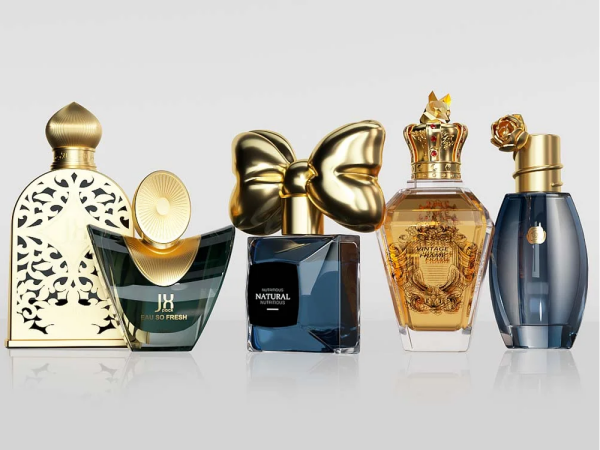
This is the evolution of luxury that I witnessed firsthand. It trades overt sparkle for confident substance. For these projects, we focus on the core form and materials. We use thick, heavy glass to create imposing square or rectangular bottles that feel substantial in the hand. The color palette is tight and controlled—deep, glossy black paired with the richness of gold. The intricate decoration isn't gone; it has just moved. Instead of covering the entire bottle, it’s now concentrated on a magnificent, oversized cap made of heavy metal. This design speaks to a customer who is confident in their taste. They don't need the bottle to shout; its weight, clean lines, and perfectly executed details are enough. This is the new language of power in the region's top retail spaces.
When to Choose Modern Oriental Luxury:
| Target Audience | Brand Positioning | Key Design Elements |
|---|---|---|
| Aspirational & Younger Consumers | Confident, Sophisticated, Modern | Heavy geometric shapes, black & gold palette, thick-walled glass. |
| High-End Mainstream Retail | Premium, Flagship Product | Minimalist bottle body with a highly ornate, heavy metal cap. |
| International & Export Markets | Globally Understood Luxury | Clean lines, high-contrast colors, luxurious packaging box. |
What Does 'Niche & Artistic' Luxury Look Like?
Your brand is positioned at the very top of the market as an artistic creation. Both the classic and modern mainstream styles might feel too commercial for your story.
The ultra-high-end niche segment, including brands like Amouage, Xerjoff’s Oud Stars collection, or emerging artisanal houses, leans into artistic forms. While a smaller slice at 5-10% of the premium market, it is growing fast, with overall Middle East fragrances projected to grow from $4 billion in 2025.
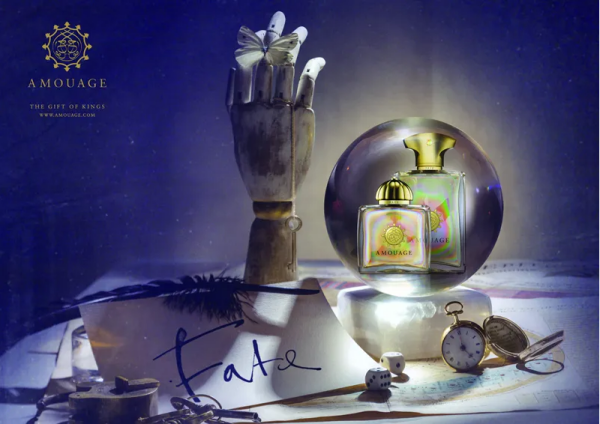
This segment is where a bottle truly becomes a sculpture. Here, we're not just assembling luxurious elements; we're interpreting a creative vision. A client might bring us a concept inspired by modern architecture or a piece of calligraphy. The classic opulence is still in the DNA—the use of heavy materials and precious metal accents. However, the execution is different. The shapes might be asymmetrical or unexpectedly minimalist. The cap of Amouage's bottles, for example, famously references a Khanjar dagger, but in a clean, stylized way. This approach is for brands that sell a story and an artistic vision first, and a fragrance second. It’s about creating a collector's item3 that has a life beyond the scent it holds.
When to Choose the Niche & Artistic Style:
- For Ultra-Premium Positioning: When the price and story demand a bottle that is a unique work of art.
- To Signal Creative Leadership: When your brand identity is built on being avant-garde and setting trends.
- To Create a Collector's Item: Designs so unique they encourage customers to collect them as decorative objects.
How Do I Choose the Right Path for My Brand?
You now see the different design languages but feel overwhelmed. Making the wrong choice could mean a costly mismatch between your product, your brand, and your target customer.
The key is to define your target customer first. A clear profile will point you to the right design language. With the GCC perfume market4 alone valued between $3-4.2 billion in 2025 and growing fast, aligning with the right segment is a critical business decision.
As a manufacturer, this is the strategic conversation I have with every client. Before we even discuss glass thickness or cap materials, we ask: Who are you selling to? We use a simple framework to guide this decision. First, define your customer. Is it a young professional in Dubai or a family buying gifts in a traditional market? Second, clarify your brand's core message. Is it about heritage and celebration, or modern power and success? Once you have those two answers, the right design path becomes clear. You don't have to guess. The market itself is telling you what it wants. Your job is to listen and then create a beautiful object that speaks their language perfectly.
A Simple Decision Framework:
| If Your Customer Is... | And Your Brand Is About... | Then Your Design Should Be... |
|---|---|---|
| Broad, traditional, gift-focused | Celebration, Authenticity, Value | Classic Ornate (All-over patterns, jewels) |
| Aspirational, modern, status-conscious | Success, Power, Sophistication | Modern Oriental Luxury (Heavy form, focused detail) |
| Niche, artistic, connoisseur | Uniqueness, Craftsmanship, Story | Artistic & Sculptural (Conceptual shapes, unique materials) |
Conclusion
Success in the Middle East isn't about one "best" style. It's about data-driven decisions. By strategically selecting the design that connects your brand to your ideal customer, you can thrive in this dynamic, multi-billion-dollar market.
Explore insights on the growth and trends in the Middle Eastern perfume market, crucial for understanding consumer preferences. ↩
Gain insights into the Modern Oriental Luxury trend, appealing to younger, aspirational consumers. ↩
Discover strategies for creating perfume bottles that appeal to collectors, enhancing brand value. ↩
Explore forecasts for the GCC perfume market, crucial for strategic planning and investment. ↩