Your spirit's bottle color1 seems like a minor detail, but the wrong choice can ruin the flavor and cheapen your brand's image. This is a costly mistake on a competitive shelf.
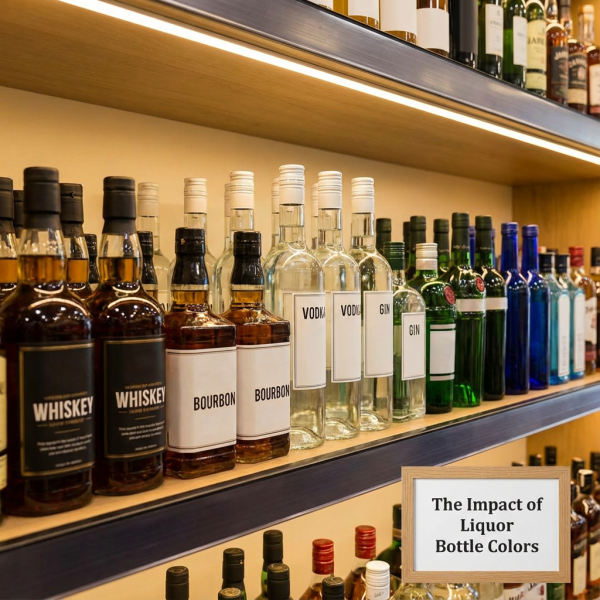
Bottle color is critical for two reasons: protection and perception. Darker colors like amber block UV light, preserving the flavor of aged spirits. Aesthetically, color instantly signals quality and category—clear for vodka, amber for whiskey—guiding a customer's purchase decision.
In my 10+ years as a glass manufacturer, this is one of the first strategic conversations I have with clients. The color of the bottle is not just a design choice; it's a handshake with your customer. It protects the precious liquid inside while telling a story before the label is even read. A brand manager for a new whiskey might want a unique blue bottle, but I have to walk them through the risks of light exposure. It’s a delicate balance between science and marketing, and getting it right is key to success.
Does Bottle Color Actually Protect the Liquor?
You’ve invested in crafting the perfect spirit, but its flavor degrades on the shelf. This "light-struck" taste disappoints customers and can damage your reputation. The problem might be your bottle.
Yes, absolutely. Darker glass acts as a natural shield against UV light. Amber glass is the champion, blocking over 90% of harmful rays. Green offers moderate protection, while clear (flint) glass provides almost none, leaving the spirit vulnerable.
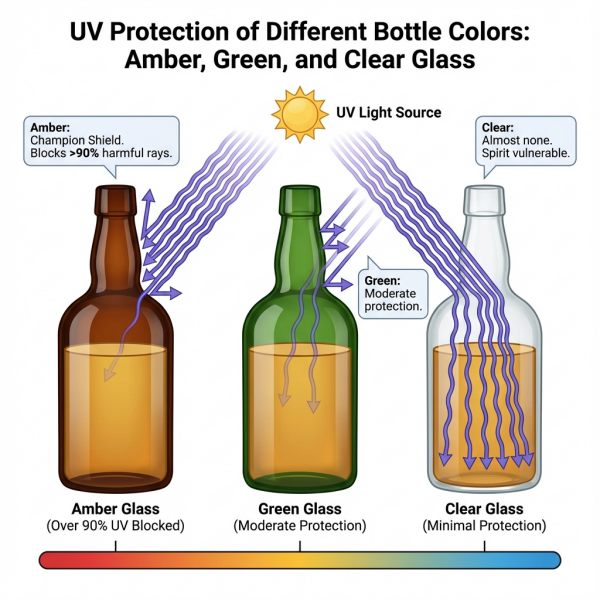
This is the non-negotiable science part of choosing a color. Light, especially UV light, can trigger chemical reactions in a spirit, altering its flavor and aroma profile. For aged spirits like whiskey or bourbon, whose complex notes are developed over years, this is a disaster. As a supplier, my priority is to ensure the packaging preserves the quality my clients have worked so hard to create. We often run tests on the specific liquid to recommend the best option. While a clear bottle looks great for vodka, using it for an aged scotch would be a technical mistake.
A Quick Guide to UV Protection
Here’s a simple breakdown I share with purchasing managers to make the functional differences clear.
| Glass Color | UV Light Blockage (Approx.) | Best For | The Trade-Off |
|---|---|---|---|
| Amber (Brown) | 90%+ | Whiskey, Bourbon, Dark Rum, Aged Liqueurs | Hides the liquid's true color. |
| Green | 30% - 50% | Some Gins, Liqueurs, Specialty Spirits | Offers moderate protection with a classic look. |
| Cobalt Blue | 50% - 80% | Specialty Gin, Vodka,Unique Liqueurs | Good protection but less common. |
| Clear (Flint) | <15% | Vodka, Gin, White Rum, Tequila | Offers no protection. Shows off the liquid. |
How Does Color Influence What Customers Think?
Your bottle sits on a crowded shelf, and you have seconds to make an impression. If the color doesn't match the customer's expectation, they might pass it by without a second thought.
Color speaks a powerful, silent language. Amber suggests tradition, age, and warmth (whiskey). Clear suggests purity and modernity (vodka). Black or frosted glass2 signals luxury and exclusivity. The color sets the price and taste expectation before they even read the label.
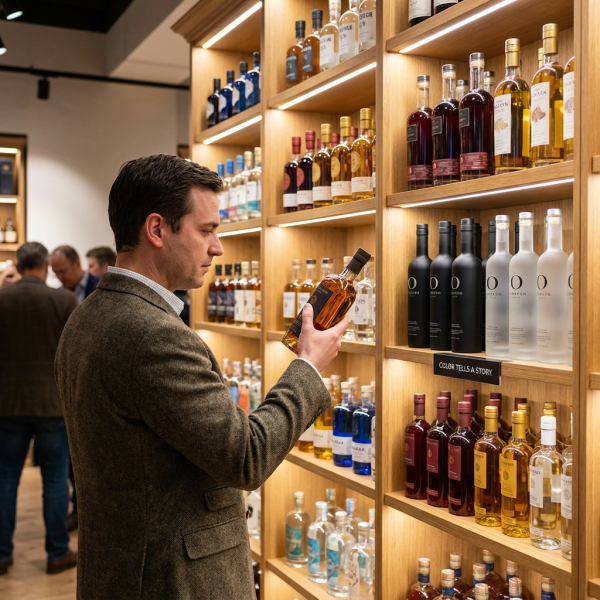
This is the marketing magic of glass. I've worked with countless brands, and the psychological impact of color is undeniable. A dark, heavy bottle immediately feels more premium. When we prototyped a new high-end liqueur for a client, we tested both a standard clear bottle and an opaque matte black version. In consumer testing, people were willing to pay almost 30% more for the exact same liquid in the black bottle. It created a sense of mystery and luxury. Your bottle's color is a core part of your brand story.
The Psychology of Common Colors
Here’s how consumers subconsciously read the colors you choose:
- Clear (Flint): This says, "I have nothing to hide." It communicates purity, simplicity, and modernity. It’s the top choice for spirits like vodka and gin, where clarity is a sign of quality.
- Amber/Brown: This color is all about tradition, warmth, and complexity. It’s the visual shorthand for an aged product like Scotch, bourbon, or dark rum, suggesting a rich, smooth flavor profile.
- Black/Opaque: This signals ultimate luxury, power, and exclusivity. It's often reserved for ultra-premium, limited-edition releases. The mystery forces the focus onto the brand's reputation.
What Are My Options Besides Basic Colors?
You want your bottle to stand out, but you feel limited to clear, green, or amber. Sticking to these standards can make your unique spirit look generic and get lost in the crowd.
Modern glass manufacturing offers many custom finishes3. You can use clear frosted glass2 for a premium touch, apply glossy or matte black coatings for a modern look, or use electroplating to create vibrant, metallic colors that demand attention while protecting the contents.
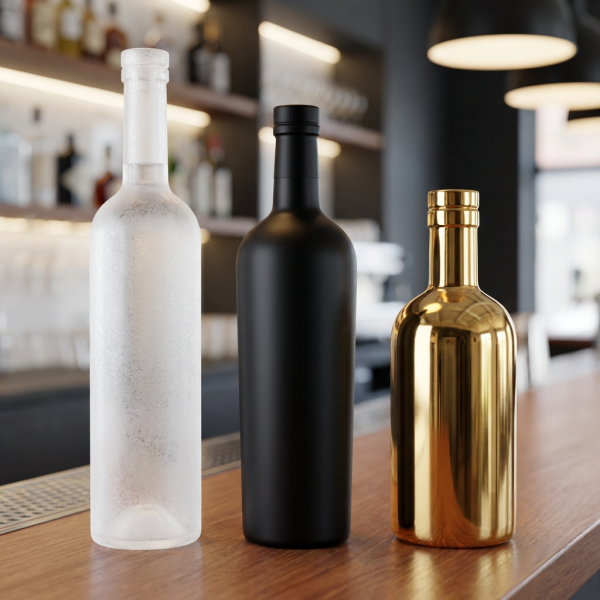
As an OEM/ODM manufacturer, this is where we have a lot of fun. The idea that you are limited to three colors is outdated. We can take a standard bottle shape and apply a finish that completely transforms it into a statement piece. For a client in the Middle East, we developed a bottle with a metallic gold electroplated finish for a premium liqueur, which was a huge success. For a craft gin brand in the EU, we created a frosted blue bottle that looked like sea glass. These custom finishes3 allow a brand to get the best of both worlds: a unique look and total light protection.
Popular Custom Finishes
Here are some of the most effective options we provide:
- Frosting: A simple frosted finish on clear glass adds a touch of elegance and a premium feel. It's great for vodka, gin, and tequila.
- Spraying (Matte/Glossy): We can spray a bottle in virtually any color. Matte black is incredibly popular for ultra-premium spirits4, while a glossy white can give a clean, modern look.
- Electroplating: This process deposits a thin layer of metal onto the glass, creating a brilliant, reflective finish in colors like gold, silver, or rose gold. It offers 100% light protection and looks incredibly luxurious.
Conclusion
Choosing your liquor bottle color1 is a strategic decision. It must protect your spirit from light while communicating the right message about your brand's quality, heritage, and price point.
Understanding the impact of bottle color can help you make informed decisions for your brand's success. ↩
Explore how frosted glass can add elegance and appeal to your liquor packaging. ↩
Stay updated on innovative custom finishes that can make your liquor brand stand out. ↩
Gain insights into what makes a spirit premium and how packaging plays a crucial role. ↩