The Definitive Answer: Glass Jars with Airtight Seals
Are you losing sleep over which jar will best protect your premium pickled products during their long journey to international markets? The answer is clear and definitive: Commercial-Grade Glass Jars—specifically those featuring a reliable, airtight seal, such as Lug-Cap Jars (Twist-Off) or Mason Jars (Continuous Thread). For the B2B sector, the best jar is one that guarantees product integrity, maximizes shelf life, and optimizes logistics, making glass the undisputed champion.
Conclusion Up Front: Why Glass is the Only Choice
For commercial pickling, the choice is not if you should use glass, but which type of glass jar. Glass is the industry standard because it is non-reactive, ensuring the acidic brine does not leach chemicals or alter the flavor of your product. Its transparency allows for easy quality inspection, and its durability is essential for global shipping.
1. Key Characteristics of Superior Commercial Pickling Jars
Selecting the right jar goes beyond aesthetics; it's a critical business decision that impacts product safety, shelf life, and shipping costs. Here are the "point-style" characteristics that define the best pickling jars for export:
A. Material Integrity: The Non-Negotiable Inertness of Glass
Glass is an inert material, meaning it will not react with the vinegar, salt, or spices in your pickling brine. This is paramount for food safety and flavor preservation.
- Zero Leaching: Unlike some plastics, glass is BPA-free and will not leach harmful chemicals into the food, a major selling point in Western markets (EU, US, ANZ).
- Flavor Purity: Glass is non-porous and does not absorb odors or flavors, ensuring that your dill pickles taste like dill pickles, not last season's kimchi.
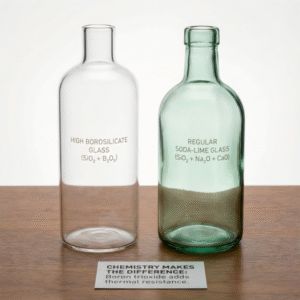
- Thermal Shock Resistance: Commercial jars are designed to withstand the high temperatures of pasteurization and canning processes.
B. The Seal: Lug-Cap vs. Continuous Thread
The lid and seal mechanism is the single most important factor in preserving freshness and preventing spoilage during transit.
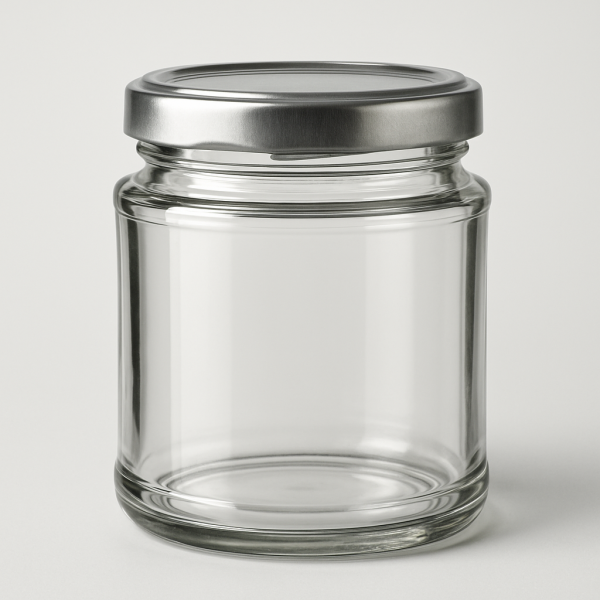
- Lug-Cap Jars (Twist-Off): These are the most common in commercial food packaging. They require only a partial turn to seal, making them fast and efficient for high-speed production lines. The vacuum seal is robust and highly reliable for long-distance shipping.
- Continuous Thread Jars (Mason-Style): While popular for home canning, the two-piece lid system (flat disc and ring) is less common in large-scale commercial operations due to slower application, but they offer an extremely secure, time-tested seal.
C. Shape and Design: Optimizing for Logistics
The shape of the jar directly affects how many units you can fit on a pallet and how well they survive shipping.
- Straight-Sided Jars: Ideal for pickling larger items (like whole cucumbers or asparagus spears) and are the most efficient for pallet stacking, minimizing wasted space and maximizing container load.
- Shouldered Jars: While aesthetically pleasing, the tapered neck can make it harder to pack large vegetables and may be slightly less stable for high-stacking.
2. Commercial Pickling Jar Comparison Table
To help our B2B clients make an informed decision, here is a comparison of the most common commercial glass jar types:
| Jar Type | Ideal For | B2B Pros | B2B Cons | Neck Finish |
|---|---|---|---|---|
| Lug-Cap Jars | High-volume commercial production, relishes, sliced pickles | Fast capping, excellent vacuum seal, cost-effective | Less common for home-canning aesthetic | Lug (Twist-Off) |
| Mason Jars | Premium/Artisanal brands, whole pickles, home-style look | Strong seal, widely recognized brand aesthetic | Slower capping process, two-piece lid complexity | Continuous Thread |
| Fido/Bail Jars | Fermented foods (Kimchi, Sauerkraut), high-end gourmet | Reusable, attractive, excellent for fermentation (airlock) | High unit cost, bulky for shipping, seal can degrade | Hinged/Bail |
3. Durability and Export: Surviving the Supply Chain
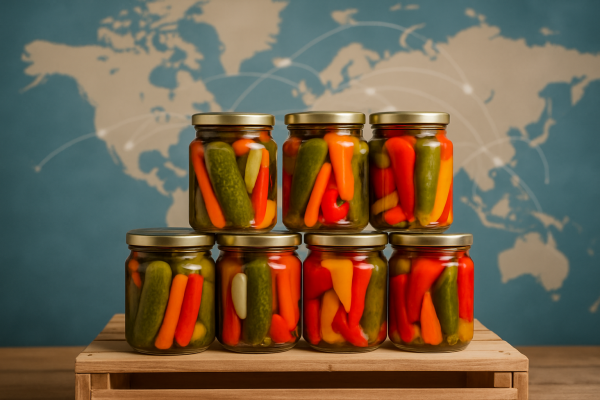
Your jars must be tough enough to travel across oceans. The best jars for pickling are those manufactured with consistent wall thickness and high-quality annealing to withstand the rigors of export.
- Impact Resistance: Quality glass is less prone to chipping or cracking from minor impacts during automated handling and container loading.
- Palletization Stability: Jars with a flat, wide base and uniform height are crucial for creating stable, secure pallet loads, reducing the risk of breakage and loss during sea freight.
- Global Compliance: Reputable manufacturers ensure their glass meets international standards (e.g., FDA, EU regulations) for food contact materials, simplifying your import process.
Video Insight: The Importance of a Proper Seal
To truly appreciate the engineering behind a commercial seal, watch this quick guide on how a proper vacuum seal is achieved in a commercial canning line. This process is what guarantees the long shelf life required for export:
Video Insight: Vacuum-Based Lug Capping Machine in Action
Final Conclusion: Partner with a Glass Expert
So, which jars are best for pickling? The best jars are high-quality, straight-sided glass jars with a reliable lug-cap seal, sourced from a manufacturer that understands the demands of international B2B export. This combination ensures product safety, flavor integrity, and logistical efficiency, giving your brand a competitive edge in the global market.
If your goal is to scale your pickled food business and export to demanding markets like the EU, US, or Australia, your packaging must be a strength, not a liability.
Ready to Secure Your Supply Chain? Contact Us Today!
As a leading Chinese foreign trade company specializing in food-grade glass jars and bottles, we supply top-tier packaging solutions to clients across Europe, the Americas, the Middle East, and Asia-Pacific. We understand the unique requirements for pickling jars—from thermal resistance to pallet stability.
Don't let packaging uncertainty slow your global expansion. Contact us today to discuss your specific needs and secure the best jars for your next shipment.
Email: sales@glassypack.com Contact Us Link: https://glassypack.com/index.php/contact-us/