You've perfected your sauce recipe, but now you face a critical choice. Picking the wrong packaging could ruin the flavor, damage your brand's premium image, and even get your product rejected in key international markets.
For sauce packaging1, glass is the superior choice for protecting flavor, ensuring safety, and meeting strict US and EU regulations. While plastic offers a lower upfront cost, it poses risks of chemical leaching, flavor alteration, and non-compliance.

In my 10+ years of manufacturing glass packaging for global brands, this is one of the most common crossroads our clients face. The decision between glass and plastic isn't just about cost; it's a strategic choice that impacts your product's quality, brand perception, and market access. I've seen companies save a few cents on plastic only to lose dollars on spoilage or regulatory fines. Let's break down the real factors you need to consider to make the right choice for your sauce.
Which Container Truly Protects Your Sauce's Flavor?
You've spent months, maybe years, perfecting your sauce's unique taste. The last thing you want is for the packaging to slowly leach chemicals or oxygen, altering that perfect flavor profile.
Glass is chemically inert, meaning it creates a perfect barrier that does not interact with your sauce. Plastic, especially with acidic or oily sauces, can leach chemicals and allow oxygen ingress, compromising the original taste and shortening shelf life.
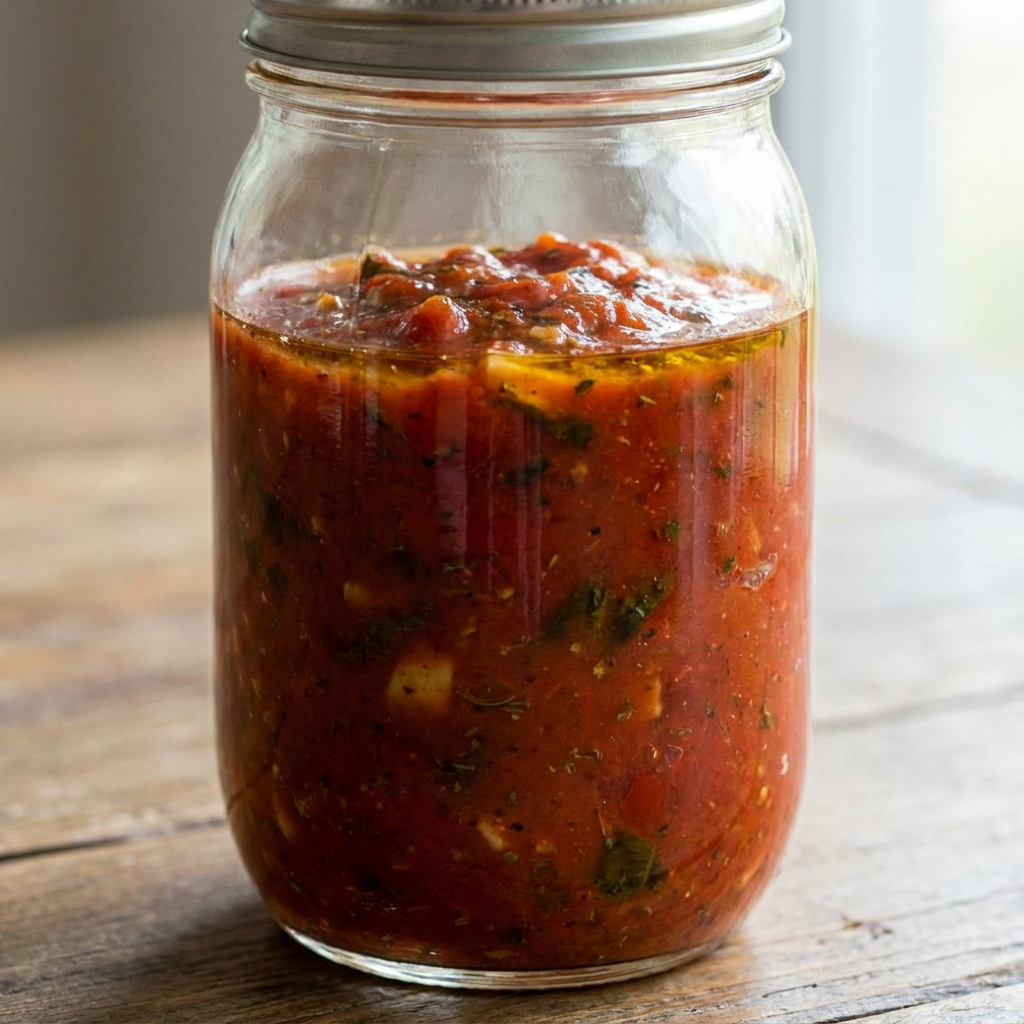
I always tell my clients to think of a glass bottle as a vault. It's non-porous and impermeable. It doesn't breathe, and it doesn't react. Your rich, acidic tomato sauce or your high-fat aioli will taste exactly the same a year from now as it did the day you bottled it. Plastic, on the other hand, is a polymer. It's a more active material. Over time, molecules can migrate from the plastic into the sauce, a process known as leaching. This is especially true for acidic or oily contents, which can accelerate this process, potentially creating a faint "plastic" aftertaste. Furthermore, plastic is more permeable to oxygen than glass, and oxygen is the enemy of freshness. It dulls flavor and can lead to spoilage. For a premium product where taste is everything, glass is the only way to guarantee purity.
Quality at a Glance
| Feature | Glass Bottle | Plastic Bottle |
|---|---|---|
| Flavor Integrity | Excellent (Inert, no leaching) | Fair (Risk of leaching and flavor absorption) |
| Oxygen Barrier | Excellent (Impermeable) | Poor to Fair (Permeable, shorter shelf life) |
| Heat Resistance | Excellent (Ideal for hot-filling) | Poor (Can warp, increases leaching risk) |
| Shelf Appeal | High (Premium look and feel) | Low to Medium (Standard, functional look) |
Isn't Plastic Just Cheaper for My Bottom Line?
You're under pressure to keep costs down, and plastic bottles seem like the obvious, budget-friendly choice. But you're worried that the initial savings could be wiped out by hidden long-term expenses.
While plastic has a lower upfront unit cost, glass often proves more economical when considering the total cost. Glass reduces risks of product spoilage, avoids regulatory fines, and supports a premium price point that improves overall profitability.
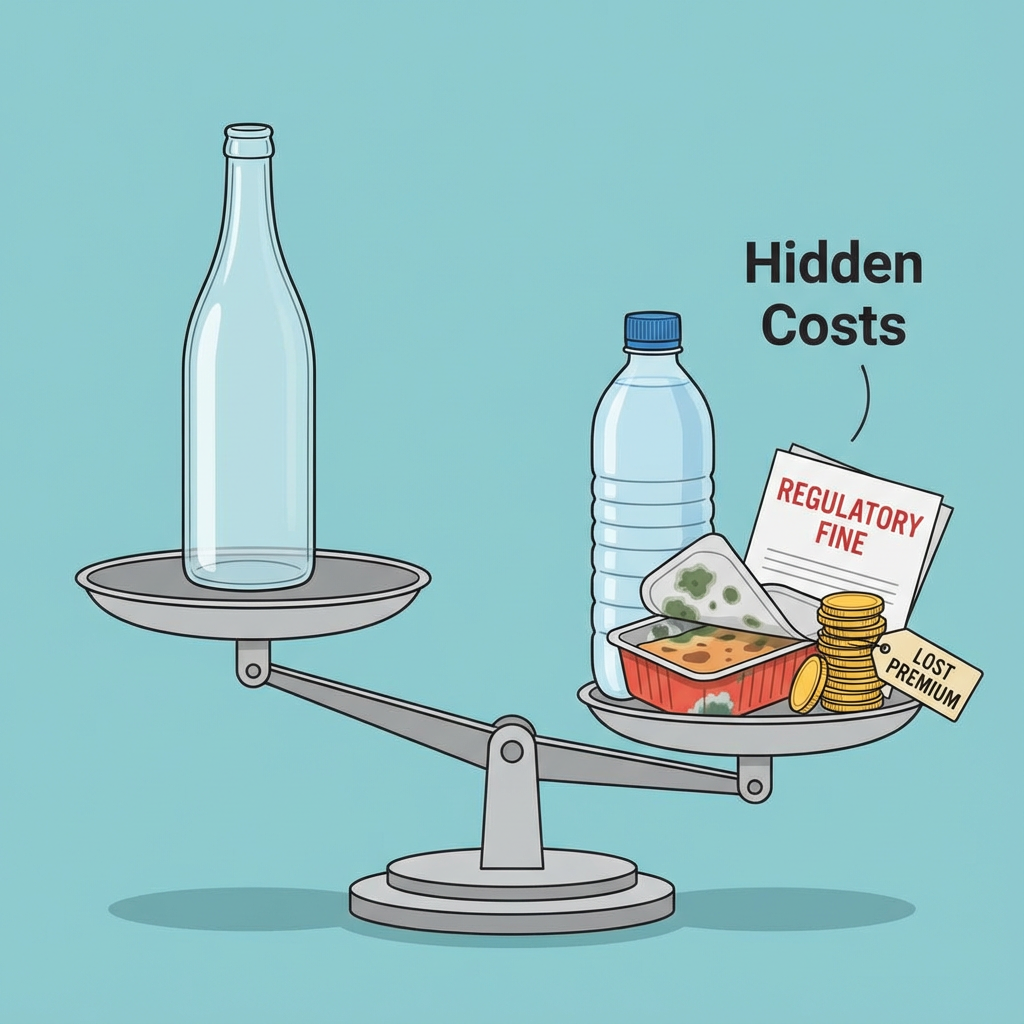
Every procurement manager I work with is focused on cost, and rightly so. On a per-unit basis, a plastic bottle is almost always cheaper than a glass one. It's also lighter, which can reduce shipping costs. But this is where the analysis often stops, and it's a dangerous place to stop. We need to look at the total cost of ownership. What is the cost of a recalled batch because of chemical leaching? What is the cost of product spoilage from oxygen ingress? What is the cost of a fine because your packaging doesn't meet new regulations? Suddenly, the few cents saved per bottle seem insignificant. Glass minimizes these risks. Furthermore, consumers perceive glass as a premium material and are willing to pay more for it. That price difference goes directly to your bottom line, often completely offsetting the higher initial packaging cost.
How Can My Packaging Choice Avoid Costly Fines in the US and EU?
You're planning to export your sauce to lucrative markets in North America and Europe. You can't afford to have your shipments blocked or fined because your packaging violates a new environmental or safety law.
Glass is inherently compliant with new regulations like the US FDA's ban on PFAS and the EU's recycled content rules. Many plastic bottles and cap liners contain these restricted chemicals or fail to meet recycled content minimums, making glass the safer, future-proof choice.
This is where my job gets very serious. I help brands navigate a rapidly changing regulatory landscape. Two recent rules are game-changers. In the US, the FDA is banning PFAS (harmful "forever chemicals") in food packaging by 2025. These are commonly found in the liners of cheap plastic bottle caps. Our glass bottles with silicone liners are naturally PFAS-free and fully compliant. In the EU, new DEFRA regulations require plastic bottles to declare their recycled content, with penalties for falling below a 30% threshold. This creates a supply chain and compliance headache. Glass, being 100% and infinitely recyclable without quality loss, is exempt from these specific mandates. Choosing glass isn't just about today's brand image; it's about de-risking your business for tomorrow's market. It’s the simplest way to ensure your product can be sold anywhere, without worrying that a new law will suddenly make your inventory obsolete.
Conclusion
The best choice for your sauce is clear. For superior flavor, premium branding, and guaranteed compliance in global markets, glass packaging is the most reliable and ultimately most profitable investment you can make.
Explore this link to understand how different packaging materials can impact your sauce's quality and marketability. ↩