Your brand is struggling to connect with Gen Z, a demographic that seems to ignore traditional luxury cues. The ornate, complex bottle designs that worked for years now feel outdated and are failing to capture their attention.
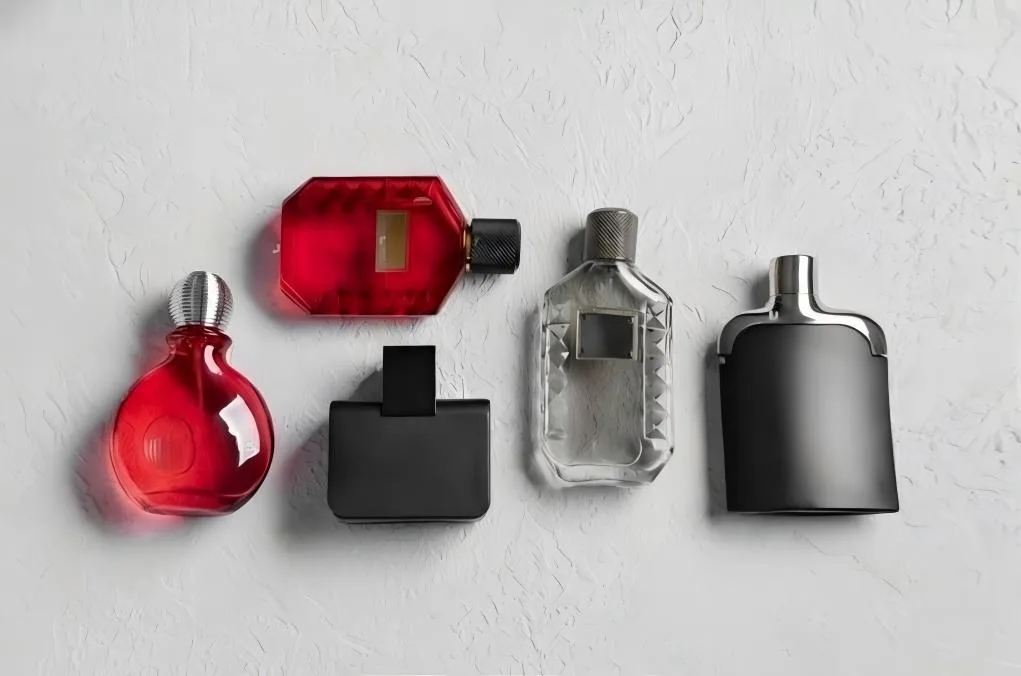
Minimalist bottles1 attract Gen Z by using monochrome palettes2 and engaging textures3 to emphasize authenticity4. This strategy shifts the focus from the container to the fragrance's story5, mirroring the success of trendsetting brands like Glossier6 and Maison Margiela7.
This isn't just about making things simpler; it's a strategic shift. Gen Z, a demographic driving a fragrance market with a 3.4% CAGR, craves authenticity4, not opulence. They don't want the bottle to tell them a story of unattainable luxury; they want it to be a clean canvas for the story of the scent itself. I've seen brands pivot to this "less is more" approach and witness a dramatic increase in engagement. It's about understanding that for this generation, the product is the hero, and the packaging is the trusted, understated supporting act.
Why Are Monochrome and Texture the Keys to Gen Z Minimalism?
You hear "minimalism" and picture a boring, plain white bottle that will disappear on a crowded shelf. You worry that simple means invisible, especially on a fast-scrolling social media feed where visual impact8 is everything.
The key is using a single, bold color to create a strong brand identity, while subtle textures like frosting or ribbing add a premium, tactile quality. This combination makes the bottle photogenic, memorable, and physically inviting to touch and hold.
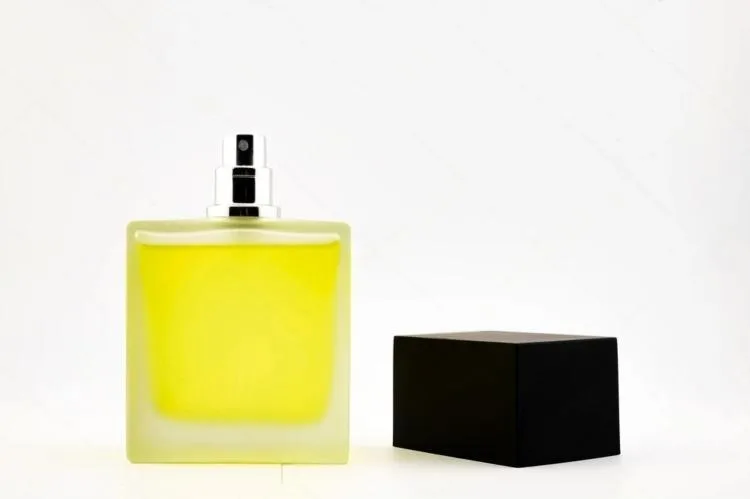
In a world saturated with digital content, the physical experience of a product matters more than ever. A smooth, matte finish or a finely ribbed glass surface invites touch and creates a sensory experience that a simple glossy bottle can't match. This tactile quality makes the product feel more substantial and luxurious in a very modern way. From a visual standpoint, a strong monochrome palette provides a powerful backdrop that makes your brand's logo pop. It looks clean and confident in user-generated photos, which is free marketing. I always advise clients that the texture is what elevates a simple shape from "plain" to "purposefully designed."
The Impact of Different Glass Textures
| Texture Type | Visual Effect | Tactile Sensation | Best For Brands That Are... |
|---|---|---|---|
| Frosted/Matte | Soft, diffused, premium | Smooth, velvety, non-slip | Sophisticated, understated, modern. |
| Ribbed/Fluted | Creates highlights & shadows | Structured, grippy, interesting | Architectural, classic with a twist. |
| Crackle/Coated | Unique, artistic, distressed | Varies, can be rough or smooth | Edgy, artisanal, story-driven. |
| High Gloss | Reflective, clean, vibrant | Slippery, classic, smooth | Bold, high-energy, pop-inspired. |
How Do Brands Like Glossier6 Use Minimalism to Build Authenticity?
You've invested heavily in developing a unique, high-quality fragrance. The fear is that an overly complex or decorative bottle will overshadow the scent itself, making your brand feel inauthentic or like it's trying too hard to impress.
Brands like Glossier6 and Maison Margiela7's 'Replica' line use minimalist bottles to signal transparency and confidence. The simple design acts as a "blank canvas," making the product's name, story, and quality the main attraction, which builds trust with consumers.
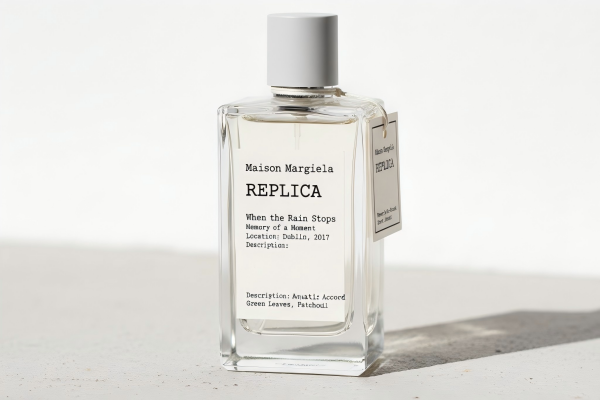
I often point to Maison Margiela7's 'Replica' series as a masterclass in this strategy. The bottles are inspired by classic apothecary jars, with a simple cotton label that just says "By the Fireplace" or "Beach Walk." The bottle doesn't try to be anything other than a container for a memory. It immediately makes you curious about the scent, not the packaging. This is the essence of minimalist branding for Gen Z.
The 'Blank Canvas' Strategy
This approach puts the spotlight squarely on what makes your product special. Instead of the bottle screaming for attention, it quietly and confidently presents the fragrance. The name of the scent becomes the art. This is incredibly effective for fragrances with a strong conceptual story or unique ingredient list.
Signaling Honesty and Transparency
Glossier6 built an empire on the philosophy of "skin first, makeup second." Their packaging reflects this perfectly. It's clean, simple, and functional, communicating that the product inside is straightforward and effective. For Gen Z, who are wary of deceptive marketing, this visual honesty is a powerful tool for building brand loyalty9. It suggests you're so confident in your product that you don't need a flashy bottle to sell it.
Conclusion
To win over the Gen Z market, embrace minimalist design. Use monochrome palettes2 and engaging textures3 to create a bottle that feels premium and authentic, making your unique fragrance the undisputed hero.
Explore how minimalist bottles can enhance brand perception and attract Gen Z consumers. ↩
Learn about the psychological impact of monochrome designs on consumer choices. ↩
Discover how textures can elevate product appeal and enhance customer experience. ↩
Understand the significance of authenticity in building trust with younger consumers. ↩
Find out how storytelling can create emotional connections with fragrance consumers. ↩
Investigate Glossier's innovative marketing tactics that resonate with Gen Z. ↩
Explore Maison Margiela's approach to branding and its impact on consumer perception. ↩
Discover strategies for enhancing visual appeal in a crowded digital landscape. ↩
Understand the key elements that foster brand loyalty in the Gen Z demographic. ↩