Choosing a perfume cap1 seems like a small detail, but getting it wrong can cheapen your brand's luxury image instantly. A flimsy cap can undermine a beautifully designed bottle and an exquisite fragrance.
The best cap material depends on your brand's identity and price point. Plastics like ABS are cost-effective for mass-market lines, while metal (Zamak2) offers a heavy, luxurious feel for premium brands. Natural materials like wood or glass create a niche, artisanal appeal.
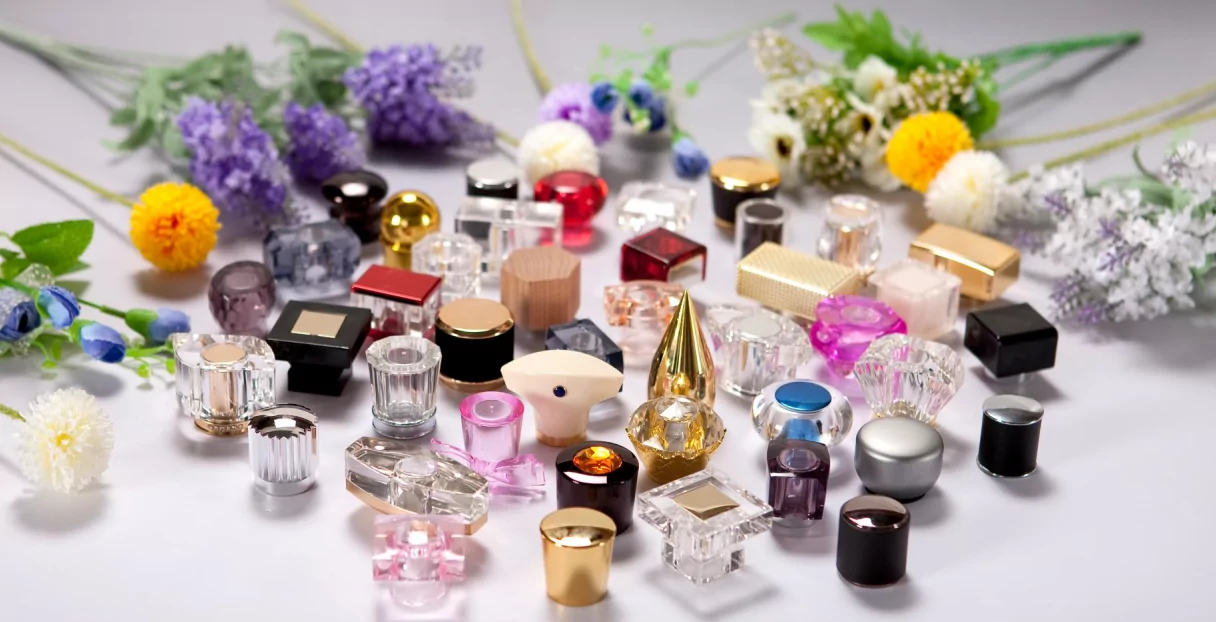
The cap is the first part of the perfume a customer physically interacts with. It’s a handshake with your brand. The weight, the sound it makes when it clicks shut, and the feel of the material in their hand all send a subconscious message about quality. As someone who handles these components every day, I've seen brands succeed and fail based on this single choice. Let's break down the options so you can choose a cap that tells the right story for your fragrance.
Plastic Perfume Caps: Are They a Good Choice for Your Brand?
You hear "plastic" and might immediately think "cheap." This assumption can cause you to overlook versatile materials that, when used correctly, can feel incredibly premium and bring complex designs to life.
Yes, high-quality plastics are a fantastic choice. Luxury brands frequently use Surlyn3 for its glass-like clarity and soft feel, or weighted ABS to provide a satisfying heft without the cost of metal. These materials offer immense design flexibility and are suitable for a wide range of brand positions.
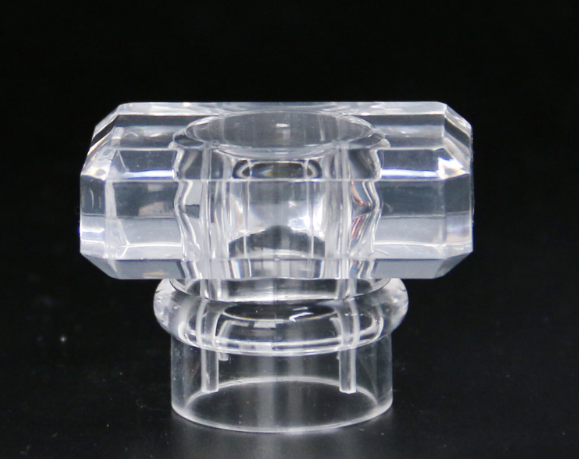
The word "plastic" covers a huge range of materials, each with a different feel and purpose. Thinking all plastic is the same is a common mistake I see. I once had a client who wanted the substantial feel of a metal cap but was working with a tighter budget. We designed an ABS cap with a hidden weight inside. The final product felt heavy and cool to the touch, delivering a premium experience at a fraction of the cost. It’s not about avoiding plastic; it’s about choosing the right plastic and using it intelligently to match your brand's identity.
Common Plastic Cap Materials:
| Material | Key Strengths | Best For | Weaknesses |
|---|---|---|---|
| ABS Plastic | Very cost-effective, easy to mold and color. | Mass-market to mid-range brands. | Can feel lightweight and cheap if not weighted. |
| Acrylic (PMMA) | High transparency, looks like glass. | Modern, minimalist, and geometric designs. | Can be brittle and crack if dropped. |
| Surlyn3 | Superior clarity, soft touch, chemical resistant. | High-end and luxury brands. | More expensive than other plastics. |
Metal and Resin Caps: When Should You Invest in a Premium Feel?
Your fragrance is positioned as the absolute peak of luxury, but the cap feels light and insignificant. This disconnect can make customers question the price tag and the quality of what's inside the bottle.
Invest in metal (Zamak2) or resin when your brand's core identity is luxury, exclusivity, or artistry. The heavy, cool touch of a Zamak2 cap or the unique form of a resin cap instantly communicates high-end quality and justifies a premium price point.
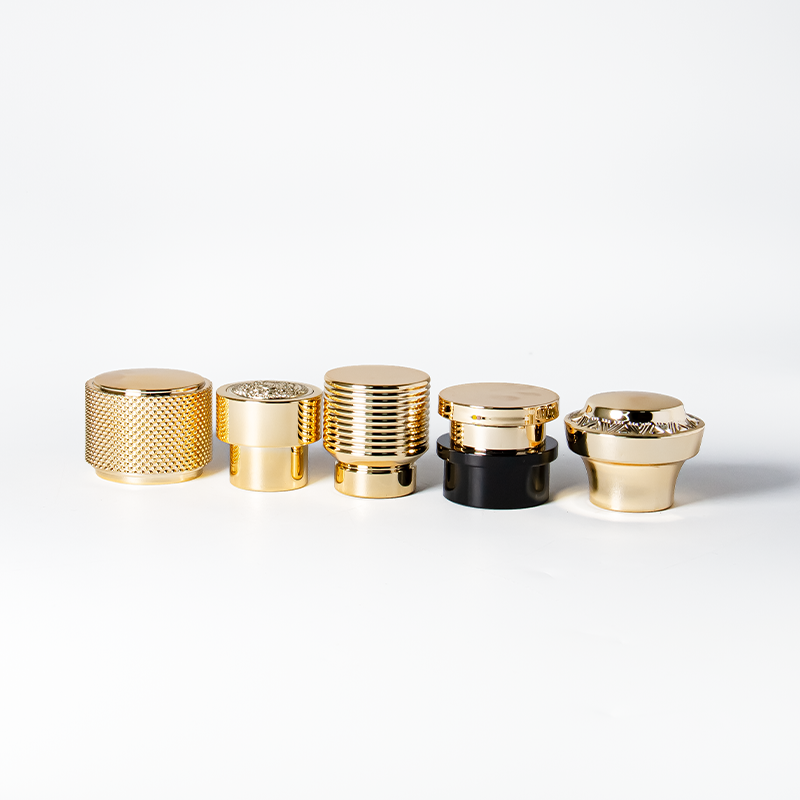
There is simply no substitute for the feeling of a heavy, cool-to-the-touch metal cap. Zamak2, a zinc alloy, is the gold standard for luxury perfume cap1s. It can be molded into incredibly intricate and unique shapes and then plated in gold, silver, or other finishes. It tells the customer, "This is a high-quality product." Resin offers a different kind of luxury—the luxury of artistry. Because it’s a moldable polymer, you can create unique, sculptural shapes that are impossible with other materials. This makes it perfect for niche or bespoke brands that want to make a bold artistic statement. These materials are an investment, but for a top-tier brand, they are essential for creating a cohesive and convincing luxury experience.
Natural Materials: Can Wood, Glass, or Ceramic Caps Elevate Your Perfume?
Your brand story is all about nature, simplicity, and authenticity, but your packaging is generic plastic or metal. This clash between message and material can confuse customers and make your brand feel inauthentic.
Absolutely. Natural materials like wood, glass, or ceramic are perfect for brands focused on eco-consciousness, minimalism, or artisanal craftsmanship. A unique wood grain or a smooth ceramic top can create a powerful emotional connection and set your product apart.
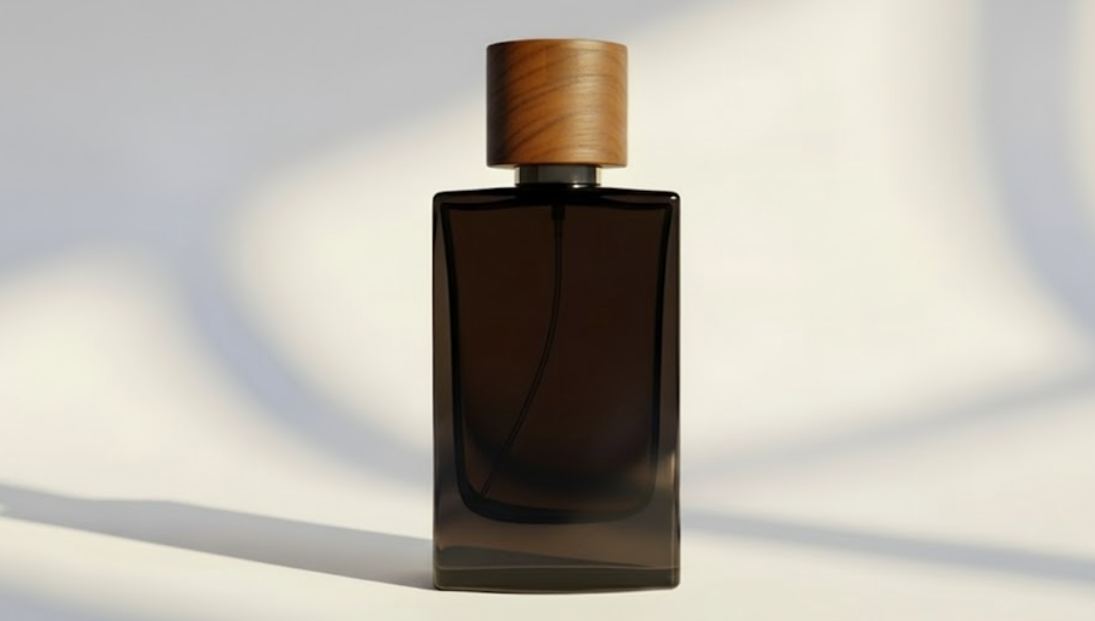
Using natural materials for a cap is a powerful storytelling tool. A wooden cap, especially from a sustainable source like FSC-certified wood, immediately aligns your product with eco-friendly values. Each cap has a unique grain, making every bottle one-of-a-kind. Glass caps create a seamless, elegant look, unifying the cap and bottle into a single, minimalist object. Ceramic offers an artisanal, handcrafted feel and can be glazed in custom colors for limited editions. While these materials can be more fragile or require more complex engineering for a proper seal, the authenticity they bring is invaluable for brands that want to connect with customers on a deeper, more organic level. They don't just close the bottle; they complete the story.
Conclusion
The cap is more than a closure; it's a key part of your brand's narrative. By carefully selecting a material that aligns with your story and price point, you create a cohesive and memorable product experience.