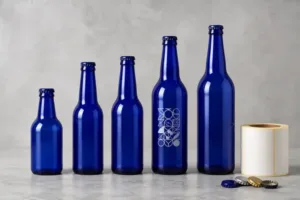
Are your profit margins shattering along with your glass bottles in transit? For direct-to-consumer (DTC) brands selling premium spirits, wine, cosmetics, or gourmet foods, shipping glass bottles is a high-stakes operation. While glass remains the gold standard for premium packaging, its fragility presents a significant logistical challenge. Every broken bottle not only represents lost product and shipping costs but also damages customer trust and brand reputation. This guide explores the true cost of shipping damage and provides actionable strategies to build a resilient, zero-breakage e-commerce packaging system.
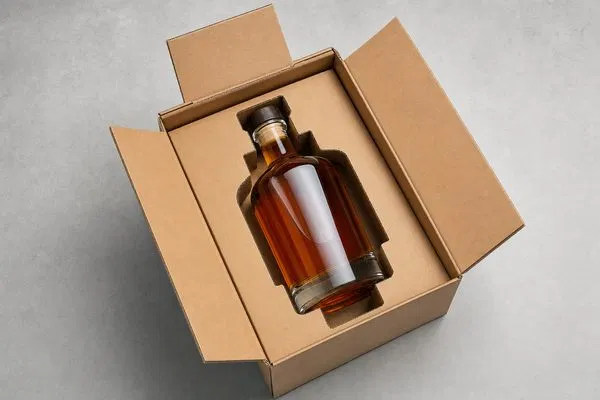
The True Cost of Glass Shipment Damage
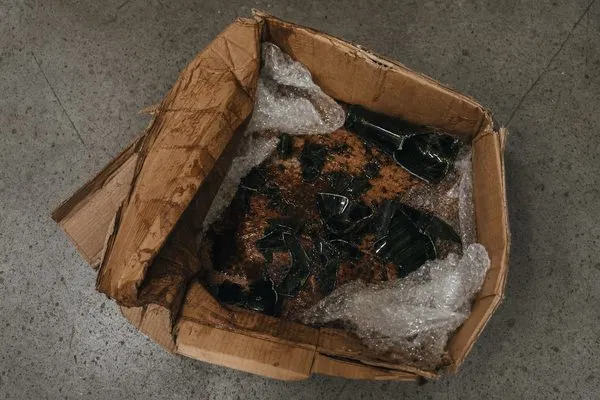
The financial impact of broken glass extends far beyond the cost of the shattered container and the spilled liquid. In the broader glass industry, shipment damage is a staggering $4.7 billion annual problem [1]. For e-commerce brands, the costs compound quickly.
The Ripple Effect of Breakage. When a customer receives a broken bottle, the brand must absorb the cost of the original product, the original shipping fee, the replacement product, and the expedited shipping fee to make things right. Furthermore, inadequate packaging is a primary driver of these losses. Common failures include insufficient cushioning, incorrect box sizes that allow movement, and weak materials that cannot withstand stacking stress [2]. In the competitive DTC landscape, a single poor unboxing experience—especially one involving broken glass—can permanently lose a customer.
Balancing Protection and Presentation. The challenge for e-commerce brands is finding the sweet spot between maximum protection and an elegant unboxing experience. Burying a premium bottle of whiskey in layers of messy foam peanuts or excessive bubble wrap might prevent breakage, but it destroys the luxury feel of the product [3]. Modern consumers expect packaging that is both secure and aesthetically pleasing.
Best Practices for E-Commerce Glass Packaging
To achieve near-zero breakage rates while maintaining a premium brand image, DTC companies must move away from generic packing materials and invest in engineered solutions tailored to their specific bottles.
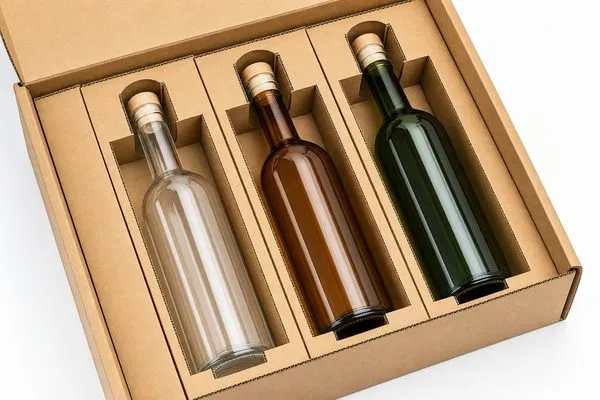
Die-Cut Corrugated Inserts. One of the most effective and versatile solutions for shipping glass is the custom die-cut corrugated insert. Unlike loose fill, these inserts are engineered to hold the bottle firmly in place, preventing product-to-product contact and absorbing external shocks. They are eco-friendly, cost-effective at scale, and provide excellent product visibility upon opening, enhancing the unboxing experience [3].
Molded Pulp and Custom Foam. For particularly heavy or high-value items, molded pulp or custom-cut foam inserts offer superior impact resistance. Molded pulp is highly sustainable and provides excellent bracing, while custom foam (such as EPS or polyethylene) offers a precise fit that standard bubble wrap simply cannot match. When shipping spirits, it is also crucial to ensure that the chosen packaging meets the specific requirements of carriers like UPS or FedEx, which often mandate specific inner packaging materials for alcohol shipments.
A Glimpse into Shipping History: Before the invention of corrugated cardboard in the late 19th century, glass bottles were shipped in heavy wooden crates packed with straw or sawdust. This method was not only incredibly heavy—driving up transport costs—but also highly flammable and messy. The shift to engineered paper packaging revolutionized global trade, making the mass distribution of bottled goods economically viable.
Building a Resilient Packaging Strategy
Implementing a successful glass shipping strategy requires a holistic approach that considers the bottle design, the secondary packaging, and the shipping environment.
The Three-Tier Approach. A robust packaging system consists of three layers: the primary packaging (the glass bottle itself, which should be designed with adequate wall thickness and structural integrity), the secondary packaging (the insert that immobilizes the bottle), and the tertiary packaging (the outer shipping carton, which must be rated for the appropriate crush resistance). All three layers must work in harmony.
Testing and Validation. Never launch a new e-commerce packaging solution without rigorous testing. Conduct drop tests, vibration tests, and real-world shipping trials to identify vulnerabilities before they result in customer complaints. Partnering with a packaging supplier who understands the nuances of glass—from cap closures to glass thickness—is essential for developing a solution that works.
| Packaging Material | Pros | Cons |
|---|---|---|
| Die-Cut Corrugated | Eco-friendly, excellent presentation, low unit cost | Requires upfront tooling cost, high MOQ |
| Molded Pulp | Highly sustainable, excellent shock absorption | Can look utilitarian, high tooling costs |
| Custom Foam (EPS/PE) | Maximum impact resistance, precise fit | Poor environmental profile, bulky storage |
| Bubble Wrap / Loose Fill | Cheap, readily available, no tooling required | Poor unboxing experience, inconsistent protection |
Conclusion: Protect Your Product, Protect Your Brand
In the e-commerce space, your shipping box is the only physical touchpoint you have with your customer. When shipping glass bottles, investing in engineered, custom-fit packaging is not an optional expense; it is a critical strategy for protecting your profit margins and your brand reputation. By moving away from messy loose fill and embracing solutions like die-cut corrugated inserts, brands can deliver a premium unboxing experience without the fear of breakage.
At GlassyPack, we understand that a beautiful custom bottle is only successful if it arrives intact. We design our glass packaging with structural integrity in mind, ensuring it can withstand the rigors of modern e-commerce logistics. If you are looking for a glass packaging partner who understands the complete journey from factory to front porch, contact us today at sales@glassypack.com or visit our Contact Us page to discuss your next project.
References
[1] Impact-O-Graph. (2025). The True Cost of Glass Shipment Damage: A $4.7 Billion Problem. https://impactograph.com/the-true-cost-of-glass-shipment-damage-a-4-7-billion-problem-with-a-data-driven-solution/
[2] Fleetworks. (2025). Freight Damage Rates: Statistics & Prevention Guide 2025. https://www.fleetworks.ai/resources/freight-damage-rates
[3] Salazar Packaging. (2019). Glass Product Packaging for E-commerce Shipping. https://www.salazarpackaging.com/glass-product-packaging-for-e-commerce-shipping/