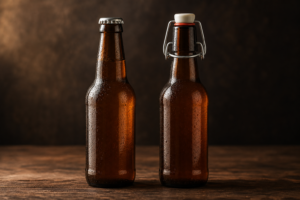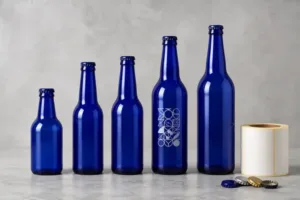
Is your spirit brand’s packaging telling the right story on the shelf? In the highly competitive world of premium spirits, the bottle is often the first interaction a consumer has with your brand. A custom glass bottle is more than just a container; it is a tactile representation of your brand’s heritage, quality, and identity. As the market shifts toward “quiet luxury” and tactile storytelling, standard off-the-shelf bottles are no longer enough to capture attention. This guide walks you through the complete process of designing and producing a custom spirit bottle, from the initial concept sketch to the final mass production run.
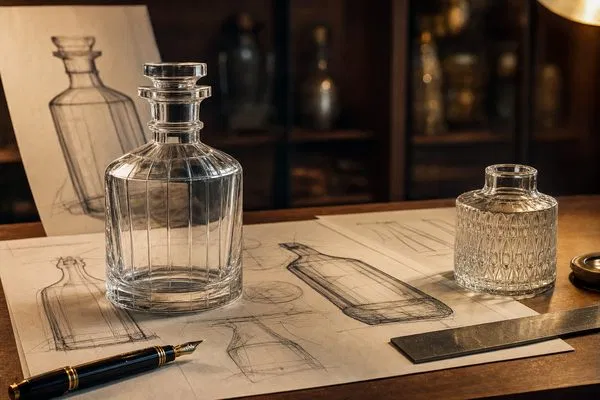
The Shift Toward Tactile Storytelling
The definition of premium packaging in the spirits industry is evolving. For years, luxury was defined by heavy, oversized glass and elaborate, flashy labels. Today, the trend is shifting toward “quiet luxury”—a focus on intelligent design, ergonomic shapes, and tactile experiences.
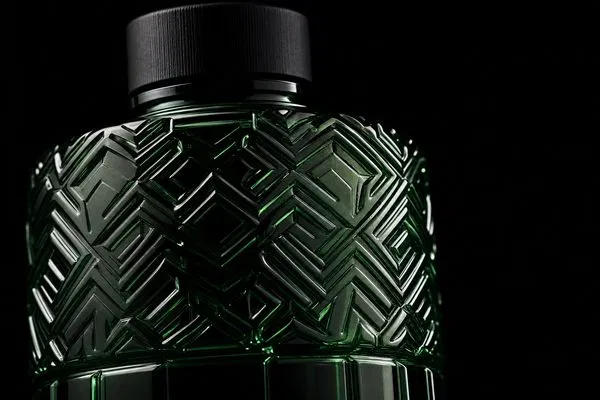
The Dopamine of Touch. According to recent industry insights, the physical touch of a bottle has become a critical “dopamine” moment for consumers [1]. When a consumer picks up a bottle of whiskey or gin, the weight distribution, the texture of the glass, and the grip all communicate the quality of the liquid inside. Brands are increasingly investing in custom molds that feature debossed logos, intricate surface textures, and ergonomic profiles that make pouring a deliberate, satisfying experience.
Authenticity Through Customization. Craft and premium offerings prioritize glass for its authenticity and design versatility. A custom bottle allows a brand to embed its story directly into the packaging. Whether it is a geometric shape inspired by Art Deco architecture or a textured surface that mimics the rugged landscape of the distillery’s origin, custom glass transforms a product into a collectible object.
While the benefits of a custom bottle are clear, the journey from concept to reality requires careful planning. For B2B buyers and brand owners, the biggest risks in custom glass packaging development are usually timing and uncertainty.
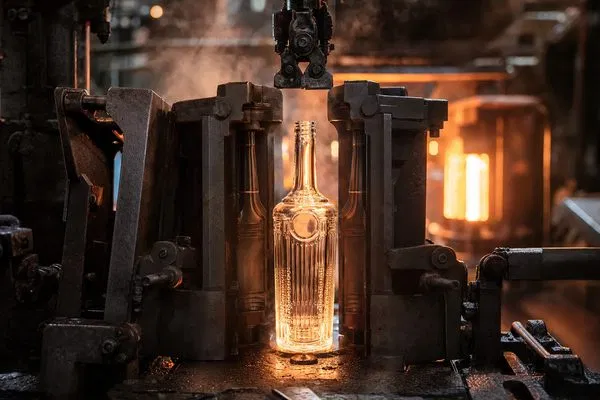
Understanding the Timeline. Developing a custom glass bottle is a multi-stage engineering process. It begins with concept design and technical definition, where 3D models and industrial drawings are created to ensure the bottle can be manufactured efficiently and works with filling lines. This is followed by mold development and sampling. Typically, creating the initial white glass samples from a new mold can take several weeks [2]. Only after these samples are approved for shape, dimensions, and ergonomics does the project move to decorated samples and eventually mass production.
Managing MOQs and Costs. Custom molds require a significant upfront investment in tooling. To amortize these costs, glass manufacturers typically require Minimum Order Quantities (MOQs) that are higher than those for stock bottles. A missed launch window or a delayed test can cause real commercial damage, making it crucial to partner with a manufacturer who provides transparent, realistic lead times rather than generic estimates.
A Glimpse into Glass History: The iconic square shape of the Johnnie Walker bottle wasn’t just a design choice; it was a brilliant logistical innovation. Introduced in 1860 by Alexander Walker, the square bottle allowed more bottles to fit into a shipping crate, reducing breakages and maximizing export efficiency as the brand expanded globally. It proves that the best custom bottle designs solve practical problems while creating an unforgettable brand identity.
The Solution: A Structured Path to Production
To successfully launch a custom spirit bottle, brands need a structured development workflow that connects design, tooling, decoration, and long-term supply into one predictable roadmap.
Step 1: Concept and Technical Definition. The process starts by translating your brand brief into feasible concepts. This includes defining the bottle shape, shoulder lines, base profile, and neck finish to ensure compatibility with your chosen closure (e.g., cork, screw cap, or glass stopper). Engineering drawings are created to define wall thickness, weight targets, and label areas, ensuring the design is robust and line-friendly.
Step 2: Tooling and Sampling. Once the technical drawings are approved, the manufacturer produces the custom molds. You will receive physical glass samples to validate the design in the real world. This is the critical stage to test ergonomics, stability, and visual appeal before committing to mass production.
Step 3: Validation and Mass Production. Before full-scale manufacturing begins, the samples undergo rigorous testing, including compatibility tests with your spirit and line trials on filling equipment. Once validated, the project moves into mass production, where the focus shifts to maintaining consistent visual quality, optimizing palletization, and ensuring reliable export-ready supply.
| Development Phase | Key Activities | Brand Owner Focus |
|---|---|---|
| 1. Concept & Design | 3D modeling, technical drawings, closure matching | Brand alignment, aesthetic approval |
| 2. Tooling & Sampling | Mold manufacturing, white glass sampling | Ergonomic testing, physical validation |
| 3. Decoration & Testing | Applying finishes (frosting, embossing), line trials | Final visual approval, filling compatibility |
| 4. Mass Production | Full-scale manufacturing, quality control, logistics | Launch planning, inventory management |
Conclusion: Bringing Your Vision to Life
Designing a custom spirit bottle is a significant investment, but it is one of the most powerful ways to differentiate your brand in a crowded market. By understanding the development timeline, embracing tactile design trends, and partnering with an experienced manufacturer, you can create a bottle that not only protects your spirit but elevates the entire consumer experience.
At GlassyPack, we specialize in turning ambitious concepts into production-ready realities. With our in-house design team and comprehensive mold development capabilities, we guide you through every step of the custom glass process. If you are ready to start designing your brand’s signature bottle, contact us today at sales@glassypack.com or visit our Contact Us page for a free design feasibility assessment.
References
[1] Global Package. (2026, January). 2026 Glass Packaging Trends: Shaping the Future of Wine & Spirits. https://globalpackage.net/2026-glass-packaging-trends-wine-spirits/
[2] Kandacork Glass. (2026). Process & Lead Times for Custom Glass Packaging Projects. https://kandacorkglass.com/custom-development/process-lead-times/