
Your pantry is a jumble of mismatched plastic containers, and you're constantly worried about food freshness1 and the health risks of BPA. You want a sustainable2, organized, and safe way to store your food, but the options are overwhelming.
Mason jars3 are the best storage solution because their airtight seal4 preserves food, their glass material5 is non-toxic6 and infinitely reusable, and their versatility7 fits any storage need. They are the key to a healthier, more sustainable2 home.
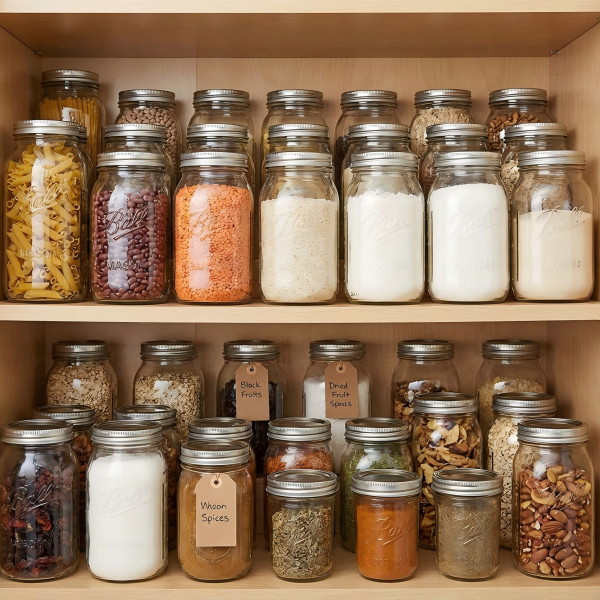
As someone who has spent over a decade in the glass industry, I've seen countless packaging trends come and go. But the Mason jar isn't a trend; it's a timeless classic. In a world drowning in plastic, these simple glass jars have become quiet heroes. I’ve personally replaced almost all the plastic in my kitchen with them, and the difference is incredible. My food lasts longer, my pantry looks amazing, and I feel better knowing my family’s food isn’t touching questionable chemicals. Let me show you why this 19th-century invention is more relevant today than ever.
What Exactly Is a Mason Jar, and Is It Truly Airtight?
You've bought food in what you thought was a sealed container, only to find it stale or spoiled a few days later. You're skeptical about whether any container can really keep air out effectively.
A Mason jar is a glass jar featuring a threaded neck and a two-part lid: a flat disk with a rubber seal and a separate screw-on band. When properly sealed, this design creates a vacuum that prevents air and bacteria from entering, ensuring long-term freshness.
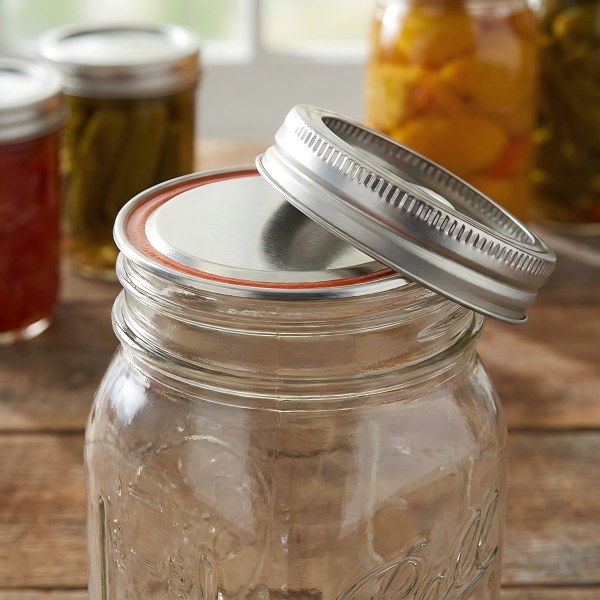
The genius of the Mason jar is its simple yet effective sealing mechanism. It’s not just a screw-on lid; it’s a system. The flat disk has a ring of gummy, rubber-like compound that softens when heated during canning. As the jar and its contents cool, the lid is sucked down, creating a hermetic, vacuum seal. You can test it by pressing the center of the lid—if it doesn't pop back, it's sealed. In an era where food safety is paramount, this is a huge advantage. As we move towards more organic, preservative-free8 diets, protecting our ingredients from contamination is critical. Unlike plastic, which can leach chemicals like BPA, glass is inert. It doesn't react with food, so your organic berries or homemade sauce tastes exactly as it should, pure and untainted. This makes Mason jars3 the perfect partner for a clean, healthy kitchen.
How Did a 19th-Century Jar Become a Modern Must-Have?
Trends are always changing, and you might wonder if the Mason jar is just another hipster fad that will fade away. Is it really worth investing in for the long haul?
Invented in 1858, the Mason jar’s modern resurgence is driven by post-pandemic lifestyle shifts. A renewed focus on home cooking9, gardening, and reducing grocery trips has made reliable, long-term food storage an essential part of a healthy, self-sufficient household.
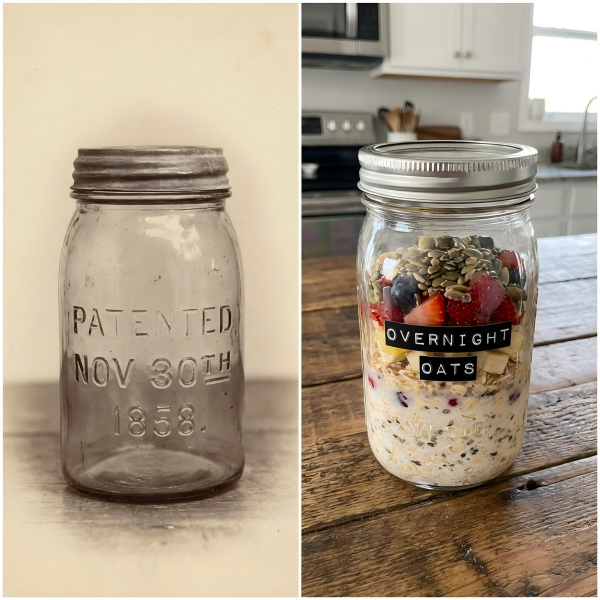
The journey of the Mason jar is a fascinating story of resilience. John Landis Mason's 1858 invention revolutionized home canning, but its recent comeback is tied directly to our modern desire for security and wellness. The global pandemic reminded us of the importance of having a well-stocked pantry. This spurred a massive revival in home gardening, baking, and preserving. People wanted to control their food supply and reduce their trips to the store. Mason jars3 were the perfect tool for this—allowing families to safely store everything from sourdough starter to garden-fresh10 tomato sauce. This "back to basics" movement is also linked to health. By preparing and storing our own food, we support our immune systems with nutrient-rich11, preservative-free8 meals. So, far from being a fleeting trend, the Mason jar has re-established itself as an indispensable tool for modern, conscious living.
Are All Mason Jars the Same?
You go to buy Mason jars3 and are faced with a wall of options: regular mouth, wide mouth, pint, quart. The choices are confusing, and you're not sure which one you actually need.
No, Mason jars3 primarily come in two types—regular and wide mouth—and various sizes, from small 4oz jars to large half-gallon containers. The right choice depends on the intended use, with wide-mouth jars being better for packing and regular-mouth for liquids.
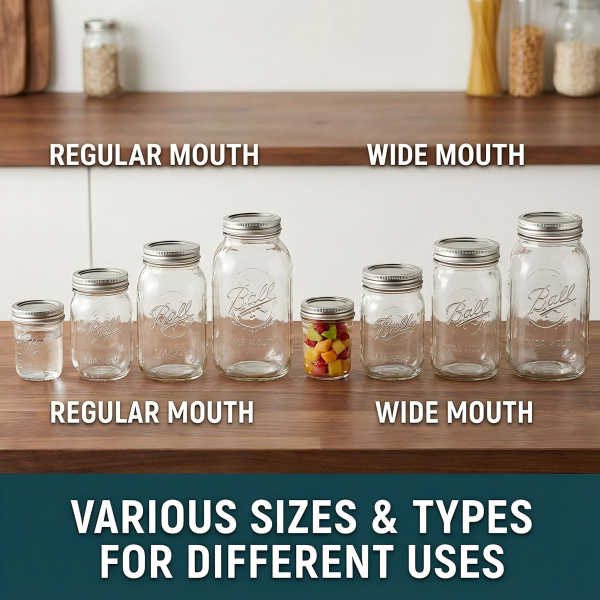
Choosing the right Mason jar can make your life much easier. The two main differences are the opening and the volume. Here’s a quick breakdown to help you decide:
| Jar Type | Best For | Why? |
|---|---|---|
| Regular Mouth | Pouring liquids, jams, sauces, spices | The narrower opening and shoulder prevent splashes and make it easy to pour. |
| Wide Mouth | Stacking, packing, fermenting, salads | The opening is the same width as the jar, making it easy to fill, empty, and clean. |
Beyond the opening, sizes are designed for specific tasks: 4oz for spices, 8oz (half-pint) for jams, 16oz (pint) for meal-prep salads, 32oz (quart) for grains, and 64oz (half-gallon) for bulk flour or kombucha. And the innovation isn't stopping. We're on the cusp of seeing "smart Mason jars3" with lids that track humidity and freshness, sending alerts to your phone. Imagine your pantry telling you when your coffee beans are no longer at their peak! This blend of timeless design and future technology ensures the Mason jar will remain a kitchen staple for years to come.
Why Are Mason Jars Better Than Other Containers?
You already have a cupboard full of plastic containers, and they seem to work just fine. Is it really worth the effort and cost to switch over to glass?
Mason jars3 are superior because they are endlessly reusable, completely non-toxic6 (BPA-free12), and non-reactive, meaning they won't stain or absorb odors and flavors. Their durability and versatility7 make them a more sustainable2, healthier, and cost-effective choice in the long run.
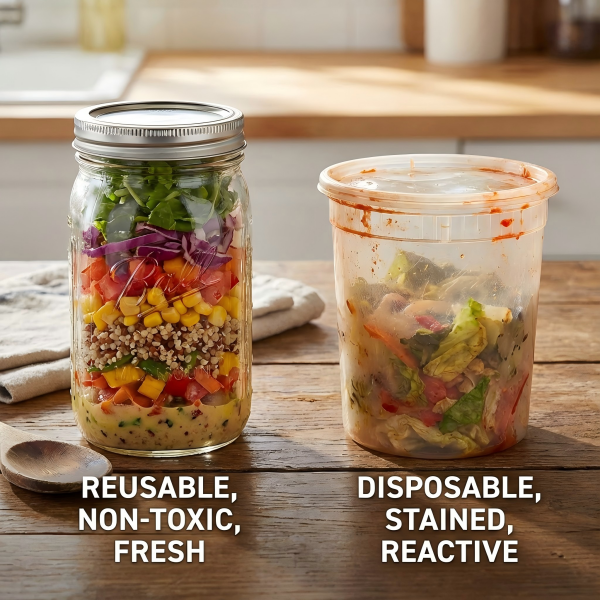
Let's be direct: plastic containers can't compete. Have you ever stored tomato sauce in a plastic tub, only to have it permanently stained orange? Or noticed your water tastes like plastic? That doesn't happen with glass. As a glass manufacturer, I'm passionate about the purity of the material. Glass is made from natural ingredients like sand, it’s chemically inert, and it’s impermeable. It creates a perfect barrier against the outside world. This is why it’s the gold standard for packaging fine wines and perfumes—and why it should be for your food. The environmental argument is even stronger. With global initiatives like the EU's single-use plastics ban, we are all being pushed to find better alternatives. One Mason jar can replace hundreds of disposable plastic bags or containers in its lifetime, dramatically reducing your carbon footprint and contribution to landfill waste. It's a simple switch with a powerful impact.
What Can You Actually Do With a Mason Jar?
You think Mason jars3 are just for canning pickles and jams, like your grandmother used to do. You're not sure how they would fit into your modern lifestyle beyond that.
Beyond traditional canning, Mason jars3 are perfect for modern uses like meal-prepped13 layered salads, overnight oats, smoothies, and storing plant-based milks. They also double as stylish home decor, from flower vases to party lanterns.
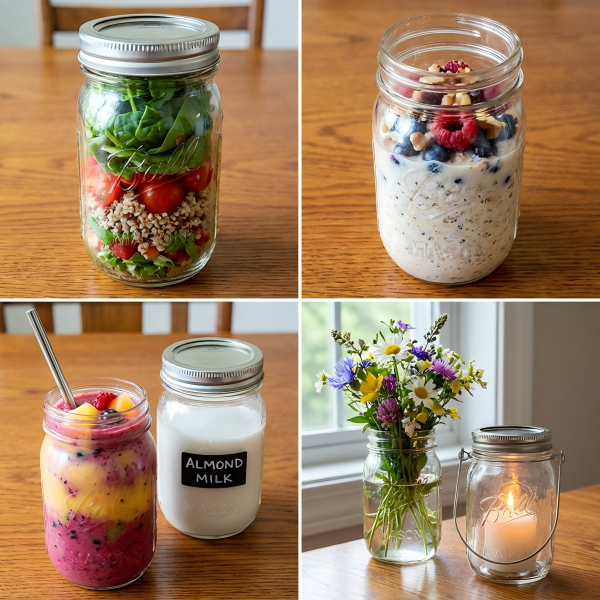
The versatility7 of the Mason jar is truly its superpower. In my house, they're used for everything! Here are just a few of the ways they’ve become essential in my daily routine and a viral hit on social media:
- Meal Prep Lunch Box: Layered salads stay crisp for days (dressing on the bottom!).
- Spice Rack: Small 4oz jars create a uniform and beautiful spice collection.
- Bathroom Organizer: Perfect for holding cotton balls, swabs, and makeup brushes.
- Garden Seed Starter: Start seedlings right on your windowsill.
- DIY Party Favors: Fill with homemade jam or cookie mix for a personal gift.
- Emergency Candle Holder: A tea light or taper candle fits perfectly for a rustic lantern.
- Zero-Waste Travel Kit: Decant shampoo and lotion for trips.
- Desk Organizer: Tame pens, paperclips, and other office supplies.
- Pet Treat Canister: Keep your furry friend's snacks fresh and handy.
- Holiday Decor: Create a mini snow globe for Christmas or fill with fairy lights.
The rise of plant-based diets has also given them a new role. They are ideal for making and storing homemade nut milks, fermenting vegetables14 like kimchi for gut health, or keeping sprouted lentils fresh. The possibilities are truly endless.
What Are the Alternatives to Mason Jars?
You've seen other stylish glass jars, like Weck or Le Parfait, and you're wondering if they are better. Are Mason jars3 really the best option, or are you missing out on something else?
While alternatives like Weck and Le Parfait jars are beautiful, they are often more expensive and less readily available. Standard Mason jars3 offer the best balance of cost-effectiveness, durability, and universal availability of replacement parts, making them the most practical choice.
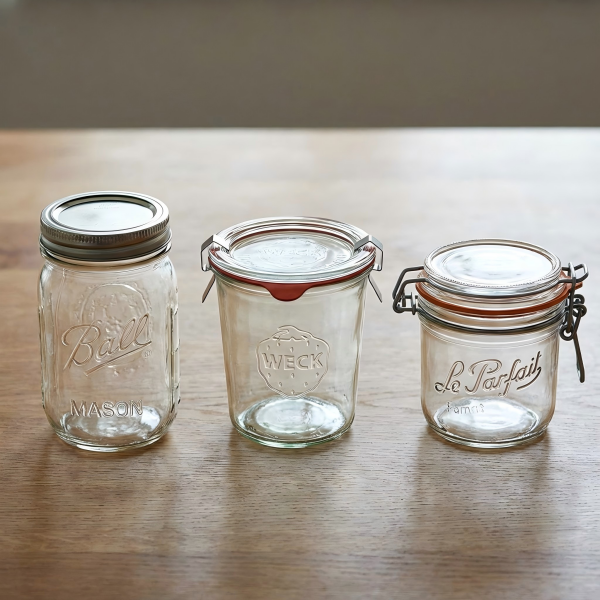
It's true, there are other great glass jars on the market, and I appreciate the craftsmanship of all of them. Weck jars, with their glass lids and rubber rings, are incredibly stylish but can be pricey, and the small metal clips are easy to lose. Le Parfait jars have a classic European feel with their wire-bail closure, but the attached lid can sometimes be cumbersome. Here's why I still believe the classic Mason jar wins for most people:
- Cost and Availability: Mason jars3 are affordable and can be found almost anywhere, from grocery stores to hardware shops.
- Interchangeable Parts: A regular mouth lid from one brand will fit another. This makes finding replacement lids and bands incredibly easy and cheap.
- Proven Track Record: This design has been trusted for over 150 years for a reason. It works, and it's reliable.
Looking ahead, we're seeing exciting innovations like biodegradable lids15 from cornstarch or lids from recycled ocean plastic, but the classic two-part metal lid remains the gold standard for a true vacuum seal. For everyday reliability and value, the Mason jar is simply unbeatable.
Conclusion
The Mason jar is more than just a container; it's a symbol of sustainability, health, and self-sufficiency16. Its timeless design and endless versatility7 make it the smartest storage choice for any modern home.
Get tips on preserving food freshness and the role of storage containers in this process. ↩
Find out how using Mason jars can reduce plastic waste and promote eco-friendly living. ↩
Explore the advantages of Mason jars, including their airtight seal and non-toxic materials, for healthier food storage. ↩
Learn about the science behind airtight seals and how they preserve food freshness effectively. ↩
Understand the benefits of glass over plastic for food storage, including safety and durability. ↩
Discover why non-toxic materials are essential for safe food storage and health. ↩
Explore the many creative ways Mason jars can be used beyond food storage. ↩
Discover the health benefits of eating preservative-free foods and how to achieve it. ↩
Learn about the resurgence of home cooking and its impact on food storage solutions. ↩
Find out the best methods for storing fresh produce to maintain its quality. ↩
Understand the importance of nutrient-rich foods for a healthy diet. ↩
Learn about the significance of BPA-free products for health and safety. ↩
Get started with meal prepping and see how Mason jars can simplify the process. ↩
Learn the basics of fermenting vegetables and how Mason jars can help. ↩
Discover the benefits of biodegradable lids for food storage and their environmental impact. ↩
Find out how to create a self-sufficient kitchen with smart storage solutions. ↩