
You've found a supplier with a great price and perfect samples. But what happens if the final shipment is a disaster, leaving you with thousands of unusable bottles and no recourse?
To choose the right supplier, you must evaluate both objective criteria and subjective traits. Objective factors include quality control, production capacity, and lead times. Subjectively, the supplier's integrity, company culture, and responsiveness are the most crucial indicators of a reliable long-term partner.
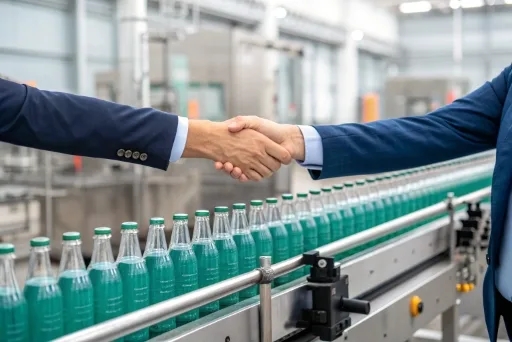
Choosing a supplier feels like a huge gamble, especially for a new brand. Your packaging is the first thing a customer touches; it has to be perfect. I've been in this industry for over a decade, and I've seen firsthand how the right partnership can make a brand succeed, while the wrong one can sink it before it even sets sail. It’s about more than just a good-looking sample. Let’s break down what you really need to look for.
What objective metrics should you never overlook?
It’s easy to get overwhelmed by technical spec sheets and factory audits. Focusing on the wrong details can mean missing critical red flags that lead to production delays and quality nightmares.
Focus on a supplier’s documented quality control processes, certifications (like ISO, FDA), production capacity, and transparent lead times. These hard facts provide a baseline for reliability and prove they can handle your order professionally and consistently, from sample to final shipment.
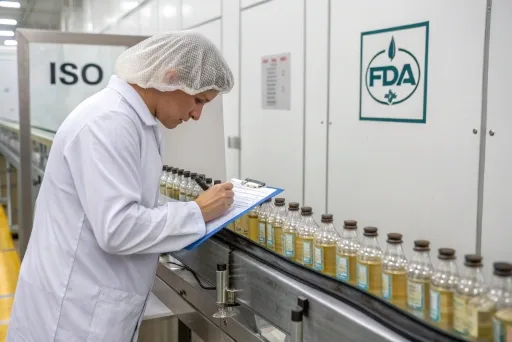
Before you even start talking about the "feel" of a partnership, you need to verify the facts. These objective criteria are your first line of defense against unreliable suppliers. They are the non-negotiable proof that a factory has the systems in place to deliver on its promises. At GlassyPack, we know that these details are the foundation of trust. For example, our quality control isn't just a final check; it's a multi-stage process, from inspecting raw materials for impurities to having automated and manual checks on every production line. This is the level of detail you should expect.
Key Objective Factors to Verify
| Metric | Why It Matters | What to Ask For |
|---|---|---|
| Quality Control System | Prevents receiving a bulk order that doesn't match the approved sample. | A detailed breakdown of their QC process: raw material checks, in-process inspections, and final product testing. |
| Certifications | Ensures products meet international safety and quality standards (e.g., FDA, EU food-grade). | Copies of current certifications like ISO 9001. |
| Production Capacity | Confirms they can handle your order volume without sacrificing quality or causing delays. | Daily output figures (e.g., our 24 lines produce 900 tons daily), and current production schedule. |
| Lead Times & Logistics | Provides a clear timeline for your launch and helps you manage your supply chain. | A clear schedule from order confirmation to shipping, including production and decoration times. |
| Pricing & Payment Terms | Transparent pricing prevents hidden costs. Flexible payment terms can help cash flow for new brands. | A detailed quote with no hidden fees and a clear explanation of payment milestones. |
Why is a supplier's integrity more important than their price?
You've found a supplier who ticks all the technical boxes and offers an unbeatable price. But a dishonest partner can still ruin your business with broken promises, leaving you with nothing.
A supplier's integrity is your greatest protection. An honest company that values its clients, its own staff, and even its own suppliers is one that will solve problems transparently and stand by its quality. This subjective quality is more critical than price for long-term success.

This is the most important lesson I’ve learned. I once worked with a new brand that found a supplier in Asia. The price was amazing. The first sample was perfect. The pre-production sample was also perfect. They paid in full and eagerly awaited their first big order. But what they received was a nightmare. The glass had bubbles, the sprayers leaked, and the color was inconsistent. When they tried to get a refund, the supplier vanished. The legal battle lasted for years and drained the brand's resources. This is what happens when you prioritize price over integrity.
How to Spot an Honest Partner
An honest company operates on a culture of respect.
- For their clients: They respond quickly, value your business regardless of its size, and are transparent about potential issues.
- For their employees: A company that treats its workers well is more likely to have a stable, experienced team dedicated to quality.
- For their own suppliers: They build long-term relationships, which ensures they get high-quality raw materials consistently.
At GlassyPack, our entire business is built on this principle of integrity. It's not just a word in a mission statement; it's how we operate every day. It's why we’re still here after more than a decade, working with brands that trust us to get it right every time.
Conclusion
Look beyond the price tag. Vet a supplier's objective capabilities rigorously, but make your final decision based on their integrity. A trustworthy partner is the safest investment you can make in your brand's future.