Understanding liquor bottle sizes is more than just knowing how much alcohol you’re buying. Whether you’re a casual consumer, a party planner, or a bar owner, knowing the various sizes of liquor bottles can help you make informed decisions about your purchases. From the standard 750 ml bottle to larger magnums and smaller nips, each size serves a specific purpose and fits different needs.
In this comprehensive guide, we’ll delve into the details of liquor bottle sizes, explore their significance in different contexts, and provide you with the knowledge you need to choose the right bottle size for any occasion. We’ll also address common questions, discuss pricing implications, and look at the historical and environmental factors influencing bottle sizes.
Whether you’re curious about how many shots are in a standard bottle or want to know the best size for a large gathering, this guide covers everything you need to know.
1.Standard Liquor Bottle Sizes Explained
Understanding the standard liquor bottle sizes is the foundation of making informed choices about your purchases. These sizes are universally recognized and are essential for everything from personal consumption to professional use in bars and restaurants.
1.1 What Is a Standard Liquor Bottle?
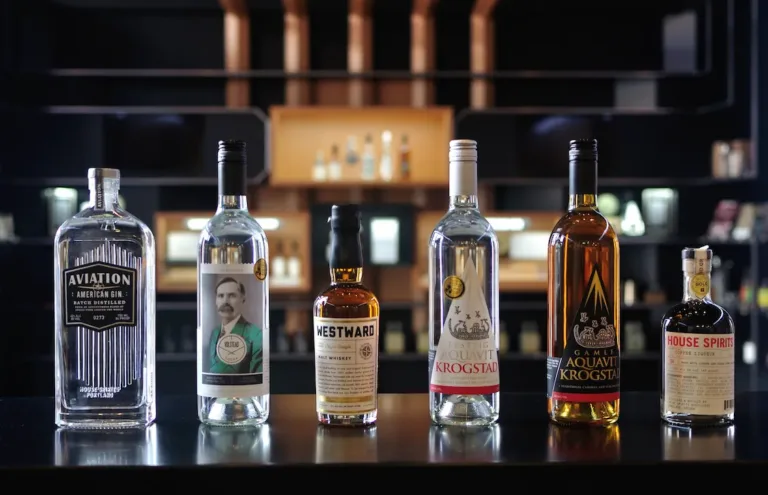
A standard liquor bottle refers to a commonly accepted bottle size that is widely used across the alcohol industry. The most familiar of these is the 750 ml bottle, often referred to as a “fifth” in the United States. This size became standardized in the U.S. in the 1980s, replacing the previously common one-fifth of a gallon (757 ml).
The 750 ml bottle is not only the standard for spirits like whiskey, vodka, and rum but also for wine. This size is used globally, making it the go-to size for most alcoholic beverages.
1.2 Overview of the Most Common Liquor Bottle Sizes
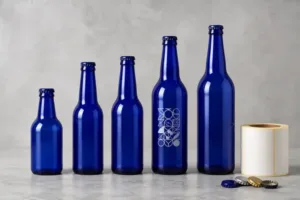
While the 750 ml bottle is the most common, there are several other sizes that cater to different needs. Below is a detailed breakdown of the most prevalent liquor bottle sizes:
| Bottle Size | Volume (ml) | Volume (oz) | Common Uses |
|---|---|---|---|
| 50 ml | 1.7 oz | Miniature or Nip | Samples, airline service |
| 200 ml | 6.8 oz | Pocket or Flask | Personal use, travel |
| 375 ml | 12.7 oz | Half Bottle | Sampling, smaller portions |
| 750 ml | 25.4 oz | Standard Bottle | Most common size for spirits/wine |
| 1 L | 33.8 oz | Liter Bottle | Hospitality, larger personal use |
| 1.5 L | 50.7 oz | Magnum Bottle | Parties, gatherings |
750 ml (Standard Bottle): This is the most widely recognized and used size for spirits and wine. It’s the go-to choice for both casual drinkers and professionals alike.
1.5 L (Magnum Bottle): Often used for wine and champagne, the magnum bottle is ideal for larger gatherings or special occasions. It holds twice the volume of a standard bottle, making it a popular choice for events.
375 ml (Half Bottle): As the name suggests, this bottle is half the size of a standard bottle. It’s perfect for those who want to enjoy a smaller portion without committing to a full bottle.
1 L (Liter Bottle): Commonly found in bars and restaurants, the liter bottle offers a larger volume, which can be more cost-effective for frequent use.
200 ml (Pocket or Flask Bottle): This size is convenient for on-the-go consumption. It’s small enough to fit in a pocket or flask, making it ideal for travel.
50 ml (Miniature or Nip Bottle): These tiny bottles are often used for samples or in settings where only a small amount of alcohol is needed, such as on airplanes or in hotel minibars.
Each of these sizes serves a unique purpose and caters to different needs. Whether you’re buying for personal consumption, a party, or a bar, understanding these sizes can help you make the right choice.
1.3 Conversion Between Liquor Bottle Sizes
When dealing with liquor bottle sizes, it’s essential to understand how to convert between different units of measurement. This knowledge is particularly useful when comparing prices, planning for events, or stocking a bar.
Conversion Basics:
Milliliters to Ounces: 1 milliliter (ml) is approximately 0.034 ounces (oz). Conversely, 1 ounce is approximately 29.57 milliliters.
Standard Conversions:
- 50 ml = 1.7 oz
- 200 ml = 6.8 oz
- 375 ml = 12.7 oz
- 750 ml = 25.4 oz
- 1 L = 33.8 oz
- 1.5 L = 50.7 oz
How Many Ounces Are in a Standard Liquor Bottle?
A standard 750 ml liquor bottle contains 25.4 ounces. This is equivalent to approximately 17 standard shots (1.5 oz per shot), which is the typical serving size for spirits.
How Many Shots Are in a Bottle?
- 50 ml Bottle: ~1 shot
- 200 ml Bottle: ~4 shots
- 375 ml Bottle: ~8 shots
- 750 ml Bottle: ~17 shots
- 1 L Bottle: ~22 shots
- 1.5 L Bottle: ~33 shots
Knowing these conversions and quantities can help you plan your purchases more effectively, whether you’re buying for personal use or for a larger event.
2.Why Liquor Bottle Sizes Matter
The size of a liquor bottle might seem like a simple detail, but it plays a significant role in various aspects of consumption, from personal use to event planning and bar management. Understanding the importance of different liquor bottle sizes can help you make more informed decisions, whether you’re buying for yourself, stocking a bar, or planning an event.
2.1 Personal Use
When it comes to personal use, selecting the right liquor bottle size is about balancing your needs with convenience and cost-effectiveness. For casual drinkers who enjoy a glass of whiskey or wine occasionally, a standard 750 ml bottle might be the ideal choice. It offers enough quantity to last a while without taking up too much space.
However, if you like to sample different spirits or wines, smaller sizes like the 375 ml half bottle or even the 50 ml miniature might be more appropriate. These sizes allow you to try a variety of options without committing to a full bottle, reducing waste and ensuring freshness.
owners, investing in decorative packaging can significantly elevate the product’s shelf presence, drawing customers who seek luxury and exclusivity.
Key Considerations for Personal Use:
- Consumption Frequency: If you drink regularly, larger bottles might be more cost-effective.
- Variety: Smaller bottles allow you to sample different types of alcohol without committing to a full bottle.
- Storage: Consider your storage space when choosing a bottle size, especially if you’re buying in bulk.
2.2 Event Planning
Event planning requires careful consideration of liquor bottle sizes to ensure you have enough alcohol for your guests without overspending or ending up with too much leftover. The right bottle size can help you achieve a balance between quantity and variety, allowing you to cater to different tastes and preferences.
How to Estimate Alcohol Consumption at an Event?
When planning an event, it’s essential to estimate how much alcohol you’ll need. A general rule of thumb is to assume that each guest will consume about two drinks during the first hour of the event and one drink per hour after that. Here’s a quick guide to help you calculate:
- 50 Guests for a 4-Hour Event:
- First hour: 50 guests x 2 drinks = 100 drinks
- Subsequent hours: 50 guests x 3 drinks (1 per hour) = 150 drinks
- Total: 250 drinks
- For 250 Drinks:
- Assuming standard 1.5 oz shots:
- 750 ml Bottles Needed: 250 drinks / 17 drinks per bottle = ~15 bottles
- 1 L Bottles Needed: 250 drinks / 22 drinks per bottle = ~12 bottles
- Assuming standard 1.5 oz shots:
This estimate ensures that you have enough alcohol to keep your guests satisfied without overbuying. For larger gatherings, magnum bottles (1.5 L) might be a better choice as they offer more servings per bottle and reduce the need for frequent refills.
Matching Bottle Sizes to Event Types
- Small Gatherings: Opt for standard 750 ml bottles or smaller, depending on the variety of spirits offered.
- Large Parties: Larger bottles like 1 L or 1.5 L are more cost-effective and reduce the number of bottles you need to manage.
- Special Occasions: Consider magnums or even larger bottles for an impressive presentation.
2.3 Bars and Restaurants
For bars and restaurants, selecting the right liquor bottle sizes is crucial for inventory management, cost control, and meeting customer expectations. Larger bottles are often more cost-effective and reduce the frequency of restocking, which is essential in a high-demand environment.
Cost Efficiency
Larger bottles, such as 1 L or magnum bottles, often offer better value per ounce, which can significantly impact your bottom line, especially in a commercial setting. Here’s a quick comparison:
- 750 ml Bottle:
- Cost per ounce: $25 / 25.4 oz = $0.98/oz
- 1 L Bottle:
- Cost per ounce: $30 / 33.8 oz = $0.89/oz
The savings might seem small per ounce, but over time, and with high-volume sales, the difference adds up. Additionally, larger bottles reduce the frequency of reordering, saving on shipping costs and time spent managing inventory.
Customer Experience
Offering a variety of bottle sizes can enhance the customer experience. Some patrons may prefer a single glass of an exclusive spirit, while others might opt for a more economical option served from a larger bottle. Tailoring your offerings to these preferences can help improve customer satisfaction and increase sales.
Key Considerations for Bars and Restaurants:
- Cost Efficiency: Larger bottles often offer a better price per ounce.
- Inventory Management: Fewer, larger bottles reduce restocking frequency.
- Customer Preferences: Offering various sizes can cater to different customer needs.
3.How to Choose the Right Liquor Bottle Size
Selecting the right liquor bottle size can make a significant difference, whether you’re stocking your personal bar, planning an event, or managing a commercial establishment. The key is to understand the specific factors that should influence your decision, such as the type of event, your budget, and the preferences of your guests or customers.
3.1 Consider the Occasion
The occasion plays a central role in determining the most suitable liquor bottle size. Different events call for different quantities of alcohol, and choosing the right size can enhance the experience while also ensuring cost-effectiveness.
Small Gatherings or Casual Drinking
For intimate gatherings or casual home use, standard-sized bottles, like the 750 ml bottle, are usually sufficient. This size is versatile enough for serving a few guests or enjoying a drink over several evenings.
- Recommendation: Stick to 750 ml bottles for versatility and ease of storage. If you plan to sample different spirits, consider 375 ml half bottles.
Large Parties and Celebrations
If you’re hosting a large party, event, or celebration, larger bottles such as magnums (1.5 L) or liter bottles (1 L) might be more appropriate. These sizes provide more servings per bottle, reducing the need for frequent refills and allowing you to manage the event more efficiently.
- Recommendation: Opt for 1.5 L magnum bottles for gatherings with many guests. These bottles make a statement and provide ample servings, making them ideal for parties and celebrations.
Special Occasions and Luxury Events
3.2 Budget Considerations
Your budget is another crucial factor in choosing the right liquor bottle size. Larger bottles often offer better value per ounce, but they also come with a higher upfront cost. Balancing these factors can help you make a cost-effective choice.
Cost per Ounce
Larger bottles typically provide a lower cost per ounce, making them more economical in the long run, especially for frequent consumption or large gatherings. However, the higher initial cost may not be suitable for all budgets.
Example Comparison:
- 750 ml Bottle: $25 / 25.4 oz = $0.98 per oz
- 1 L Bottle: $30 / 33.8 oz = $0.89 per oz
- 1.5 L Magnum: $40 / 50.7 oz = $0.79 per oz
Recommendation: If budget allows and you require a larger quantity, opt for 1 L or 1.5 L bottles for better value per ounce. For smaller budgets or limited consumption, stick with standard 750 ml bottles.
Storage and Waste Considerations
Storage space and waste are also important factors. Larger bottles take up more space and may lead to waste if not fully consumed before the alcohol starts to degrade.
Storage Space: Consider the available storage space in your home, bar, or event venue. Larger bottles require more space, both in storage and when being served.
Waste Management: If you don’t expect to use a large quantity of alcohol, smaller bottles may be a better choice to avoid waste. Alcohol that remains in an opened bottle for too long may lose its quality, especially for wine and certain spirits.
Recommendation: Choose bottle sizes based on your available storage space and consumption rate. For infrequent drinkers or small gatherings, smaller bottles are more practical.
3.3 Audience and Preferences
Understanding the preferences of your guests or customers is essential when choosing liquor bottle sizes. Different groups may have varying tastes and consumption habits, which should influence your decision.
Variety vs. Quantity
If your audience prefers variety, offering multiple smaller bottles may be more appealing than a few large ones. This approach allows guests to sample different types of spirits or wines without committing to a single option.
- Recommendation: For events where variety is key, consider offering several 375 ml or 750 ml bottles instead of a few large bottles. This allows for a broader selection and caters to diverse tastes.
Type of Alcohol
The type of alcohol also matters when selecting bottle sizes. For instance, wine enthusiasts might appreciate larger bottles for aging potential, while spirits like whiskey or rum might be better suited to standard sizes.
Wine: Larger bottles like magnums (1.5 L) are often preferred for their aging potential and reduced oxidation.
Spirits: Standard 750 ml bottles are generally suitable for spirits, offering a good balance between quantity and convenience.
Beer and Cider: These are typically sold in smaller bottles (330 ml or 500 ml) or larger containers like growlers, depending on the type of event and consumption habits.
Recommendation: Match the bottle size to the type of alcohol and the preferences of your audience. For wine, consider larger bottles for better aging; for spirits, standard bottles often suffice.
3.4 Practical Tips for Choosing Liquor Bottle Sizes
To ensure you make the best choice, here are some practical tips to guide your decision:
- Estimate Your Needs: Calculate the total number of drinks you expect to serve and choose bottle sizes that align with that quantity.
- Consider the Venue: Assess the storage and serving space at your venue to ensure you can accommodate larger bottles if needed.
- Plan for Leftovers: If you anticipate leftovers, choose bottle sizes that are easy to store or reseal.
- Think About Presentation: For special occasions, larger bottles can make a striking impression and add to the event’s ambiance.
4.Frequently Asked Questions About Liquor Bottle Sizes
4.1 What is the Most Common Liquor Bottle Size?
The most common liquor bottle size is the 750 ml bottle. This size is the standard for wine and spirits in many countries, including the United States and Europe. The 750 ml bottle is popular because it provides a convenient balance between quantity and affordability, making it ideal for both personal use and commercial settings.
Key Facts:
- Versatility: The 750 ml size is versatile enough for a variety of uses, from home consumption to bar service.
- Standard Serving Size: A 750 ml bottle typically contains about 25.4 ounces of liquid, which translates to approximately 17 standard 1.5-ounce shots.
- Availability: Most liquor brands offer their products in 750 ml bottles, making it easy to find your preferred spirit or wine in this size.
4.2 How Many Shots Are in a 750 ml Bottle?
A 750 ml bottle contains approximately 17 standard 1.5-ounce shots of liquor. This makes it a convenient size for most social settings, as it provides enough alcohol for multiple servings without being excessive.
Shot Breakdown:
- 1.5-ounce shot: 750 ml / 44.36 ml per shot = ~17 shots
- 1-ounce shot: 750 ml / 29.57 ml per shot = ~25 shots
Considerations:
- Party Planning: If you’re hosting a small gathering, a single 750 ml bottle might suffice for serving your guests.
- Mixing Cocktails: For mixed drinks, the number of servings will vary depending on the recipe, but a 750 ml bottle generally provides enough for 8 to 12 cocktails.
4.3 What is the Smallest Liquor Bottle Size?
The smallest liquor bottle size commonly available is the 50 ml bottle, often referred to as a “miniature” or “nip.” These tiny bottles are popular for sampling, gifting, or travel purposes, offering a single serving of liquor.
Common Uses for 50 ml Bottles:
- Sampling: Ideal for trying new spirits without committing to a full bottle.
- Gifting: Miniature bottles are often included in gift sets or used as party favors.
- Travel: The 50 ml size is convenient for travel, as it meets airline regulations for carry-on liquids.
Fun Fact:
- Collectibility: Many enthusiasts collect 50 ml bottles because of their small size and unique packaging. Some limited editions and special releases are only available in this size.
4.4 What is the Largest Liquor Bottle Size?
The largest liquor bottle size commercially available is the Nebuchadnezzar, which holds 15 liters of liquid. This enormous bottle is typically used for wine or champagne and is equivalent to 20 standard 750 ml bottles.
Key Characteristics:
- Capacity: 15 liters or 507 ounces.
- Servings: The Nebuchadnezzar can pour approximately 100 standard 5-ounce wine glasses or 200 standard 1.5-ounce shots.
- Usage: Often seen at large-scale events, luxury celebrations, and in the wine and champagne industry for special occasions.
Interesting Fact:
- Historical Significance: The Nebuchadnezzar is named after the ancient Babylonian king, Nebuchadnezzar II, and is part of a series of large wine and champagne bottle sizes named after biblical figures.
4.5 Why Do Liquor Bottle Sizes Vary by Country?
Liquor bottle sizes vary by country due to differences in historical practices, local regulations, and consumer preferences. These variations reflect the unique cultural and economic factors that influence alcohol production and consumption in different regions.
Factors Influencing Bottle Size Variation:
- Regulations: Government regulations on alcohol packaging and sales often dictate standard bottle sizes in a given country.
- Tradition: Historical practices and local customs play a significant role in shaping the standard bottle sizes used in different regions.
- Market Demand: Consumer preferences for certain bottle sizes can drive the availability and popularity of specific sizes in different markets.
Examples:
- United States: The 750 ml bottle is standard for spirits and wine.
- Europe: In Europe, you may find more 500 ml and 1 L bottles, particularly for certain spirits like vodka and gin.
- Australia: The standard bottle size for spirits is typically 700 ml.
4.6 Can I Store Liquor in Different Bottle Sizes?
Yes, liquor can be stored in different bottle sizes, but it’s important to consider factors like storage space, oxidation, and the type of liquor when choosing a bottle size for storage.
Storage Considerations:
- Space: Larger bottles take up more space and may be more challenging to store, especially in a home setting. Ensure you have adequate space for proper storage.
- Oxidation: Smaller bottles may be preferable for spirits that are not consumed quickly, as they expose less liquid to air when opened, reducing the risk of oxidation.
- Type of Liquor: Some liquors, like wine, benefit from aging in larger bottles due to the slower oxidation process, while spirits like whiskey or rum are more stable and can be stored in any size bottle.
Tips for Storing Liquor:
- Temperature: Store liquor in a cool, dark place to maintain its quality.
- Seal Tight: Ensure bottles are tightly sealed to prevent evaporation and oxidation.
- Upright Position: Store bottles upright to avoid contact with the cork, which can degrade over time.
Conclusion
Selecting the right liquor bottle size can significantly impact your experience, whether you’re a consumer looking for convenience or a business aiming to meet market demands. Understanding the factors that influence bottle size choices and the various options available can help you make an informed decision.